CM Yogi Backs Anti-Cheating Bill, Targets Exam Mafia
Synopsis
CM Yogi Adityanath has called exam-cheating networks a legacy of Congress and the Samajwadi Party, backing a Union Cabinet-cleared bill that PM Modi's government plans to table in Parliament on Monday to dismantle organised malpractice syndicates.
Key Takeaways
CM Yogi Adityanath on 25 July 2026 publicly blamed organised exam-cheating networks on the Congress and Samajwadi Party .
The Union Cabinet , chaired by PM Narendra Modi , cleared a related decision on 24 July 2026 .
An anti-cheating bill is scheduled to come before Parliament on Monday .
The move builds on the Public Examinations (Prevention of Unfair Means) Act enacted in 2024 .
Millions of competitive-exam aspirants, particularly in Uttar Pradesh , stand to be directly affected by the proposed legislation.
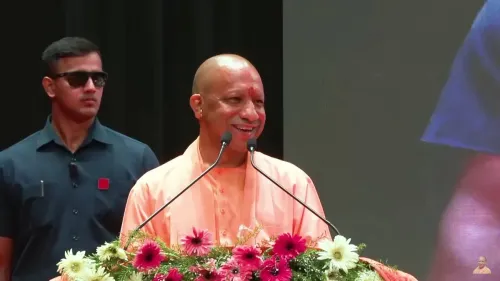
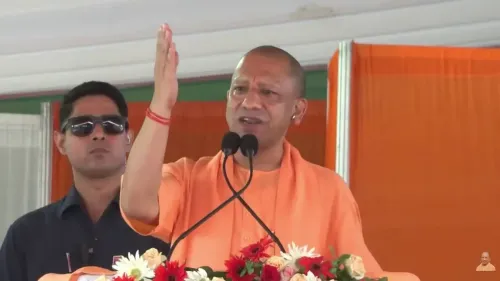
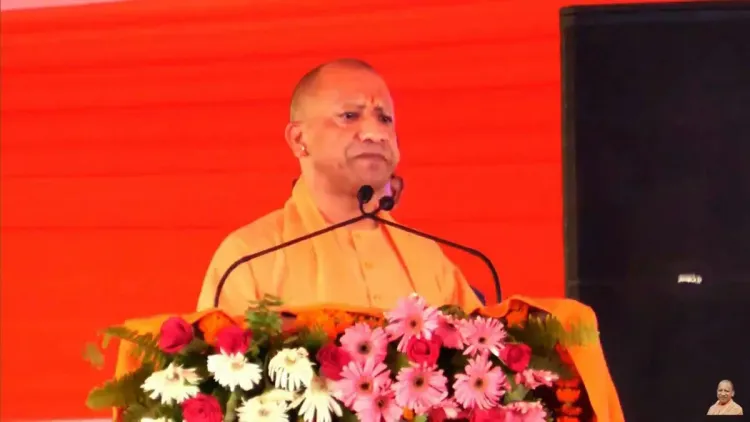
Uttar Pradesh Chief Minister Yogi Adityanath on Saturday, 25 July 2026, declared that organised exam-cheating networks are a legacy of the Indian National Congress and the Samajwadi Party, vowing their elimination as the central government prepares to table an anti-cheating bill in Parliament. He credited Prime Minister Narendra Modi with steering a Union Cabinet decision on Friday, 24 July 2026, that paves the way for the legislation, which is expected to come up for debate on Monday.
Context
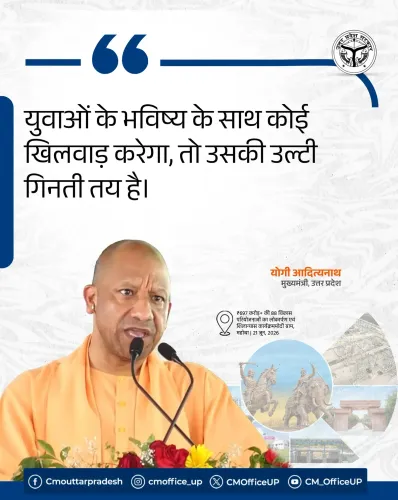
In his post, CM Yogi wrote in Hindi: 'ये नकल माफिया, कांग्रेस और समाजवादी पार्टी की विरासत हैं' — 'These exam-cheating mafias are the legacy of Congress and the Samajwadi Party.' He added that the Union Cabinet, chaired by PM Modi, took a decision on Friday, and that the bill will arrive in Parliament on Monday, warning that 'the cheating mafia will be ground to dust.' The remarks are among the sharpest public statements by a sitting chief minister linking examination irregularities directly to rival political parties.
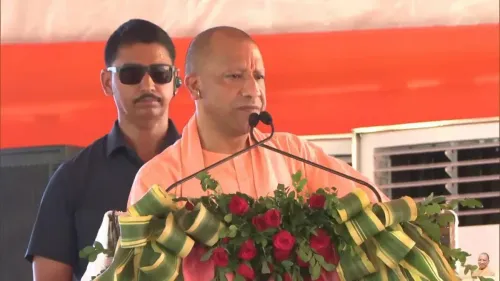
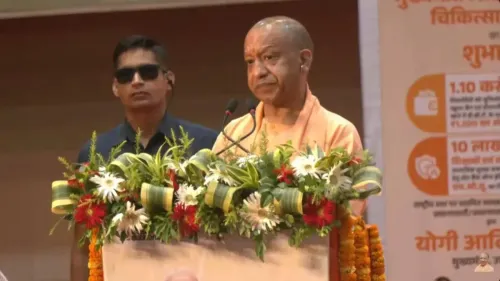
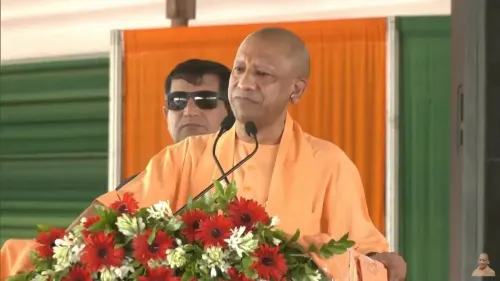
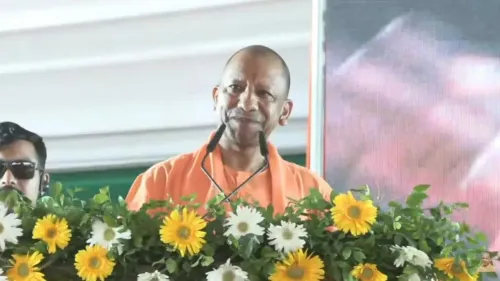
The post accompanies a video, amplifying the message to Yogi Adityanath's large social-media following. The language is pointed and political, framing a legislative move as a reckoning with entrenched networks that the BJP argues were protected under previous administrations in Uttar Pradesh and at the centre.
Policy Backdrop
The legislative push builds on a foundation the central government began laying in 2024, when Parliament enacted the Public Examinations (Prevention of Unfair Means) Act to curb paper leaks and malpractice in national-level competitive exams. That law signalled a shift from administrative circulars to hard statutory penalties for those caught running or facilitating cheating networks.
Examination irregularities have repeatedly roiled Uttar Pradesh, a state with one of the country's largest pools of competitive-exam aspirants — from recruitment to state police and teacher-eligibility tests to central government posts. Successive governments, including those led by the Samajwadi Party, faced allegations that enforcement was lax and that organised syndicates operated with impunity. The BJP has made cracking down on what it calls the 'naqal mafia' (naqal meaning 'copy' or 'cheat') a recurring political and governance commitment since coming to power in the state in 2017.
Stakeholders and Impact
The primary beneficiaries of tighter legislation are the millions of young exam aspirants across Uttar Pradesh and other states who have seen years of preparation upended by paper leaks or impersonation rackets. When examinations are cancelled or results are disputed because of malpractice, the cost falls disproportionately on first-generation students from smaller towns and rural areas who have fewer resources to re-prepare.
State education boards and central recruitment agencies such as those conducting police, railway, and teaching-eligibility tests stand to gain credibility if the proposed legislation introduces stricter penalties and faster prosecution. Opposition parties — the Samajwadi Party and Congress — are likely to contest CM Yogi's characterisation of the problem as their 'legacy' and may use Monday's parliamentary debate to demand accountability for irregularities that have also occurred under the current dispensation.
What's Next
All eyes now turn to Parliament on Monday, when the bill is expected to be introduced or taken up for debate. The specific provisions — penalty structures, definitions of organised cheating networks, and enforcement mechanisms — will determine how significant a departure it marks from the 2024 Act and existing state-level laws.
Cross-party reactions during the debate will be closely watched. If the legislation passes, its implementation in Uttar Pradesh — the state most publicly associated with the 'exam mafia' narrative — will be the first real test of whether the political rhetoric translates into structural reform for the crores of aspirants whose futures rest on the integrity of public examinations.
Point of View
But it also reflects genuine public anger over repeated exam scandals that have derailed the careers of lakhs of aspirants. The bill, if substantive, would extend the 2024 central legislation's logic further, potentially creating a more robust deterrence architecture. Whether the legislation's provisions match the combative rhetoric will be the real measure of this political moment.
NationPress
25 Jul 2026
Frequently Asked Questions
What is the anti-cheating bill Yogi Adityanath is talking about?
It refers to a bill cleared by the Union Cabinet on 24 July 2026 aimed at cracking down on organised exam-cheating networks, expected to be tabled in Parliament on Monday, 28 July 2026. Specific provisions have not yet been made public.
What did CM Yogi say about Congress and Samajwadi Party on exam mafia?
CM Yogi Adityanath stated that exam-cheating mafias are the 'legacy' of the Congress and the Samajwadi Party, implying these networks flourished under their governance in Uttar Pradesh and at the centre.
What is the Public Examinations (Prevention of Unfair Means) Act 2024?
It is a central law enacted in 2024 to penalise paper leaks and malpractice in national competitive examinations, forming the legislative foundation on which the new bill is expected to build.
How does exam malpractice affect students in Uttar Pradesh?
When examinations are cancelled or results disputed due to paper leaks or impersonation, lakhs of aspirants — many from rural and small-town backgrounds — lose years of preparation and must re-appear, causing significant financial and psychological hardship.
When will the anti-cheating bill be debated in Parliament?
According to CM Yogi Adityanath's post on 25 July 2026, the bill is scheduled to come before Parliament on Monday, 28 July 2026.