CM Yogi Reaffirms Anti-Mafia Vow and Welfare Push in UP
Synopsis
Uttar Pradesh Chief Minister Yogi Adityanath on 22 July 2026 posted on X reaffirming his government's delivery on anti-mafia operations, public welfare, and faith-based values — a message widely read as early positioning ahead of the 2027 UP assembly elections.
Key Takeaways
CM Yogi Adityanath posted on X on 22 July 2026 reaffirming his government's record of delivering on its promises.
He cited three pillars: belief in dharma, truth, and celebration ; elimination of the mafia ; and commitment to public welfare and social unity .
The anti-mafia campaign, launched after 2017 , included property demolitions and police operations against land, sand-mining, and excise syndicates in Uttar Pradesh .
The post pairs enforcement rhetoric with welfare messaging, mirroring the BJP-UP strategy used successfully in the 2022 assembly elections.
The statement is seen as early political positioning ahead of the 2027 Uttar Pradesh assembly elections .
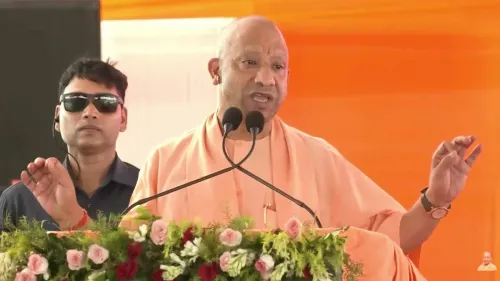
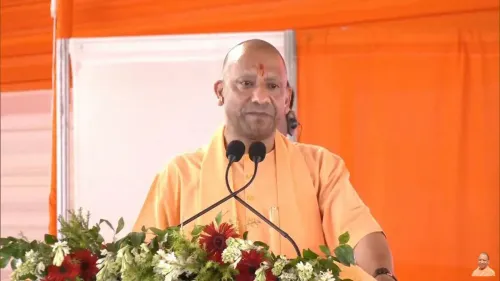
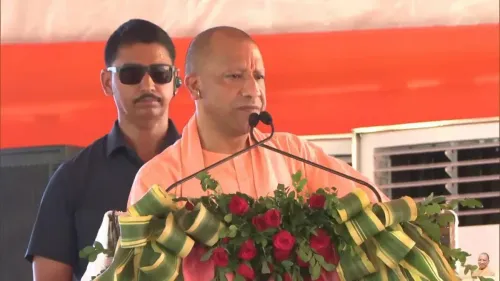
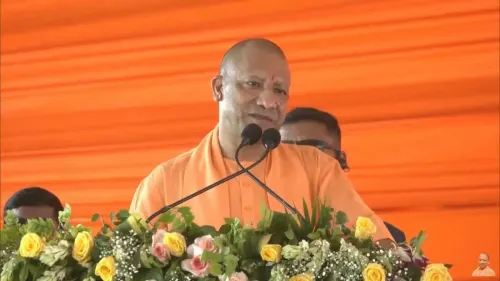
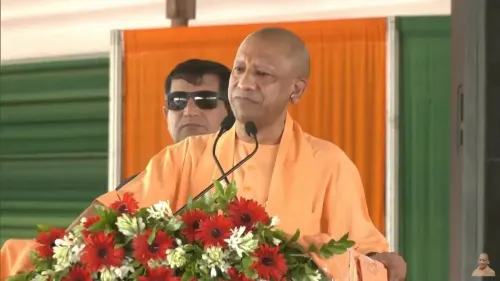
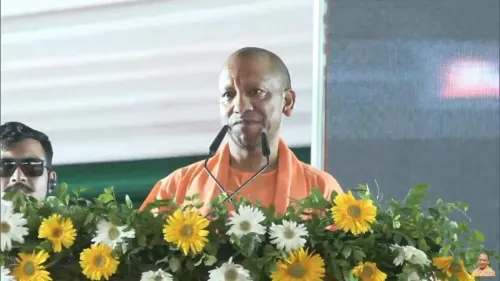
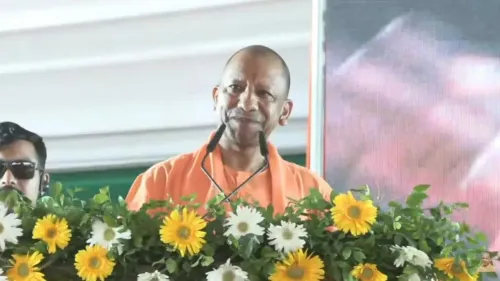
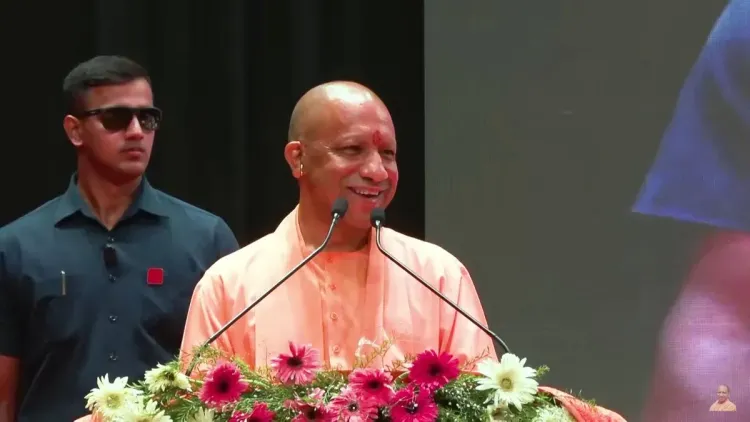
Uttar Pradesh Chief Minister Yogi Adityanath on Wednesday, 22 July 2026, took to X to reaffirm his government's core governance commitments, invoking faith, truth, public welfare, and the elimination of organised crime as the defining pillars of his administration's record.
In the post, written in Hindi, CM Yogi stated: 'हमने जो कहा, वह करके दिखाया है' ('We said it, and we have delivered on it'), before outlining three beliefs that he said define his government — faith in religion, truth, and celebration; a resolve to 'माफिया को मिट्टी में मिलाना' ('grind the mafia into the dust'); and a commitment to public welfare and social cohesion.
Context
The post distils a message that CM Yogi has consistently projected since taking office in 2017: that his government acts on its promises rather than merely making them. The phrasing 'we said it and delivered' is a direct appeal to voters who have heard repeated pledges from successive state governments and seen them falter. The accompanying video on the post is expected to elaborate on these themes visually.
The three-part formulation — dharma and celebration, anti-mafia action, and welfare delivery — is not incidental. It maps onto the three broad constituencies the Bharatiya Janata Party in Uttar Pradesh has sought to consolidate: Hindu cultural identity, citizens who bore the brunt of organised crime, and beneficiaries of state welfare schemes.
Policy Backdrop
When Yogi Adityanath first became Chief Minister, his government announced coordinated police operations against land, sand-mining, and excise syndicates — groups that had operated with relative impunity for years in Uttar Pradesh. Property demolitions linked to criminal networks and rising conviction rates were prominently cited by the BJP as proof of a 'mafia-free' policy direction ahead of the 2022 assembly elections.
The anti-mafia campaign became one of the most politically charged planks of that election cycle. The UP government's bulldozer-led demolitions of properties allegedly linked to organised crime drew both sharp criticism from civil liberties groups and strong approval from sections of the electorate that had long demanded visible enforcement. The reference to 'grinding the mafia into the dust' in the current post signals that this remains a live and deliberate messaging priority.
Stakeholders and Impact
For ordinary residents of Uttar Pradesh — India's most populous state — the dual promise of security and welfare is tangible. Communities in districts historically affected by sand-mining mafias, land encroachment, and extortion networks have seen varying degrees of enforcement action. Law enforcement agencies, including the UP Police and the Special Task Force, have been central instruments of this policy.
The reference to 'लोक-कल्याण और जोड़ने' ('public welfare and bringing people together') points to the distributive side of the government's pitch — housing, ration, and infrastructure schemes that the administration has rolled out across the state. Together, the security and welfare messaging is aimed at a broad cross-section of voters.
What's Next
With the 2027 Uttar Pradesh assembly elections moving into the political foreground, statements of this nature are likely to grow in frequency and specificity. Observers will watch for follow-up announcements on anti-encroachment drives, welfare scheme expansions, or law-and-order initiatives that give concrete shape to the rhetorical commitments made in this post. The three-pillar framing — faith, enforcement, welfare — may well become the organisational spine of the BJP-UP campaign narrative heading into the next electoral cycle.
Point of View
Coercive enforcement, and distributive welfare as an inseparable package. The timing, with the 2027 UP assembly elections approaching, suggests the BJP is beginning to lock in its core narrative early. The 'we said it and delivered' framing is a direct counter to opposition claims of unfulfilled promises, placing the burden of proof on challengers. Across BJP-ruled states, this blend of visible law-and-order action and welfare delivery has proven electorally durable, and Adityanath appears intent on running on that record rather than pivoting to new themes.
NationPress
21 Oct 2026
Frequently Asked Questions
What did CM Yogi Adityanath say on X on 22 July 2026?
CM Yogi Adityanath posted in Hindi stating that his government has delivered on every promise it made, and outlined three beliefs: faith in religion, truth, and celebration; a resolve to eliminate the mafia; and a commitment to public welfare and bringing people together.
What is Yogi Adityanath's anti-mafia campaign in Uttar Pradesh?
Since 2017, the Yogi Adityanath government has run coordinated police and administrative operations against land, sand-mining, and excise syndicates in Uttar Pradesh, including property demolitions linked to criminal networks and higher conviction drives.
Is this post related to the 2027 UP elections?
While CM Yogi did not explicitly mention elections, the post's emphasis on governance delivery and its three-pillar framing — faith, enforcement, welfare — is widely read as early political messaging ahead of the 2027 Uttar Pradesh assembly elections.
What does 'mafia ko mitti mein milana' mean?
The Hindi phrase 'mafia ko mitti mein milana' translates to 'grinding the mafia into the dust' or 'eliminating the mafia completely' — a rhetorical expression CM Yogi has used to describe his government's zero-tolerance stance against organised crime.
What is the BJP's governance record in Uttar Pradesh under Yogi Adityanath?
Under CM Yogi Adityanath, the BJP government in Uttar Pradesh has highlighted anti-mafia operations, rising conviction rates, property demolitions linked to criminal networks, and expansion of welfare and infrastructure schemes as its core achievements since 2017.