CM Yogi Backs Modi's Fast-Track Courts for Paper Leak Cases

Synopsis
Uttar Pradesh CM Yogi Adityanath on 23 July 2026 endorsed PM Modi's decision to establish fast-track courts for paper leak offences, saying the move will deliver swift and strict justice to those who compromise youth futures in New India.
Key Takeaways
CM Yogi Adityanath publicly backed PM Narendra Modi 's decision to form fast-track courts to try paper leak cases, posting his support on 23 July 2026 .
He described the move as 'the nation's decisive voice' and said it would ensure 'swift, strict and decisive punishment' for those who exploit exam systems.
The announcement builds on the Public Examinations (Prevention of Unfair Means) Act, 2024 , which Parliament passed to penalise malpractice in public exams.
Paper leaks have disrupted major national and state-level exams in recent years, triggering protests from lakhs of aspirants across India.
Key details still awaited include the number of courts to be set up, funding, and state-level follow-up legislation from Uttar Pradesh and others.
Uttar Pradesh Chief Minister Yogi Adityanath on Thursday, 23 July 2026, backed Prime Minister Narendra Modi's decision to constitute fast-track courts to try paper leak offences, calling it 'the nation's decisive voice' against a crime that has repeatedly robbed meritorious youth of their futures.
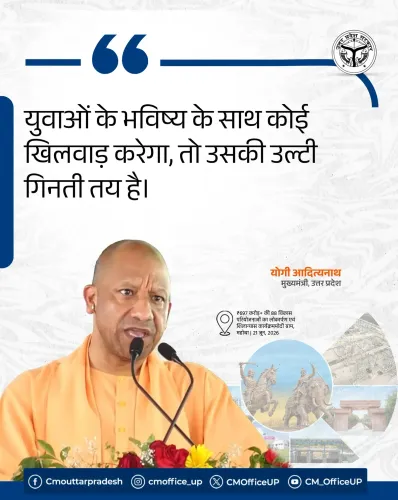
Posting in Hindi on X, CM Yogi wrote: 'आदरणीय प्रधानमंत्री श्री @narendramodi जी द्वारा पेपर लीक अपराध के विरुद्ध फास्ट ट्रैक कोर्ट्स के गठन का निर्णय राष्ट्र की निर्णायक आवाज है।' ['The decision by respected Prime Minister Shri Narendra Modi to set up fast-track courts against the crime of paper leaks is the nation's decisive voice.'] He added that in 'New India', talent would receive justice, hard work would be honoured, and those who 'play games with the futures of youth' would face 'swift, strict and decisive punishment' from the law.
Context
Paper leak scandals have repeatedly disrupted high-stakes national and state-level examinations in India, triggering widespread protests by aspirants and demands for systemic reform. Competitive exams for central government jobs, medical admissions, and state recruitment boards have all seen alleged or confirmed paper leaks in recent years, eroding public confidence in merit-based selection. CM Yogi's endorsement signals strong state-level support for the Centre's judicial intervention.Policy Backdrop
The legislative groundwork for tougher action was laid when Parliament enacted the Public Examinations (Prevention of Unfair Means) Act, 2024, which established penalties and enforcement mechanisms specifically targeting paper leaks and other malpractices in public examinations. The proposed fast-track courts, as described in the post, would be the next institutional step — moving beyond legislation to dedicated judicial infrastructure designed to deliver faster verdicts in such cases. This fits a broader pattern, since 2014, of tightening enforcement across India's education and public recruitment ecosystem.Stakeholders and Impact
The primary beneficiaries of fast-track courts would be exam aspirants — lakhs of young Indians who spend years preparing for competitive examinations, only to see results cancelled or delayed when papers are compromised. For accused individuals and organised networks behind leaks, the creation of dedicated courts signals a sharper and faster legal response than the routine criminal justice process. State governments, examination bodies, and recruitment boards would also face heightened accountability pressure to strengthen internal security protocols.What's Next
Attention will now turn to the operational details of the fast-track court framework: rollout timelines, the number of courts to be established, funding arrangements, and whether Uttar Pradesh and other states will enact complementary legislation to reinforce the central push. CM Yogi's public backing suggests Lucknow is likely to move in alignment with New Delhi on implementation. The broader test will be whether dedicated judicial infrastructure translates into convictions swift enough to act as a genuine deterrent for future paper leak attempts.Point of View
And dedicated judicial infrastructure is a visible, enforceable response to that grievance. The move also reinforces Yogi's law-and-order brand, extending it from street crime into the white-collar space of examination fraud. Whether the courts deliver on the promise of speed will ultimately determine if this becomes a durable policy win or another pledge that stalls at implementation.
NationPress
23 Jul 2026
Frequently Asked Questions
What are fast-track courts for paper leaks in India?
Fast-track courts for paper leaks are dedicated judicial bodies proposed by PM Modi to hear and decide cases of examination fraud more quickly than regular courts, aiming to deliver swift and strict punishment to those who leak or misuse exam papers.
What is the Public Examinations (Prevention of Unfair Means) Act 2024?
The Public Examinations (Prevention of Unfair Means) Act, 2024 is a central law passed by Parliament that establishes specific penalties and enforcement mechanisms against paper leaks, impersonation, and other malpractices in public examinations.
Why did CM Yogi Adityanath comment on paper leak fast-track courts?
CM Yogi Adityanath commented to publicly endorse PM Modi's decision, signalling Uttar Pradesh's support for the Centre's judicial reform and reinforcing his government's law-and-order positioning on issues affecting youth.
Which exams have been affected by paper leaks in India?
Several major examinations including national-level medical entrance tests and various state-level recruitment board exams have faced alleged or confirmed paper leak incidents in recent years, prompting demands for systemic reform.
What happens next after PM Modi's fast-track court decision for paper leaks?
The focus now shifts to rollout timelines, the number of courts to be constituted, funding arrangements, and whether states like Uttar Pradesh will pass complementary legislation to strengthen the central framework.