CM Yogi Defends UP Police Commissionerate System
Synopsis
Uttar Pradesh Chief Minister Yogi Adityanath on 17 June 2026 publicly rebuked critics of the state's Police Commissionerate System, saying those questioning the model have no understanding of police reform. The system, notified in five major UP cities since 2020, is a flagship governance initiative of the Adityanath government.
Key Takeaways
CM Yogi Adityanath posted on 17 June 2026 defending the Police Commissionerate System against critics.
He stated that those who lack knowledge of police reform are the ones 'pointing fingers' at the commissionerate model.
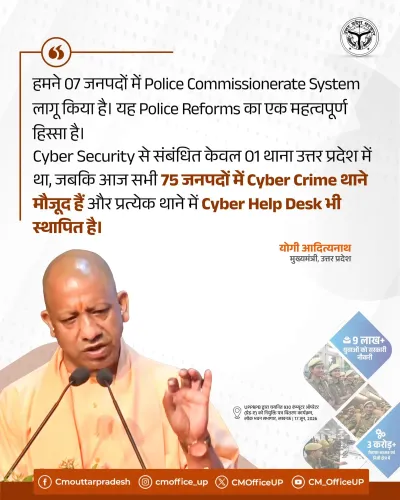
The Police Commissionerate System was first notified in Lucknow and Gautam Buddh Nagar in 2020 , later extended to Kanpur , Prayagraj , and Varanasi .
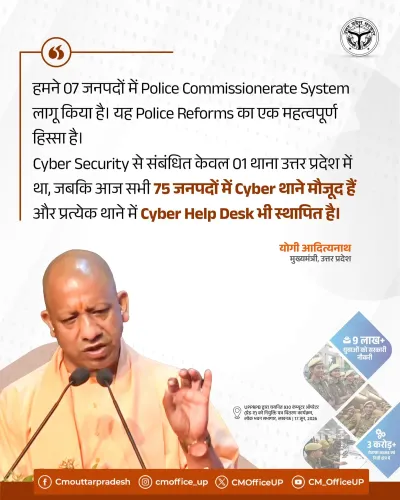
The model transfers executive magisterial powers to police commissioners, bypassing the traditional SP-DM dual-authority structure.
The post signals continued political contestation over police autonomy versus civilian oversight in urban Uttar Pradesh .
Further expansion to additional districts and potential amendments to the Uttar Pradesh Police Act remain on the policy watch-list.
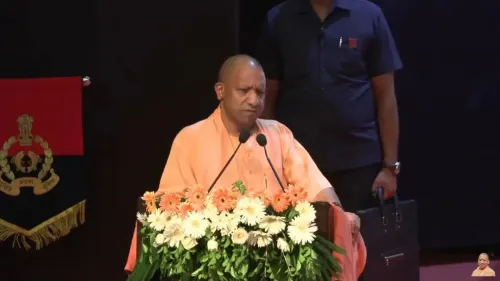
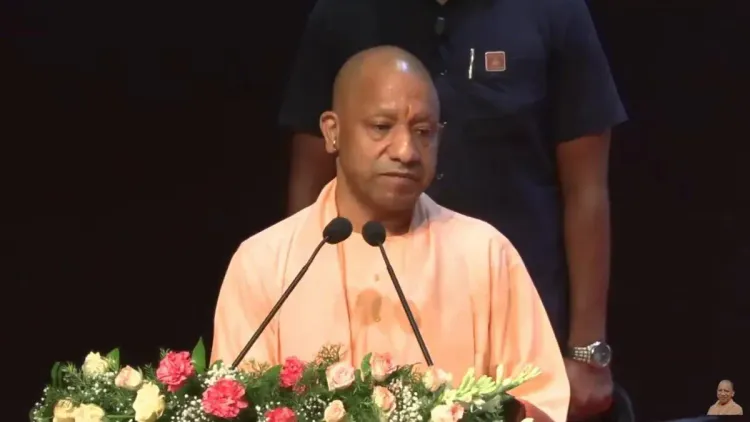
Uttar Pradesh Chief Minister Yogi Adityanath on Wednesday, 17 June 2026 defended the state's Police Commissionerate System, asserting that critics of the model lack basic knowledge of police reform. The post, shared on his official X account, was a pointed rebuttal directed at those questioning the commissionerate structure introduced across several major cities in the state.
In his post, CM Yogi wrote: 'जिनको पुलिस रिफॉर्म के बारे में जानकारी नहीं, वे पुलिस कमिश्नरेट सिस्टम पर उंगली उठाते हैं...' — translated as: 'Those who have no knowledge of police reform are the ones pointing fingers at the Police Commissionerate System.' The remark signals growing political friction over the model's expansion in Uttar Pradesh.
Context
The Police Commissionerate System vests executive magisterial powers directly with police commissioners, enabling faster operational decisions without requiring clearance from district magistrates. Uttar Pradesh notified the system for Lucknow and Gautam Buddh Nagar in 2020, subsequently extending it to Kanpur, Prayagraj, and Varanasi.
The model has been a cornerstone of the Yogi Adityanath government's law-and-order agenda since 2017, positioned as a structural upgrade to the traditional SP-DM (Superintendent of Police and District Magistrate) framework that governed urban policing for decades.
Policy Backdrop
The commissionerate model is not unique to Uttar Pradesh; several Indian states have adopted variants of it for large metropolitan cities, sparking an ongoing national debate on the balance between police operational autonomy and civilian oversight. Critics of the system have historically argued that concentrating executive magisterial powers within the police hierarchy reduces checks and balances.
Proponents, including the UP government, counter that the model reduces bureaucratic delays in responding to law-and-order situations, particularly in densely populated urban districts. CM Yogi's post reflects this sustained official narrative, framing opposition to the system as uninformed rather than principled.
Stakeholders and Impact
Urban police commissioners and their forces in cities like Lucknow, Kanpur, and Varanasi are the primary institutional beneficiaries of the expanded authority under the commissionerate model. District administration officials, whose magisterial powers are effectively reduced under this system, represent the other side of the equation.
For residents of commissionerate cities, the model's stated promise is faster police response and clearer accountability. The political contestation around it, however, suggests the reform remains contentious among opposition parties and administrative traditionalists who favour the legacy dual-authority structure.
What's Next
Observers will watch for further district-level notifications that could expand the commissionerate system to additional cities in Uttar Pradesh. Any proposed amendments to the Uttar Pradesh Police Act in an upcoming assembly session would be the next formal legislative milestone for the reform agenda.
CM Yogi's sharp public defence of the model suggests the government is prepared to escalate its political messaging on police reform, potentially ahead of further administrative restructuring announcements.
Point of View
Not merely a governance clarification — it frames opposition to the commissionerate system as ignorance rather than legitimate scrutiny, a rhetorical move designed to delegitimise critics before any formal policy debate. The timing suggests the government may be preparing another round of commissionerate expansion and is pre-emptively shaping the narrative. More broadly, the post fits a pattern in which the Adityanath administration uses direct social media messaging to defend its law-and-order record, bypassing traditional political channels. The federal dimension is equally significant: as more states debate the commissionerate model, UP's political defence of it could influence the national conversation on police reform architecture.
NationPress
16 Sept 2026
Frequently Asked Questions
What is the Police Commissionerate System in Uttar Pradesh?
The Police Commissionerate System in Uttar Pradesh vests executive magisterial powers with police commissioners in major cities, allowing them to make faster operational decisions without district magistrate approval. It was first introduced in Lucknow and Gautam Buddh Nagar in 2020.
Which cities in UP have the Police Commissionerate System?
As of available records, the Police Commissionerate System has been notified in five Uttar Pradesh cities: Lucknow, Gautam Buddh Nagar (Noida), Kanpur, Prayagraj, and Varanasi.
Why did CM Yogi Adityanath defend the commissionerate system?
CM Yogi Adityanath posted on 17 June 2026 that critics of the Police Commissionerate System lack knowledge of police reform, suggesting the model is facing political opposition that he views as uninformed.
What is the difference between the commissionerate system and the traditional SP-DM model?
Under the traditional SP-DM model, executive magisterial functions in a district are shared between the Superintendent of Police and the District Magistrate. The commissionerate system consolidates these powers under a police commissioner, reducing civilian administrative oversight over policing.
Is the Police Commissionerate System used in other Indian states?
Yes, several Indian states have adopted variants of the commissionerate model for large cities, making it a recurring subject of national debate on the balance between police autonomy and civilian oversight.