CM Yogi Expands Police Reforms: 7 Commissionerates, 75 Cyber Stations
Synopsis
Chief Minister Yogi Adityanath says Uttar Pradesh has implemented the Police Commissionerate System in seven districts and expanded Cyber Crime police stations to all 75 districts, each with a Cyber Help Desk — marking a significant step in the state's police modernisation agenda.
Key Takeaways
Seven districts in Uttar Pradesh now operate under the Police Commissionerate System , granting commissioners greater operational autonomy.
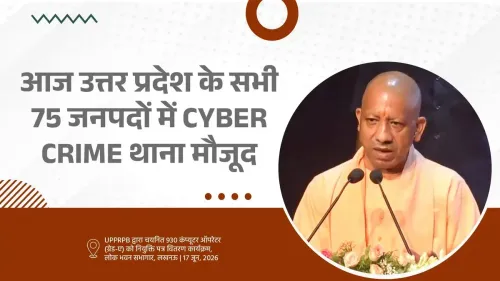
Dedicated Cyber Crime Thanas have been established in all 75 districts of the state, up from a single station previously.
Every Cyber Crime station is equipped with a Cyber Help Desk to provide first-response assistance to online crime victims.
The commissionerate rollout began with Lucknow and Gautam Buddh Nagar in 2019 following UP Police Reform Committee recommendations.
The reforms align with a broader national trend of building specialised cyber investigative capacity at the district level.
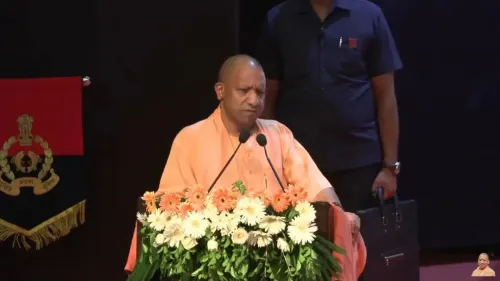
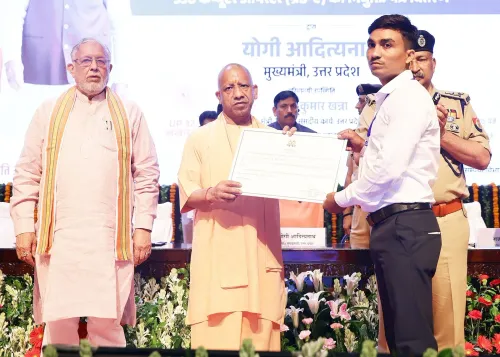
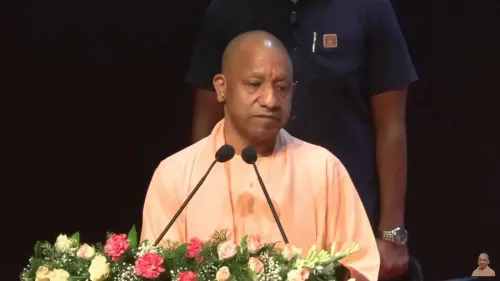
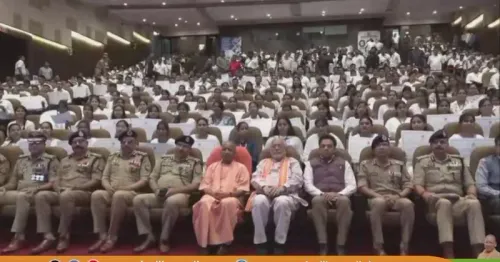
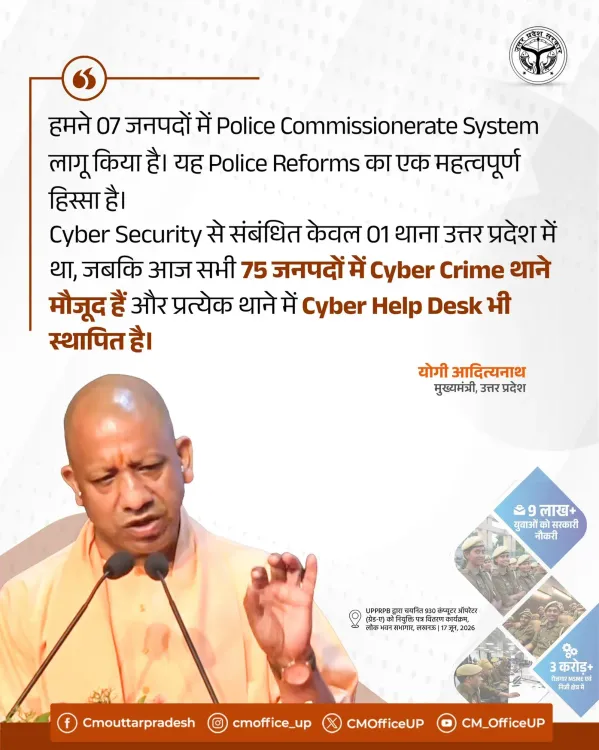
The Chief Minister's Office of Uttar Pradesh on Wednesday, 17 June 2026 shared remarks by Chief Minister Yogi Adityanath highlighting two major milestones in the state's ongoing police modernisation drive — the rollout of the Police Commissionerate System across seven districts and the expansion of dedicated Cyber Crime police stations to all 75 districts of the state.
Context
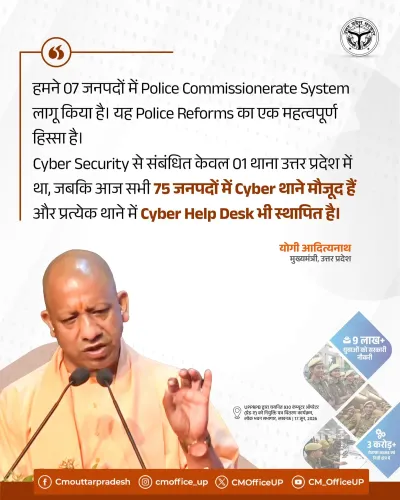
Quoting CM Yogi Adityanath directly, the post stated: 'हमने 07 जनपदों में Police Commissionerate System लागू किया है। यह Police Reforms का एक महत्वपूर्ण हिस्सा है.' — 'We have implemented the Police Commissionerate System in 07 districts. This is an important part of Police Reforms.' The statement also noted that while only one cyber-related police station existed in Uttar Pradesh previously, today all 75 districts have dedicated Cyber Crime stations, each equipped with a Cyber Help Desk.
The remarks appear to be part of a broader government communication exercise underscoring law-and-order achievements under the current administration, which has been in office since March 2017.
Policy Backdrop
The Police Commissionerate System grants commissioners greater financial and operational autonomy compared to the traditional district superintendent model, enabling faster decision-making in densely populated urban areas. Uttar Pradesh began its phased rollout with Lucknow and Gautam Buddh Nagar in 2019, following recommendations from the UP Police Reform Committee. Similar models have been operational in Maharashtra, Gujarat, and Karnataka for several years.
On the cyber front, the expansion of Cyber Crime Thanas to all 75 districts — up from a single station — reflects a nationwide trend of building dedicated investigative capacity in response to a sharp rise in online offences, a pattern accelerated by the digital surge that followed the 2020 pandemic. Each station's Cyber Help Desk is designed to provide first-response assistance to victims of online fraud, harassment, and data theft.
Stakeholders and Impact
Urban residents in the seven commissionerate districts stand to benefit from more responsive and autonomous policing, with commissioners empowered to act without the layered approvals required under the older system. Victims of cyber crime across the state — from rural tehsils to major cities — now have a dedicated local point of contact rather than being redirected to a single centralised station.
The Uttar Pradesh Police force, one of the largest state police organisations in the country, is also positioned to align its district-level cyber cells with the national Indian Cyber Crime Coordination Centre, potentially improving case turnaround and inter-agency coordination.
What's Next
Analysts and policy observers will watch whether the commissionerate model is extended beyond the current seven districts to other major urban centres in the state. The government may also deepen integration between district Cyber Crime Thanas and central agencies to tackle increasingly sophisticated online offences. The twin reforms signal that Uttar Pradesh intends to position itself as a benchmark for police modernisation among India's large states.
Point of View
A politically useful framing ahead of any electoral cycle. The leap from one cyber station to 75 is a tangible, verifiable metric that is difficult for opponents to dismiss, even if questions about staffing and caseload capacity remain open. Nationally, Uttar Pradesh is positioning itself alongside Maharashtra and Gujarat as a state that has institutionalised police reform rather than merely announced it. The next test will be whether these structural changes translate into measurable improvements in crime response times and cyber case resolution rates.
NationPress
16 Sept 2026
Frequently Asked Questions
What is the Police Commissionerate System in Uttar Pradesh?
The Police Commissionerate System grants police commissioners greater financial and operational autonomy in selected urban districts, enabling faster decision-making without the multi-layered approvals required under the traditional superintendent model. Uttar Pradesh has implemented it in seven districts.
How many Cyber Crime police stations are there in Uttar Pradesh now?
As of the announcement on 17 June 2026 , all 75 districts of Uttar Pradesh have dedicated Cyber Crime police stations, each with a Cyber Help Desk — up from just one such station previously.
What does a Cyber Help Desk do at a UP police station?
A Cyber Help Desk provides first-response assistance to victims of online offences such as fraud, harassment, and data theft, helping them register complaints and receive initial guidance at their nearest district police station.
When did Uttar Pradesh first introduce the commissionerate system?
Uttar Pradesh began the phased rollout of the Police Commissionerate System in 2019 , starting with Lucknow and Gautam Buddh Nagar , based on recommendations from the UP Police Reform Committee.
Which other Indian states have the Police Commissionerate System?
States such as Maharashtra , Gujarat , and Karnataka have operated the Police Commissionerate System for several years, and Uttar Pradesh's rollout follows a similar model of urban policing reform.