CM Yogi: Bundelkhand now a 'darshan' zone, not dacoit land
Synopsis
Chief Minister Yogi Adityanath declared on 25 July 2026 that Bundelkhand has shed its dacoit-zone identity to become a pilgrimage and tourism destination, crediting sustained anti-crime operations and infrastructure investment under his government since 2017.
Key Takeaways
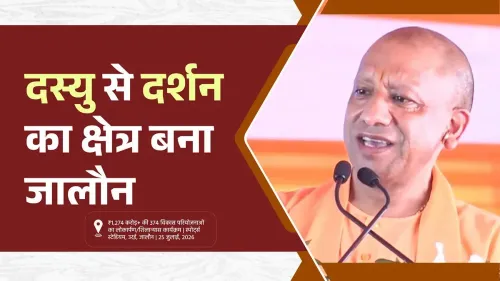
CM Yogi Adityanath stated on 25 July 2026 that Bundelkhand is now a 'darshan kshetra' (pilgrimage and sightseeing zone), not a 'daasyu kshetra' (dacoit region).
The Yogi government has conducted anti-mafia and anti-dacoit operations across central UP since 2017 , with Bundelkhand districts among the focus areas.
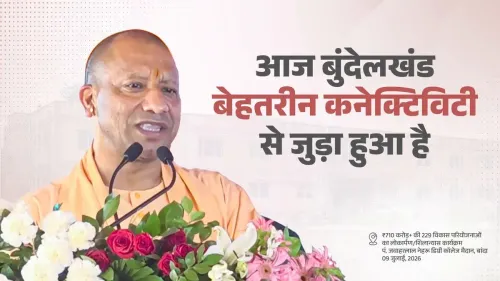
The Bundelkhand Expressway , inaugurated in 2022 , is cited as a key infrastructure enabler for tourism growth in the region.
Key heritage sites in Bundelkhand include Chitrakoot — a major pilgrimage destination linked to the exile of Lord Ram — as well as Chandela-era forts and temples.
State tourism department announcements and the next UP budget session will indicate whether the rebranding is backed by concrete fiscal allocations.
The statement carries electoral significance as the BJP seeks to consolidate its position in the Bundelkhand belt ahead of future polls.
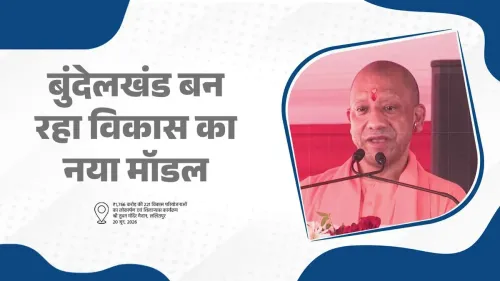
Uttar Pradesh Chief Minister Yogi Adityanath declared on Saturday, 25 July 2026 that Bundelkhand has been transformed from a region synonymous with dacoity into a destination for pilgrimage and heritage tourism, marking a significant rebranding of one of the state's historically troubled zones.
Posting on X, the Chief Minister wrote: 'Bundelkhand ab daasyu kshetra nahin, balki darshan kshetra ban gaya hai' — 'Bundelkhand is no longer a dacoit region, but has become a region of pilgrimage and sightseeing.' The statement encapsulates the state government's central argument that sustained law-and-order action has unlocked the cultural and spiritual potential of the region.
Context
Bundelkhand straddles parts of Uttar Pradesh and Madhya Pradesh and carries a long historical association with organised dacoity, immortalised in folklore and national memory through figures such as Phoolan Devi. The region is also home to significant heritage assets — ancient forts, temples, and natural landscapes — that have historically remained underdeveloped due to poor security conditions and inadequate infrastructure.
The Chief Minister's remark draws a sharp rhetorical contrast between that legacy and what his administration presents as a new security reality. The wordplay between daasyu (dacoit) and darshan (pilgrimage or sightseeing) is deliberate, framing governance gains in cultural terms that resonate with the state's predominantly Hindu electorate.
Policy Backdrop
Since taking office in 2017, the Yogi Adityanath government has conducted statewide anti-mafia and anti-dacoit operations targeting organised crime across eastern and central Uttar Pradesh. Bundelkhand districts, including Chitrakoot, Banda, and Jalaun, were among the areas subjected to intensified policing and encounter operations during this period.
The administration has simultaneously promoted Bundelkhand's heritage circuit, which includes the Chitrakoot pilgrimage site — associated with the exile of Lord Ram — as well as Chandela-era forts and temples. Improved road connectivity under the Bundelkhand Expressway, inaugurated in 2022, has also been cited by the government as a catalyst for tourism growth in the region.
Stakeholders and Impact
Residents of Bundelkhand, long stigmatised by the region's dacoit associations, stand to benefit from a rebranding that could attract investment and visitors. The tourism sector — hotels, local guides, transport operators, and artisans — is a direct beneficiary if the narrative shift translates into increased footfall at heritage sites.
Critics and opposition parties have in the past questioned the metrics used to claim law-and-order improvements, arguing that structural issues of poverty and drought in the region require more than policing. The state government's framing, however, positions security as the prerequisite that makes all other development possible.
What's Next
Attention will now turn to whether the Uttar Pradesh tourism department follows the Chief Minister's statement with concrete announcements — heritage circuit packages, budgetary allocations, or private investment summits focused on Bundelkhand. The next state budget session will be a key indicator of how seriously the government intends to back its cultural rebranding with fiscal resources.
The statement also arrives against the backdrop of electoral cycles in which the BJP has sought to consolidate gains in the Bundelkhand belt, making the tourism-and-security narrative as much a political signal as a policy claim.
Point of View
Translating policing gains into a message digestible for both voters and potential investors. It also signals that Bundelkhand is being positioned as the next major heritage-tourism corridor in the state's development pitch. Whether the rebranding holds will depend on measurable follow-through: tourist arrivals, private investment, and dedicated budget lines in the coming fiscal cycle.
NationPress
24 Oct 2026
Frequently Asked Questions
What did CM Yogi Adityanath say about Bundelkhand?
CM Yogi Adityanath stated on 25 July 2026 that Bundelkhand is no longer a dacoit region but has become a 'darshan kshetra' — a zone of pilgrimage and heritage tourism — crediting his government's anti-crime operations and infrastructure development.
Why was Bundelkhand known as a dacoit region?
Bundelkhand has a long historical association with organised dacoity, rooted in decades of poverty, drought, and weak state presence. The region was home to several notorious dacoit gangs and became embedded in national folklore as a lawless zone.
What heritage sites are in Bundelkhand?
Bundelkhand contains several significant heritage sites, including Chitrakoot — a major Hindu pilgrimage destination associated with Lord Ram's exile — as well as Chandela-era forts and temples spread across districts like Banda, Mahoba, and Jhansi.
What is the Bundelkhand Expressway?
The Bundelkhand Expressway is a major highway inaugurated in 2022 that connects the Bundelkhand region to the broader UP road network, and has been cited by the state government as a key enabler of tourism and economic activity in the area.
How has the Yogi government addressed crime in Bundelkhand?
Since 2017, the Yogi Adityanath government has conducted statewide anti-mafia and anti-dacoit operations, with Bundelkhand districts among the focus areas, involving intensified policing and targeted action against organised criminal networks.