CM Yogi Calls Disaster Vigilance a Daily Habit for UP
Synopsis
The Chief Minister's Office of Uttar Pradesh shared a statement by CM Yogi Adityanath on 19 July 2026 calling for disaster vigilance, preparedness and awareness to become integral to daily life, aiming to minimise loss of life and property during calamities.
Key Takeaways
CM Yogi Adityanath stated that vigilance, prior preparedness and awareness can minimise loss of life and property during disasters.
The message calls for disaster preparedness to become an integral part of daily life , not a seasonal or reactive measure.
Uttar Pradesh operates under its State Disaster Management Plan (2014) , coordinated by the USDMA across 75 districts.
The directive aligns with India's obligations under the Sendai Framework for Disaster Risk Reduction 2015–2030 .
The statement was issued during the active 2026 monsoon season , when flood risk is highest in the state's northern and eastern districts.
District-level monsoon review meetings and updated flood-control SOPs are expected in the weeks ahead.
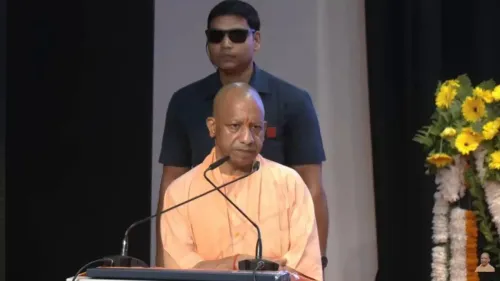
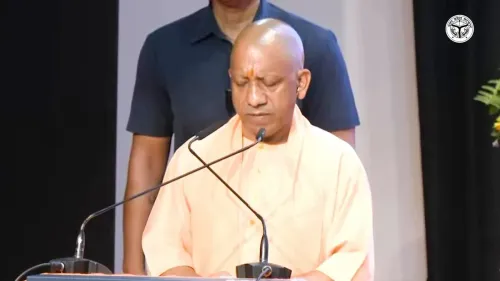
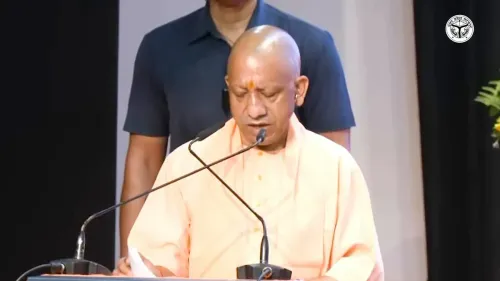
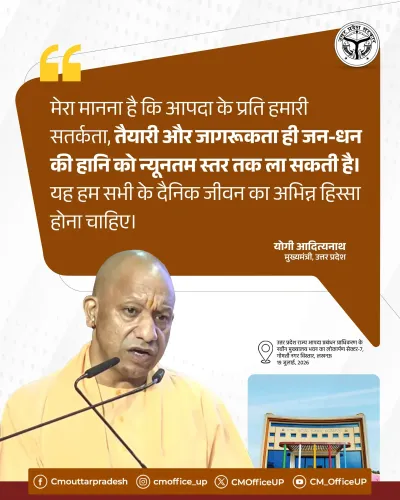
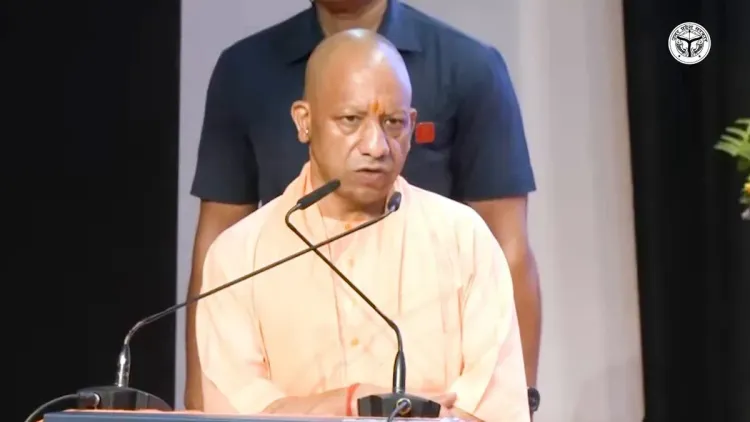
The Chief Minister's Office of Uttar Pradesh, on behalf of Chief Minister Yogi Adityanath, shared a governance directive on Sunday, 19 July 2026, urging citizens to embed disaster awareness and preparedness into their daily lives as the most effective way to minimise loss of life and property.
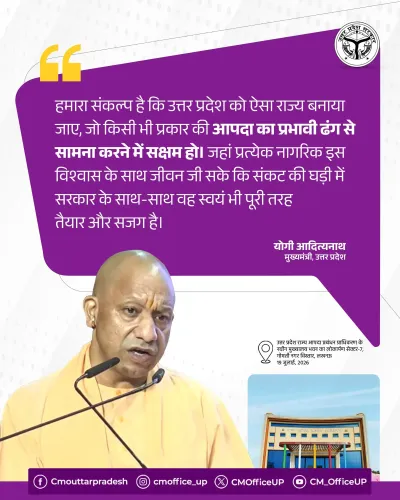
Quoting CM Yogi Adityanath, the post stated: 'Aapda ke prati hamari satarkta, poorv taiyari aur jagrukta jan-dhan ki haani ko nyuntam star tak la sakti hai. Isliye ise hamare dainik jeevan ka abhinn hissa banna chahiye.' — translated as: 'Our vigilance, prior preparedness and awareness towards disasters can bring the loss of life and property to a minimum level. Therefore, it must become an integral part of our daily lives.'
Context
Uttar Pradesh is among India's most disaster-vulnerable states, with a large population exposed to annual monsoon flooding, particularly across its northern and eastern districts bordering the Himalayan river systems. The statement, issued in mid-July, falls squarely within the active monsoon window when flood risk peaks across the Ganga-Yamuna basin. The Chief Minister's message reinforces the state's standing directive that preparedness must not remain confined to government machinery alone but must permeate community behaviour.Policy Backdrop
The institutional foundation for this emphasis dates to the National Disaster Management Act, 2005, which created a structured legal framework for disaster risk reduction across all Indian states. Uttar Pradesh followed by adopting its own State Disaster Management Plan in 2014, later revised to incorporate district-level early warning systems and response protocols. The Uttar Pradesh State Disaster Management Authority (USDMA) operates under this framework, coordinating planning and capacity-building exercises across the state's 75 districts. The CM's message also aligns with India's commitments under the Sendai Framework for Disaster Risk Reduction 2015–2030, which explicitly calls for mainstreaming disaster risk awareness into everyday life and governance at all levels. State governments have periodically issued pre-monsoon directives translating these global commitments into on-ground action.Stakeholders and Impact
The primary audience for this directive is the state's residents — particularly those in flood-prone districts along the Ghaghra, Rapti, Sharda and Ganga river corridors — as well as district administrations and emergency services personnel. For communities that face recurring inundation, the emphasis on vigilance as a 'daily habit' rather than a seasonal response has practical implications: it points toward sustained community-level awareness campaigns, regular mock drills, and keeping emergency contacts and evacuation plans current year-round. District administrations are expected to translate this directive into localised preparedness measures, including coordination with block-level officials and gram panchayats to ensure early warning dissemination reaches the last mile.What's Next
District-level monsoon review meetings are anticipated in the coming weeks, where preparedness gaps and flood-control standard operating procedures are typically assessed and updated. The CM's public statement signals that the political leadership is actively monitoring monsoon readiness and may be followed by formal administrative orders or awareness campaigns under the USDMA. As the 2026 monsoon season progresses, the effectiveness of this preparedness push will be tested across the state's most vulnerable districts.Point of View
Ground-level awareness campaigns or remains a seasonal rhetorical exercise.
NationPress
20 Jul 2026
Frequently Asked Questions
What did CM Yogi Adityanath say about disaster preparedness?
CM Yogi Adityanath said that vigilance, prior preparedness and awareness towards disasters can bring the loss of life and property to a minimum level, and that these must become an integral part of daily life.
Why is Uttar Pradesh focused on disaster preparedness in July 2026?
July falls within the active monsoon season, when flood risk peaks across UP's river-basin districts. The state issues preparedness directives annually during this period to alert both citizens and district administrations.
What is the Uttar Pradesh State Disaster Management Authority?
The USDMA is the state-level body established under the National Disaster Management Act, 2005, responsible for planning, coordination and capacity-building for natural calamities across UP's 75 districts.
What is the Sendai Framework and how does it relate to UP's disaster policy?
The Sendai Framework for Disaster Risk Reduction 2015–2030 is a global agreement that calls for mainstreaming disaster risk awareness into daily governance and community life. UP's preparedness policies are aligned with these commitments.
Which districts in Uttar Pradesh are most vulnerable to flooding?
Districts along the Ghaghra, Rapti, Sharda and Ganga river corridors — largely in northern and eastern UP — face the highest annual flood risk during the monsoon season.