CM Yogi Calls to Save India's Rivers: 'Avirla, Nirmal'
Synopsis
UP Chief Minister Yogi Adityanath issued an urgent appeal on October 4, 2026, warning that the disappearance of India's rivers would threaten all living creation and calling for them to be made free-flowing and clean.
Key Takeaways
CM Yogi Adityanath posted on X on October 4, 2026 urging conservation of India's rivers.
He warned that without life-giving rivers, all living creation faces a crisis .
He called for rivers to be made aviral (uninterrupted flow) and nirmal (clean and unpolluted).
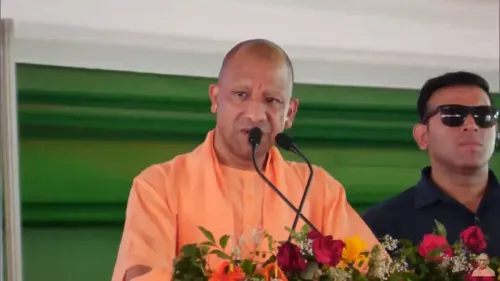
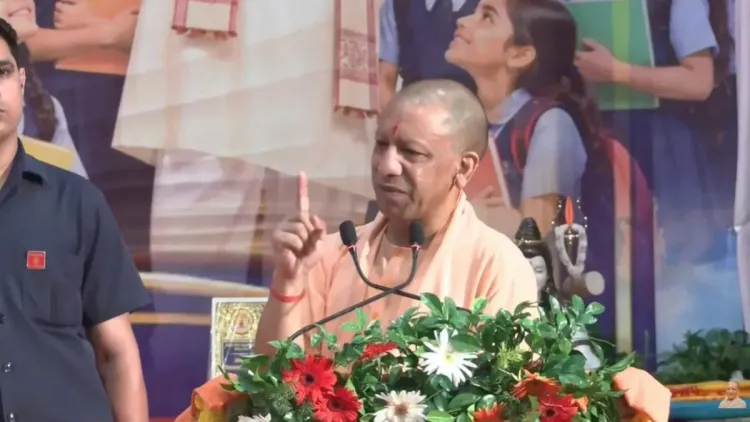
The post included a video , adding a visual dimension to the appeal.
As both a Hindu monk and Chief Minister , Yogi bridges ecological urgency with cultural-spiritual significance in river advocacy.
Uttar Pradesh is home to major rivers including the Ganga, Yamuna, Gomti, and Ghaghra , all facing pollution and encroachment pressures.
India's rivers are running out of time — and Uttar Pradesh Chief Minister Yogi Adityanath wants that fact to land like an alarm bell. On Sunday, October 4, 2026, the Chief Minister posted a pointed appeal on X, warning that if the nation's life-giving rivers cease to exist, all living creation faces a crisis.
Posting in Hindi, CM Yogi wrote: 'Jeevan daayini nadiyan nahin rahengi toh jeev-srishti ke saamne sankat khada hoga... hamen inko bachana padega, aviral aur nirmal karna padega...' — translated: 'If the life-giving rivers do not survive, a crisis will confront all living creation... we will have to save them, make them free-flowing and clean.'
Two Words That Frame a Movement: 'Aviral' and 'Nirmal'
The twin-word framework — aviral (uninterrupted flow) and nirmal (clean, unpolluted) — carries deep policy weight in the Indian river-conservation discourse. These exact terms have anchored decades of debate around the Ganga and other major rivers, framing the argument that ecological health and spiritual sanctity are inseparable from physical water quality and continuous flow. For a Chief Minister who also heads the Gorakhnath Math, a religious institution with a centuries-old relationship with the river plains of eastern Uttar Pradesh, the call is as much cultural as it is administrative.
Why the Warning Hits Hard in Uttar Pradesh
Uttar Pradesh is threaded through by some of India's most significant river systems — the Ganga, the Yamuna, the Gomti, and the Ghaghra among them. The state's agricultural economy, its pilgrimage circuits, and the daily lives of tens of millions of its residents are bound to these waterways. Pollution from industrial discharge, urban sewage, and encroachment has long threatened their continuity and cleanliness. CM Yogi's framing — that the survival of 'all living creation' is at stake — places the river question squarely in the language of existential risk, not bureaucratic routine.
The post also accompanied a video, suggesting a visual dimension to the appeal — possibly footage of a river or a related event — though the specific content of the video was not disclosed in the post metadata.
A Spiritual-Administrative Voice on an Ecological Stage
CM Yogi's dual identity as a Hindu monk and an elected administrator gives river advocacy a particular resonance when it comes from him. Rivers in India's cultural imagination are not merely hydrological assets — they are mata (mother), devi (goddess), threads of civilisational identity. Framing their conservation as a matter of survival for 'jeev-srishti' (all living creation) is a deliberate bridge between the ecological and the sacred, a language that travels far beyond policy circles.
Point of View
Built around the 'aviral-nirmal' framework, signals that river conservation remains a live political and administrative priority in Uttar Pradesh — not merely a ceremonial one. His dual authority as a religious head and a sitting Chief Minister gives the language unusual reach: it can activate both the bureaucratic machinery of the state and the moral authority of a faith tradition. The post fits a broader pattern of BJP-governed states packaging environmental messaging within a Hindu cultural idiom, making ecological urgency and civilisational identity mutually reinforcing. Whether this translates into measurable policy action — stricter industrial discharge norms, urban sewage treatment investment — is the question voters and activists will now ask.
NationPress
4 Oct 2026
Frequently Asked Questions
What did CM Yogi Adityanath say about rivers on October 4, 2026?
CM Yogi warned that if India's life-giving rivers do not survive, all living creation will face a crisis, and called for rivers to be made aviral (free-flowing) and nirmal (clean).
What do 'aviral' and 'nirmal' mean in the context of river conservation?
'Aviral' means uninterrupted, continuous flow of a river without obstruction, while 'nirmal' means the water is clean and unpolluted — two goals central to India's river rejuvenation efforts.
Which rivers in Uttar Pradesh are most affected by pollution?
The Ganga, Yamuna, Gomti, and Ghaghra are among the major rivers in Uttar Pradesh facing serious threats from industrial discharge, urban sewage, and encroachment.
Why does CM Yogi Adityanath's statement on rivers carry special weight?
As both the Chief Minister of Uttar Pradesh and the head of the Gorakhnath Math, Yogi combines administrative authority with deep spiritual credibility, making his river appeals resonate across both policy and cultural spheres.
Is river conservation a major issue in Uttar Pradesh?
Yes. Uttar Pradesh's economy, agriculture, and pilgrimage culture are deeply tied to its river systems. Pollution and shrinking water flow have been long-standing concerns affecting millions of residents.