CM Yogi Celebrates Diwali With Sanitation Workers in Ayodhya
Synopsis
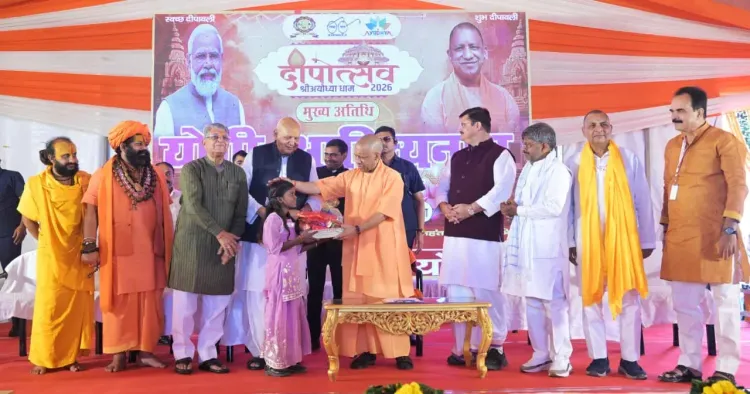
Chief Minister Yogi Adityanath visited Ayodhya's Ashok Singhal Ward on Diwali, personally distributing fruits and sweets to sanitation workers, boatmen, and Nishad community families, combining festival warmth with visible outreach to the city's frontline service communities.
Key Takeaways
CM Yogi Adityanath visited Ashok Singhal Ward in Shri Ayodhya Dham on Diwali, November 8, 2026 .
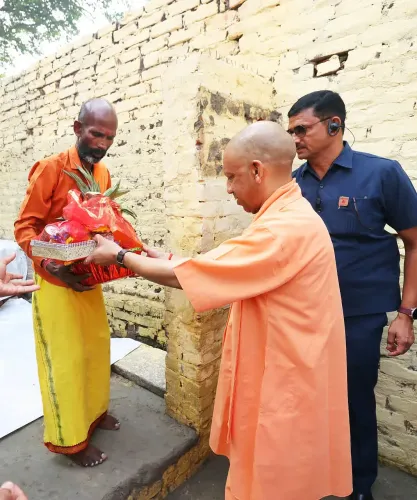
He distributed fruits and sweets to sanitation workers, boatmen, and families of the Nishad community .
The visit opened with the Sanskrit verse Lokāḥ Samastāḥ Sukhinō Bhavantu , invoking universal well-being.
The Nishad community has historical ties to the Sarayu river and plays a central role in Ayodhya's ghat life.
The ward is named after late VHP leader Ashok Singhal , a key figure in the Ram Temple movement.
Ayodhya has seen surging pilgrimage activity since the Ram Janmabhoomi temple inauguration in 2024 , increasing reliance on frontline civic workers.
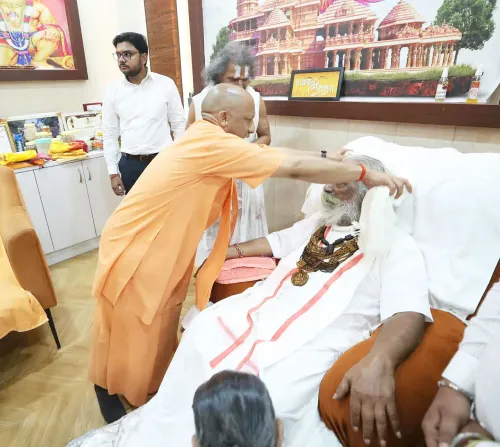
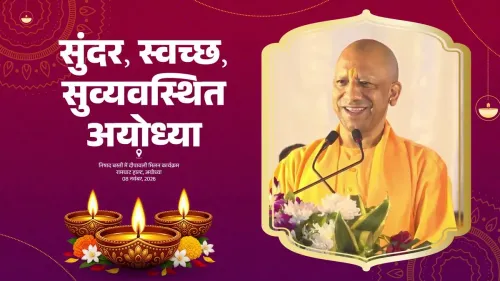
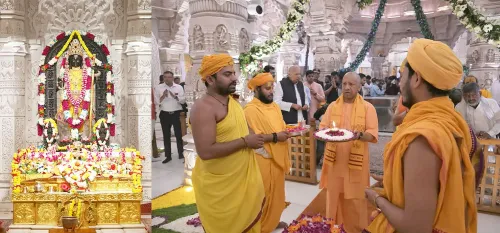
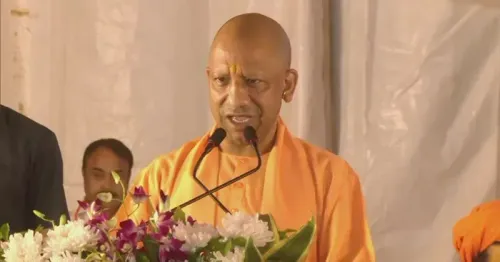
Fruits, sweets, and a shared moment of festivity — on the occasion of Diwali, Chief Minister Yogi Adityanath stepped away from the ceremonial to sit with the people who keep Ayodhya running. The Chief Minister's Office of Uttar Pradesh announced on Sunday, November 8, 2026, that CM Yogi visited the Ashok Singhal Ward in Shri Ayodhya Dham, distributing fruits and sweets to sanitation workers, boatmen, and families of the Nishad community.
The post opened with the Sanskrit verse 'Lokāḥ Samastāḥ Sukhinō Bhavantu' — 'May all beings everywhere be happy' — framing the outreach in the spirit of universal well-being that the festival traditionally embodies. The Chief Minister personally handed over fal-mishtan (fruits and sweets) and extended his heartfelt Diwali greetings to those assembled.
Who Was at Ashok Singhal Ward — and Why It Matters
The Ashok Singhal Ward is named after the late Vishva Hindu Parishad leader who was a central figure in the decades-long Ram Temple movement. That the CM chose this ward as the site of his community outreach on Diwali carries quiet but deliberate symbolism, connecting the city's sacred geography to its grassroots residents.
The Nishad community — traditional boatmen and fisherfolk with deep historical ties to the Sarayu river — has been a consistent focus of outreach by the Uttar Pradesh government. Their presence on the ghats of Ayodhya, especially during festivals, is inseparable from the city's riverine identity. Sanitation workers, meanwhile, are the invisible backbone of a city that now draws pilgrims and tourists in unprecedented numbers following the Ram Janmabhoomi temple inauguration in 2024.
Ayodhya's New Scale — and the Communities Behind It
Since the temple's consecration, Ayodhya has been repositioned as a premier religious and cultural tourism destination, with infrastructure investments and footfall both rising sharply. That transformation places enormous pressure on municipal service providers — the safai karamcharis who clean the ghats, the boatmen who ferry pilgrims across the Sarayu. Visiting them on Diwali is a gesture that acknowledges that pressure publicly.
Uttar Pradesh Chief Ministers have routinely made Ayodhya the stage for Diwali celebrations, a tradition that has grown in visibility since the temple movement culminated. This year's ward-level visit signals that the outreach is designed to feel personal, not merely ceremonial.
As Ayodhya's festive season draws to a close, the question is whether the symbolic warmth of Diwali distributions translates into concrete welfare measures for the city's riverine and sanitation communities in the months ahead.
Point of View
Anchoring the visit within the Ram Temple movement's symbolic landscape. Whether these festive touchpoints evolve into substantive welfare policy for Ayodhya's riverine and civic workers remains the more consequential question.
NationPress
8 Nov 2026
Frequently Asked Questions
Where did CM Yogi celebrate Diwali in 2026?
CM Yogi Adityanath celebrated Diwali at the Ashok Singhal Ward in Shri Ayodhya Dham , Uttar Pradesh, on November 8, 2026 .
Who is the Nishad community in Ayodhya?
The Nishad community is a traditional boatmen and fishing community in Uttar Pradesh with deep historical ties to the Sarayu river in Ayodhya, playing a vital role in ghat life and pilgrimage services.
Who was Ashok Singhal and why is a ward named after him?
Ashok Singhal was a late leader of the Vishva Hindu Parishad (VHP) who was central to the Ram Temple movement; a ward in Ayodhya has been named in his honour.
What did CM Yogi distribute to sanitation workers on Diwali?
CM Yogi distributed fruits and sweets ( fal-mishtan ) to sanitation workers, boatmen, and Nishad community families during his Diwali visit to Ayodhya.
Why does UP government focus on Ayodhya for Diwali celebrations?
Since the Ram Janmabhoomi temple inauguration in 2024 , Uttar Pradesh has promoted Ayodhya as a premier religious and cultural tourism destination, making it the symbolic centrepiece of major festivals including Diwali.