CM Yogi disburses ₹493 crore to 9 lakh UP farmers hit by floods
Synopsis
Uttar Pradesh CM Yogi Adityanath will distribute ₹493 crore in agricultural investment grants to over 9 lakh farmers whose crops were damaged by floods, hailstorms, and cyclones, via Direct Benefit Transfer from Gorakhpur on 12 October 2026.
Key Takeaways
₹493 crore in agricultural investment grants to be disbursed via Direct Benefit Transfer (DBT) on 12 October 2026 .
Over 9 lakh (900,000) farmers in Uttar Pradesh are registered as beneficiaries of this relief round.
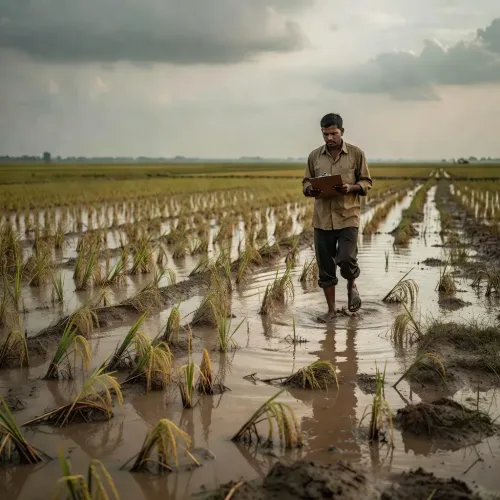
Damage covered includes losses from floods, excessive rain, hailstorms, and cyclonic storms .
The event is being held in Gorakhpur , the spiritual and administrative base of CM Yogi Adityanath as Mahant of the Gorakhnath Math.
The grants are framed as krishi nivesh anudan — farm investment subsidies — intended to help farmers finance the upcoming rabi sowing season .
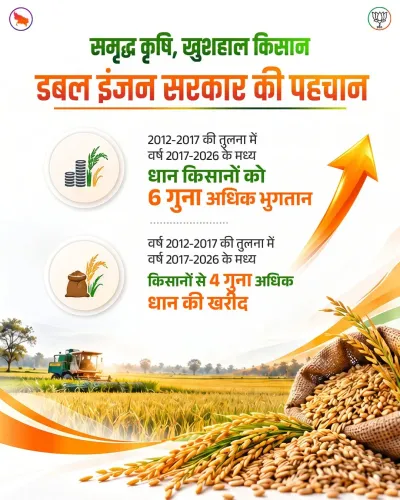
CM Yogi attributed the relief to the 'double-engine government' alignment between the state BJP administration and the central government.
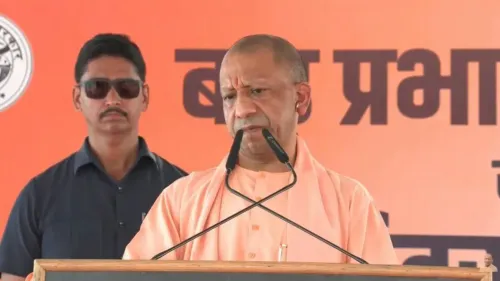
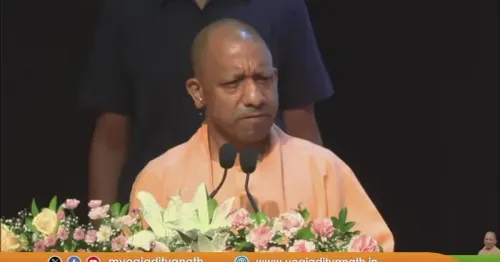
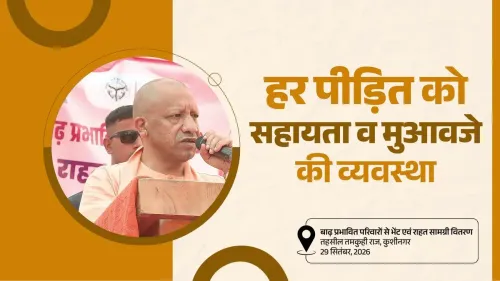
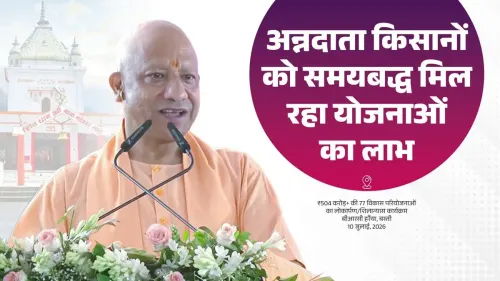
Nearly nine lakh farmers in Uttar Pradesh — their crops battered by floods, unseasonal rain, hailstorms, and cyclones — will receive direct cash relief today as Uttar Pradesh Chief Minister Yogi Adityanath distributes ₹493 crore in agricultural investment grants through Direct Benefit Transfer, with the event anchored at Gorakhpur, the seat of the ancient Gorakhnath Math.
₹493 crore flowing directly to farmers' accounts
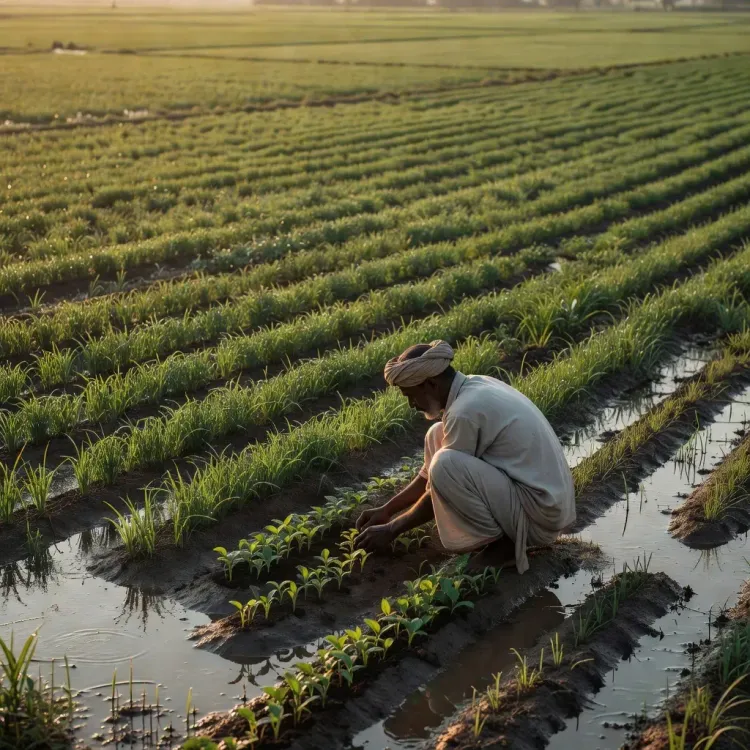
The disbursement, announced on Monday, 12 October 2026, will channel funds through the Direct Benefit Transfer (DBT) mechanism — meaning the money lands in beneficiary bank accounts without intermediaries. CM Yogi described the grants as 'krishi nivesh anudan' (agricultural investment subsidies), designed not just as emergency relief but as working capital to let farmers replant, replenish inputs, and restore productivity after the damage caused by floods, excessive rainfall, hailstorms, and cyclonic storms across the state.
In his post, the Chief Minister framed the assistance in three explicit goals: immediate relief, support to reorganise farm investments, and restoring momentum to agriculture. 'Let the annadata farmer find support in crisis, let his farming flourish again, and let prosperity return to the fields — this is the resolve of the double-engine government,' he wrote.
Gorakhpur as the symbolic and administrative launchpad
The Chief Minister chose Gorakhpur — which he described as the 'tapobhumi' (land of spiritual austerity) of Shivavtari Mahayogi Guru Gorakhnath Ji — as the venue for the launch. The Gorakhnath Math in Gorakhpur is the religious institution CM Yogi heads as its Mahant, giving the event both administrative and symbolic weight: relief flowing from a site historically associated with service to the people of eastern Uttar Pradesh.
Scale of crop damage and the 'double-engine' accountability
The phrase 'double-engine sarkar' — a BJP formulation referring to aligned governance at the state and central levels — appears explicitly in the post as the political guarantee behind the relief. With more than 9 lakh farmers registered as affected across multiple natural-disaster categories, the scale of crop damage this season spans a wide geographic swathe of Uttar Pradesh, India's most populous state and a cornerstone of national agricultural output. A timely, direct-transfer payout of this size is designed to prevent distress selling, debt spirals, and the abandonment of the rabi sowing season that typically begins in October and November.
For farmers already short on seeds and fertiliser money after losing standing crops, the grant arriving before the next sowing window could be the difference between planting and skipping the season altogether. That is the practical urgency behind the October timing.
Point of View
When farmers need liquidity most urgently after a damaged kharif season. Routing ₹493 crore through DBT directly into 9 lakh accounts is also a visible demonstration of the 'leakage-free governance' claim that has been central to BJP's administrative messaging in Uttar Pradesh since 2017. Anchoring the event in Gorakhpur — CM Yogi's own institutional base — layers personal and religious authority onto a welfare act, reinforcing his dual identity as both a state executive and a spiritual leader. With assembly consolidation always a background variable in UP politics, direct farmer payouts of this scale serve both immediate relief and longer-term political equity in a state where agricultural distress has historically swung elections.
NationPress
12 Oct 2026
Frequently Asked Questions
How much money is UP government giving to farmers as flood relief in October 2026?
The Uttar Pradesh government is distributing ₹493 crore in agricultural investment grants to over 9 lakh farmers whose crops were damaged by floods, hailstorms, excessive rain, and cyclones.
How will the ₹493 crore farmer relief reach beneficiaries in UP?
The funds will be transferred directly through the Direct Benefit Transfer (DBT) mechanism, meaning the money goes straight into the registered bank accounts of eligible farmers without any intermediary.
Why is the UP farmer relief event being held in Gorakhpur?
Gorakhpur is the base of the Gorakhnath Math , the religious institution headed by CM Yogi Adityanath as its Mahant. The city holds both administrative and symbolic importance for the Chief Minister.
What damages are covered under UP's October 2026 agricultural relief?
The relief covers crop losses caused by floods, excessive or unseasonal rainfall (ativrishti), hailstorms (olavrishti), and cyclones across Uttar Pradesh.
What does 'double-engine government' mean in the context of UP farm relief?
'Double-engine government' is a BJP term indicating that the state government (led by CM Yogi) and the central government are both BJP-led and work in coordination — used here to claim credit for the relief package as a joint outcome of aligned governance.