CM Yogi Tells 'Babur's Descendants' to Fix Their Mindset
Synopsis
Uttar Pradesh Chief Minister Yogi Adityanath publicly told those who identify as descendants of Babur to 'correct their mindset,' in a Hindi post on X on 18 July 2026. The remark continues a pattern of BJP cultural-nationalist rhetoric and is expected to draw opposition responses.
Key Takeaways
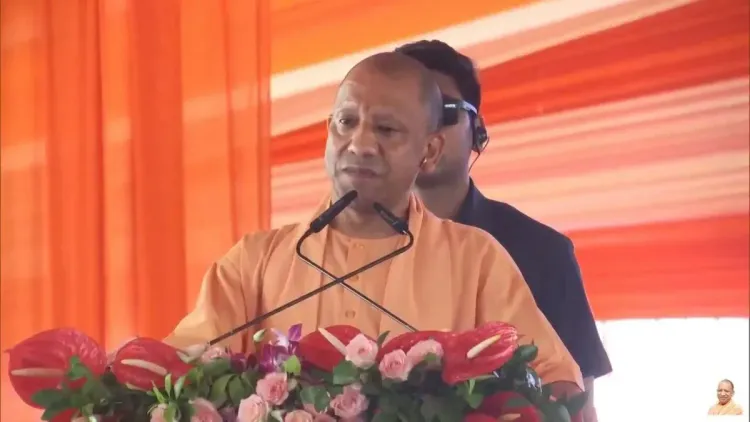
Yogi Adityanath posted on X on 18 July 2026 calling on those who consider themselves descendants of Babur to 'correct their mindset.' The statement was made in Hindi and accompanied by a video, amplifying its reach beyond text.
The remark fits a pattern of BJP-led cultural-nationalist messaging that has shaped Uttar Pradesh governance since 2017 .
In 2018 , the UP government renamed several cities and roads linked to Mughal figures as part of a broader cultural reorientation drive.
Opposition parties and Muslim community leaders are expected to formally respond to the remarks.
As Chief Minister of India's most populous state and head of the Gorakhnath Math , Yogi Adityanath's statements carry both political and religious weight.
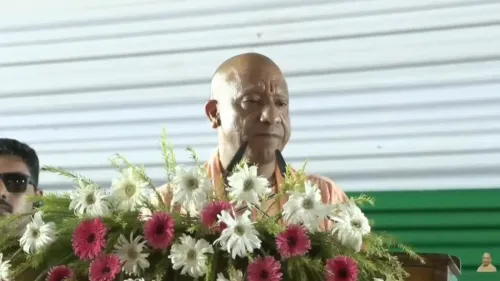
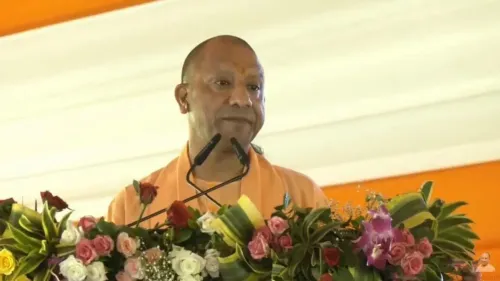
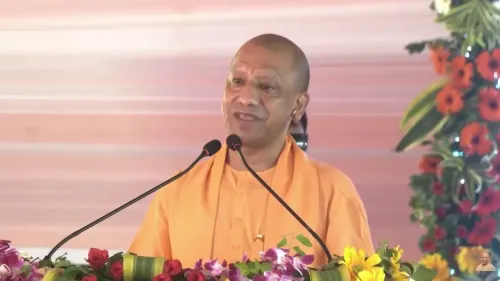
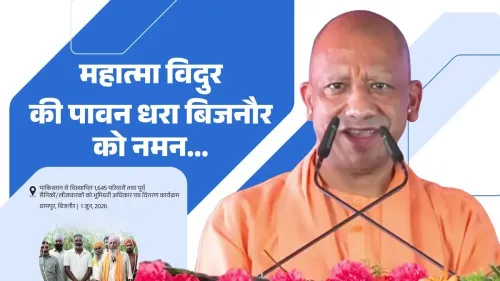
Uttar Pradesh Chief Minister Yogi Adityanath on Saturday, 18 July 2026, publicly called on those who still identify themselves as descendants of Babur — the 16th-century founder of the Mughal Empire — to 'correct their mindset,' in remarks that have drawn sharp attention across the country.
Context
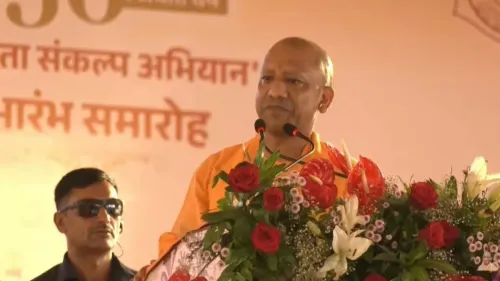
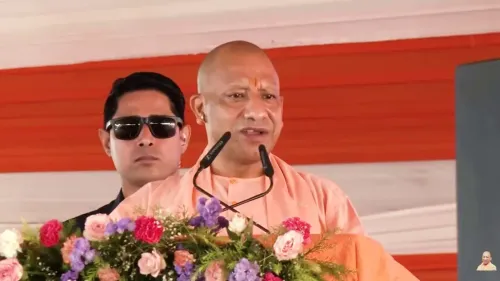
In the post shared on X, Yogi Adityanath said in Hindi: 'Jo abhi bhi apne ko Babur ki santaan samajhta hai... main un sabko kahunga ki apni maansikta durust karo' — translated: 'Those who still consider themselves descendants of Babur... I would tell all of them to correct their mindset.' The statement was accompanied by a video, the contents of which were part of the same address.
The remark is directed at a broad cultural and historical framing rather than any named individual or group. Babur founded the Mughal Empire in 1526 after the First Battle of Panipat and is a historically contentious figure in Indian political discourse, particularly in the context of the Ayodhya dispute.
Policy Backdrop
The statement fits a well-established pattern of cultural-nationalist rhetoric associated with the Bharatiya Januata Party (BJP) and its government in Uttar Pradesh. Since Yogi Adityanath assumed office in 2017, the state government has pursued a series of symbolic and administrative measures aimed at distancing public nomenclature from Mughal-era associations.
In 2018, the Uttar Pradesh government renamed several cities and roads that had carried names linked to Mughal figures, replacing them with names drawn from indigenous or Hindu cultural heritage. These moves were presented by the government as a restoration of historical identity. The broader BJP narrative since the 1980s Ayodhya movement has consistently framed Mughal-era history as a site of cultural contestation.
Calls for 'mindset correction' directed at communities perceived as holding Mughal-linked identities have appeared in BJP election campaigns and in speeches by senior leaders across northern states. Yogi Adityanath's latest remark places that rhetoric in the direct voice of a sitting Chief Minister addressing what he characterises as an unresolved identity question.
Stakeholders and Impact
The statement is likely to draw responses from multiple directions. Muslim community leaders and civil society organisations have historically objected to rhetoric that they say conflates religious identity with Mughal lineage, arguing it promotes social division. Opposition parties — including the Samajwadi Party, which is the principal challenger to the BJP in Uttar Pradesh — are expected to respond, framing the remarks as politically motivated ahead of the state's electoral cycle.
Hindu voters, particularly in the Hindi heartland, have responded favourably to such messaging in past election cycles, and the BJP has used cultural-nationalist framing as a consistent mobilisation tool. The remarks come from a Chief Minister who also heads the Gorakhnath Math, a religious institution, lending his statements a dual authority — political and religious — that amplifies their reach.
What's Next
Opposition parties are likely to demand clarification or issue formal rebuttals, and the statement may prompt debate in the Uttar Pradesh legislative assembly or in national political forums. Any follow-up administrative action — such as curriculum changes, renaming proposals, or heritage policy announcements — would indicate whether this is a standalone rhetorical moment or the opening of a fresh policy push.
With Uttar Pradesh remaining the most electorally significant state in India, remarks of this nature from its Chief Minister carry national implications, and the intensity of the political response will shape how the BJP frames cultural-identity issues in the months ahead.
Point of View
The Chief Minister places the burden of assimilation on communities associated with Mughal heritage, a rhetorical move that sidesteps policy specifics while signalling ideological direction. The remark is well-timed for a political environment in which cultural identity continues to be a primary mobilisation lever in the Hindi heartland. Whether it is followed by concrete administrative action — such as curriculum revision or further renaming — will determine whether this is electoral positioning or the start of a new governance push.
NationPress
17 Oct 2026
Frequently Asked Questions
What did Yogi Adityanath say about Babur's descendants?
On 18 July 2026 , Yogi Adityanath posted on X saying that those who still consider themselves descendants of Babur should 'correct their mindset,' in remarks made in Hindi accompanied by a video.
Who was Babur and why is he controversial in Indian politics?
Babur was the founder of the Mughal Empire, who defeated Ibrahim Lodi at the First Battle of Panipat in 1526 . He is a contentious figure in Indian political discourse, particularly because of the Ayodhya dispute, where a mosque bearing his name was at the centre of a decades-long legal and political battle.
Has Yogi Adityanath made similar remarks before?
Yes. Yogi Adityanath and other senior BJP leaders have repeatedly used cultural-nationalist framing that contrasts indigenous Indian identity with Mughal-era associations. The Uttar Pradesh government also renamed cities and roads linked to Mughal figures in 2018 .
What is the political impact of Yogi Adityanath's statement on Babur?
The remark is expected to energise Hindu voters in the Hindi heartland who respond to cultural-nationalist messaging, while drawing criticism from opposition parties and Muslim community leaders who argue such rhetoric promotes social division.
What action might follow Yogi Adityanath's remarks on Mughal identity?
Political observers are watching for follow-up measures such as changes to the school curriculum in Uttar Pradesh , further renaming of public spaces, or formal policy announcements on cultural heritage that would indicate whether the statement signals a new governance initiative.