CM Yogi Frames India-Japan Ties on Buddhist Values, Shared Growth

Synopsis
Chief Minister Yogi Adityanath framed India-Japan relations as rooted in Buddhist compassion and the middle path, calling the bilateral partnership one of Shared Growth, Shared Technology and Shared Prosperity — underscoring Uttar Pradesh's own push for Japanese investment in its industrial corridors.
Key Takeaways
CM Yogi Adityanath described India-Japan ties as grounded in Buddhist values — compassion, life discipline and the middle path.
He defined the partnership around three pillars: Shared Growth, Shared Technology and Shared Prosperity .
The India-Japan Special Strategic and Global Partnership has been active since 2006 , with a Comprehensive Economic Partnership Agreement signed in 2011 .
Uttar Pradesh — home to sacred Buddhist sites Sarnath and Kushinagar — has positioned itself as a hub for Japanese FDI in automobiles, electronics and skill development.
The statement aligns with India's broader Act East policy, which uses cultural proximity as a lever for deeper economic engagement with Japan.
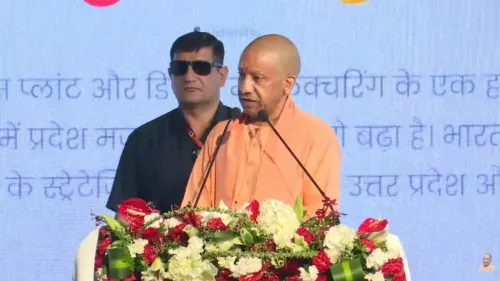
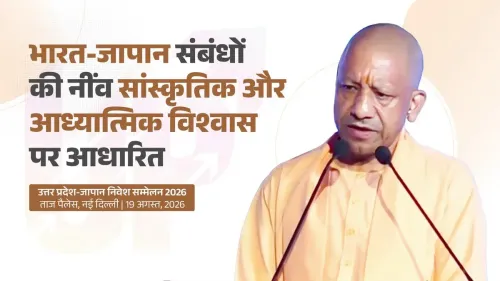
Rooted in the compassion of the Buddha and the discipline of the middle path, the bond between India and Japan runs deeper than trade agreements — and Chief Minister Yogi Adityanath invoked exactly that depth on Wednesday, 19 August 2026, framing the bilateral relationship as one built on civilisational trust before it is built on commerce.
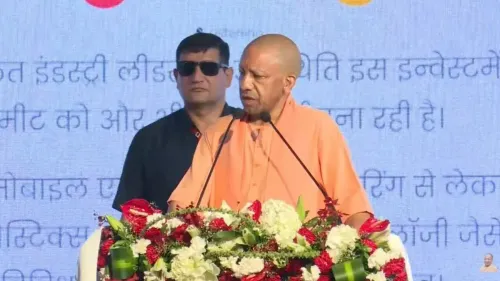
The Chief Minister's Office of Uttar Pradesh quoted Adityanath as saying: 'The relationship between India and Japan is grounded in cultural and spiritual faith — the compassion of the Buddha, the discipline of life, and the middle path are shared values of both nations. The India-Japan partnership is one of Shared Growth, Shared Technology and Shared Prosperity.'
Buddhism as the bedrock of a strategic relationship
The framing is deliberate and historically grounded. Japan is one of the world's largest Buddhist nations, and India is the land of the Buddha's enlightenment — a civilisational thread that both governments have long used as a people-to-people bridge. Adityanath, who governs the state that includes Sarnath and Kushinagar — two of Buddhism's most sacred sites — has consistently positioned Uttar Pradesh as the spiritual gateway for Japanese pilgrims, scholars and investors alike.
That soft-power argument has a hard economic edge. The India-Japan Special Strategic and Global Partnership, upgraded progressively since 2006, spans security, infrastructure, technology transfer and trade. The India-Japan Comprehensive Economic Partnership Agreement of 2011 further institutionalised investment flows, and Japanese industrial townships have emerged as a model for state-level FDI absorption across India.
Uttar Pradesh's pitch for Japanese capital
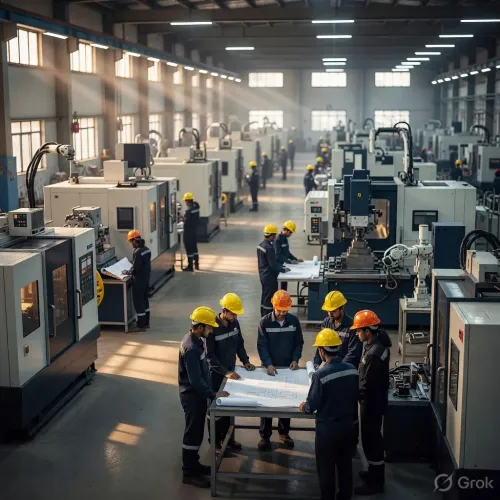
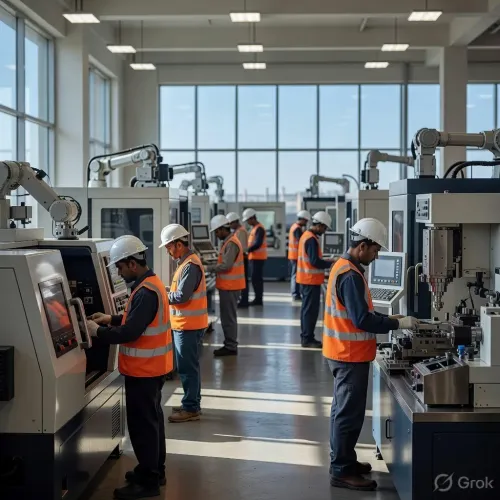
For Uttar Pradesh specifically, the stakes are concrete. The state has actively courted Japanese investment in automobiles, electronics and skill development as part of its broader industrial corridor strategy. Adityanath's government has positioned UP not merely as a recipient of central diplomacy but as a proactive player in India's Act East framework — using cultural proximity with Japan as a lever to attract manufacturing and technology partnerships.
The three-pillar formula Adityanath articulated — Shared Growth, Shared Technology and Shared Prosperity — mirrors the language of the annual India-Japan summit process, which has been institutionalised since 2006 and keeps bilateral cooperation on a structured, leadership-level track.
Why the civilisational pitch matters now
Invoking the Buddha in a foreign-policy context is not mere ceremony in this geography. It signals to Japanese counterparts that the relationship is anchored in values that predate — and will outlast — any single government or trade cycle. For a nation like Japan, where Buddhism shapes cultural identity, that register carries genuine diplomatic weight.
As India deepens its Indo-Pacific posture and UP sharpens its investment pitch, the next India-Japan annual summit and any follow-on announcements for Japanese industrial townships in the state will be the real test of whether this civilisational rhetoric converts into capital on the ground.
Point of View
While positioning Uttar Pradesh — custodian of Sarnath and Kushinagar — as an indispensable node in that relationship. This state-level foreign-policy activism fits a broader pattern of chief ministers stepping into diplomatic spaces traditionally reserved for the Centre, using cultural assets to attract investment. The 'Shared Growth, Shared Technology, Shared Prosperity' formulation also signals alignment with India's Indo-Pacific strategy, suggesting UP sees Japanese industrial townships and technology corridors as a state-level dividend of that larger geopolitical bet.
NationPress
19 Aug 2026
Frequently Asked Questions
What did CM Yogi Adityanath say about India and Japan?
CM Yogi Adityanath said the India-Japan relationship is rooted in cultural and spiritual faith — specifically the compassion of the Buddha, the discipline of life, and the middle path — and described it as a partnership of Shared Growth, Shared Technology and Shared Prosperity.
What is the India-Japan Special Strategic and Global Partnership?
It is the highest designation of the bilateral relationship between India and Japan, upgraded progressively since 2006, covering security cooperation, infrastructure investment, technology transfer and people-to-people ties.
Why does Uttar Pradesh have a special connection with Japan?
Uttar Pradesh is home to Sarnath, where the Buddha delivered his first sermon, and Kushinagar, where he attained Mahaparinirvana — two of Buddhism's holiest sites — making the state a natural cultural bridge with Buddhist-majority Japan.
What is India's Act East policy and how does UP fit in?
Act East is India's strategic framework for deeper engagement with East and Southeast Asian nations. Uttar Pradesh has leveraged it to attract Japanese FDI in automobiles, electronics and skill development through industrial corridors and Japanese industrial townships.
When was the India-Japan Comprehensive Economic Partnership Agreement signed?
The India-Japan Comprehensive Economic Partnership Agreement was signed in 2011 to expand trade and investment flows between the two countries.