CM Yogi Hails Cabinet's MSP Hike for 6 Rabi Crops for 2027-28
Synopsis
The Union Cabinet, chaired by PM Narendra Modi, approved MSP hikes for six rabi crops for marketing year 2027-28. UP CM Yogi Adityanath welcomed the move, highlighting per-quintal increases ranging from ₹25 for wheat to ₹675 for safflower, calling it a historic, farmer-friendly decision ahead of Shardiya Navratri.
Key Takeaways
The Union Cabinet approved revised MSPs for six rabi crops for the 2027-28 marketing year under PM Narendra Modi's chairmanship.
Safflower (kussum) received the largest hike at ₹675 per quintal , followed by rapeseed/mustard at ₹413 and lentils at ₹390 .
Wheat MSP was raised by ₹25 per quintal ; barley by ₹136 ; gram by ₹83 .
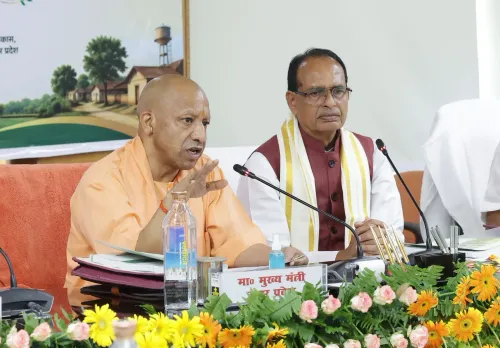
CM Yogi Adityanath called the decision 'historic' and framed it as a pre-Navratri gift to farmers.
Since 2018 , government policy mandates MSP be set at a minimum of 1.5 times the cost of production for notified crops.
Actual farmer benefit depends on state-level procurement operations when the 2027-28 season begins.
Before the harvest season even begins, the Union Cabinet has handed India's farmers a price guarantee — and Uttar Pradesh Chief Minister Yogi Adityanath wants every farmer to know it. On Wednesday, September 30, 2026, CM Yogi took to X to welcome the Cabinet's approval of revised Minimum Support Prices for six rabi crops for the 2027-28 marketing year, calling the decision 'historic' and crediting Prime Minister Narendra Modi for the farmer-friendly move.
Six crops, six increases — what farmers will pocket more
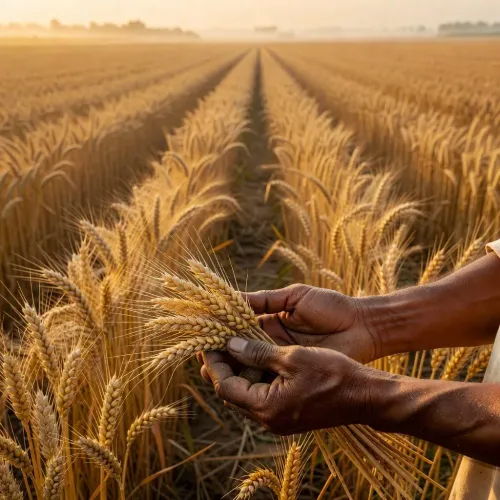
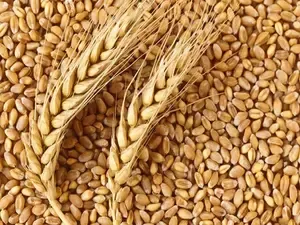
The Cabinet-approved hikes are specific and significant. Per quintal, farmers growing safflower (kussum) will receive ₹675 more, the steepest jump in the list. Rapeseed and mustard growers gain ₹413 per quintal, while lentil (masur) farmers see a ₹390 rise. Barley (jau) gets a ₹136 increase, gram (chana) a ₹83 boost, and wheat — the crop that feeds the nation's plates and the government's procurement buffers — rises by ₹25 per quintal.
CM Yogi, in his post, described the revision as ensuring farmers receive a 'full and remunerative price' for their produce. He addressed the farming community as 'annadata kisan bandhu' — providers of food, brothers in spirit — and framed the announcement as a gift to farmers ahead of the auspicious Shardiya Navratri festival.
MSP as policy architecture — the 1.5x cost-of-production pledge
The Minimum Support Price mechanism is not new, but its political and economic weight has only grown. The Commission for Agricultural Costs and Prices (CACP) recommends MSP levels each season; the Union Cabinet notifies them. Since 2018, the government has committed to fixing MSP at a minimum of 1.5 times the cost of production for notified crops — a benchmark that successive rabi and kharif revisions have been measured against.
Rabi crops are sown in winter and harvested in spring. The 2027-28 marketing year announcement, made well ahead of the sowing window, gives farmers the price signal they need before seeds go into the ground — a sequencing that farm-policy advocates have long argued is essential for rational cropping decisions.
UP's stake — and what happens when procurement begins
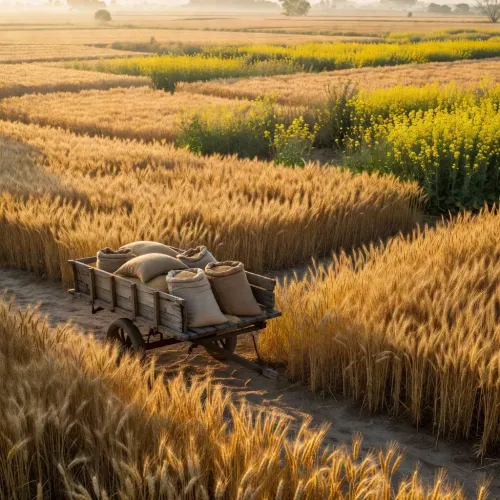
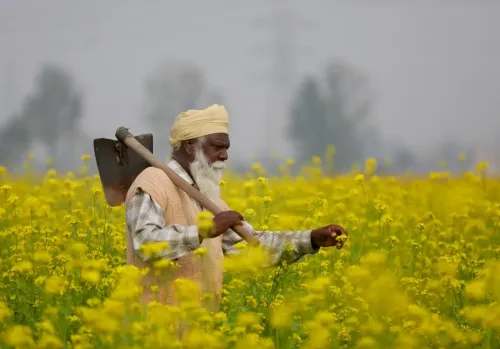
Uttar Pradesh is among India's largest producers of wheat, mustard, and lentils, making MSP revisions particularly consequential for the state's agrarian economy. CM Yogi's public endorsement signals that state machinery will be expected to align procurement operations with the revised rates when the marketing season opens.
The real test of any MSP announcement is implementation — whether government agencies actually procure at the notified price, and whether farmers in remote mandis receive the full benefit. With the 2027-28 season still months away, procurement readiness at state and district levels will be the metric to watch.
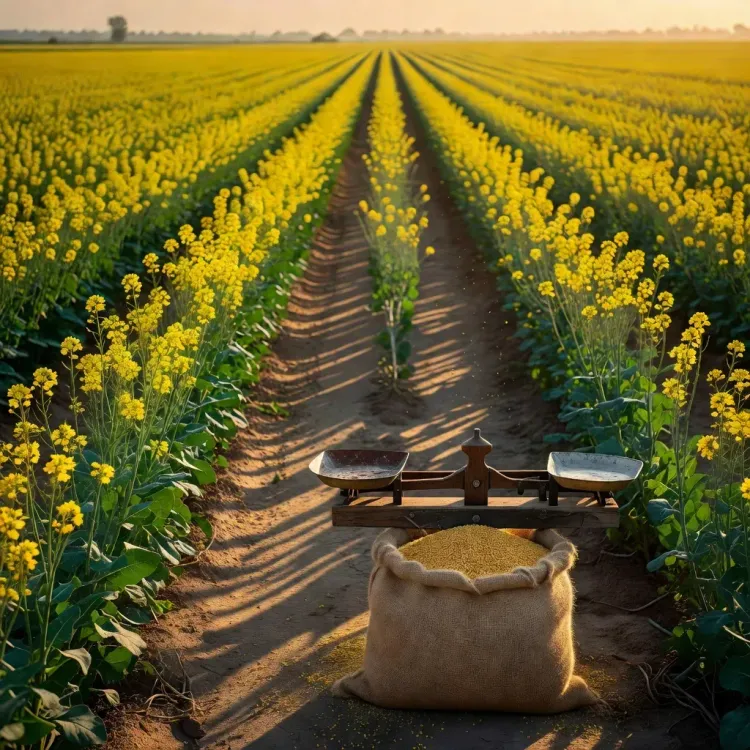
A price written in a Cabinet note becomes real only at the weighing scale in a procurement centre. That bridge — between New Delhi's approval and a farmer's bank account — is where the story of this hike will ultimately be written.
Point of View
A strategy the BJP has deployed consistently in agrarian states. For UP, where wheat and mustard dominate the rabi landscape, the hike is both a procurement signal and an electoral message. The announcement also reinforces the Centre's 2018 pledge on cost-plus MSP pricing, keeping that commitment visible ahead of what promises to be a closely watched agricultural season. Whether state procurement agencies in UP match the Cabinet's ambition in the field will define whether this hike translates into genuine income support or remains a headline number.
NationPress
30 Sept 2026
Frequently Asked Questions
What is the MSP hike for wheat in 2027-28?
The Union Cabinet approved a hike of ₹25 per quintal for wheat under the MSP for the 2027-28 marketing year.
Which rabi crop got the highest MSP increase for 2027-28?
Safflower (kussum) received the highest MSP increase of ₹675 per quintal among the six rabi crops revised for 2027-28.
What is MSP and how is it decided in India?
Minimum Support Price (MSP) is a government-guaranteed floor price for select crops, recommended by the Commission for Agricultural Costs and Prices (CACP) and approved by the Union Cabinet. Since 2018, the policy mandates MSP be at least 1.5 times the cost of production.
What did CM Yogi Adityanath say about the MSP hike?
CM Yogi Adityanath called the Cabinet's decision 'historic' and 'farmer-friendly,' saying it will ensure farmers receive a full and remunerative price for their produce. He thanked PM Modi and described it as a pre-Navratri gift to the farming community.
What is the MSP increase for mustard in 2027-28?
The MSP for rapeseed and mustard was increased by ₹413 per quintal for the 2027-28 marketing year.