CM Yogi hails ISRO's GSLV-F18 launch, NavIC constellation grows
Synopsis
Uttar Pradesh CM Yogi Adityanath praised ISRO for the successful GSLV-F18 launch carrying NVS-03, expanding India's NavIC navigation constellation and advancing the Atmanirbhar Bharat vision for strategic technology self-reliance.
Key Takeaways
ISRO successfully launched GSLV-F18 carrying navigation satellite NVS-03 on 31 October 2026 .
NVS-03 joins India's NavIC regional satellite navigation constellation, expanding its coverage and redundancy.
India's NavIC programme traces back to the 1999 Kargil conflict , when reported GPS denial prompted the country to build its own navigation system.
CM Yogi Adityanath linked the launch to PM Narendra Modi 's Atmanirbhar Bharat vision for self-reliance in critical and strategic technologies.
NavIC serves both civilian (navigation, logistics) and military (defence forces positioning) purposes across the Indian subcontinent and a roughly 1,500 km extended footprint.
Ground-segment upgrades and wider chipset adoption remain the key next steps toward full NavIC operational capability.
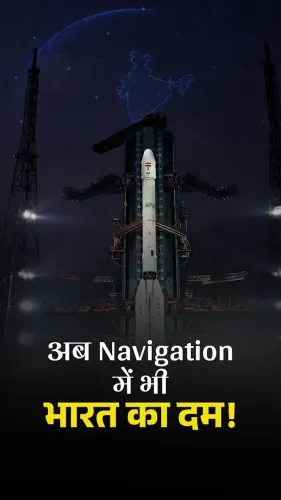
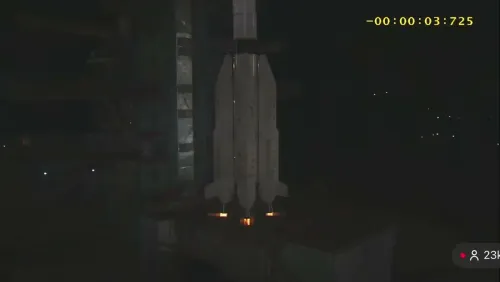
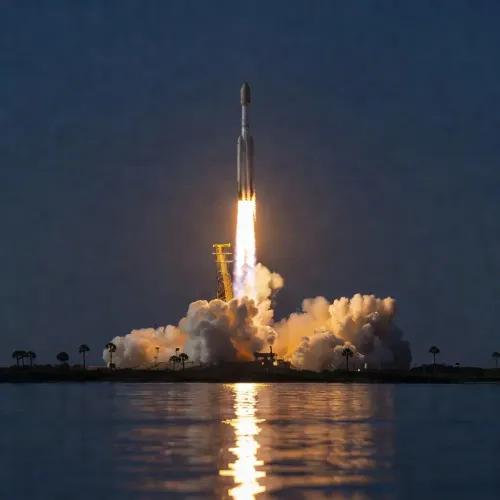
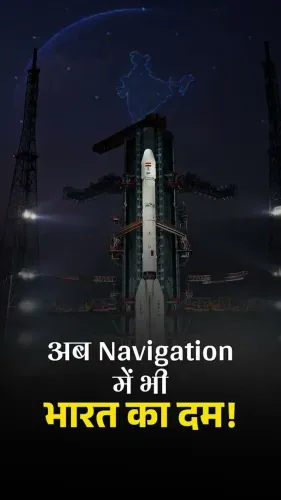
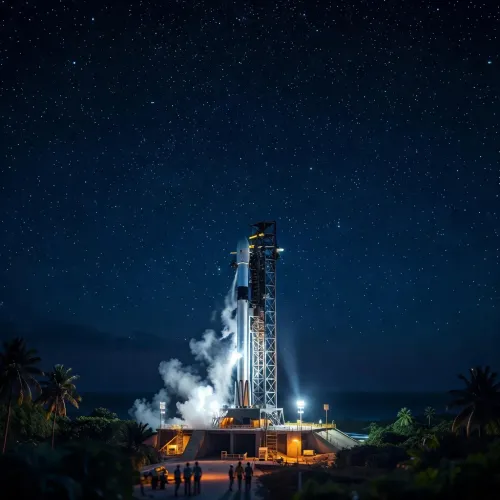
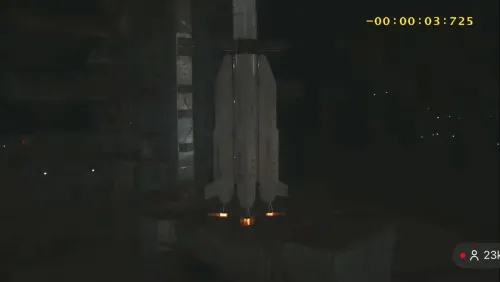
India's homegrown navigation grid just got stronger. On Saturday, 31 October 2026, Uttar Pradesh Chief Minister Yogi Adityanath congratulated ISRO scientists and engineers on the successful launch of GSLV-F18 carrying the NVS-03 navigation satellite, calling it 'another proud milestone for New India.'
NVS-03 and the NavIC constellation it joins
NVS-03 is the latest addition to NavIC — Navigation with Indian Constellation — India's indigenous regional satellite navigation system built to deliver precise positioning and timing services without dependence on foreign platforms like GPS. The mission rides on the GSLV-F18 launch vehicle, part of ISRO's workhorse family of rockets that has steadily expanded India's space launch capability over two decades.
The roots of NavIC run deep. After GPS access was reportedly restricted during the 1999 Kargil conflict, India resolved to build its own navigation architecture. The first satellite in what was then called the IRNSS programme lifted off in 2013, and successive launches have incrementally filled out the constellation ever since. NVS-03 continues that arc.
CM Yogi frames the launch inside Atmanirbhar Bharat
Chief Minister Adityanath linked the achievement directly to Prime Minister Narendra Modi's push for self-reliance in critical technologies. 'Under the visionary leadership of Hon'ble PM Shri Narendra Modi Ji,' he wrote, 'India continues to strengthen its indigenous navigation capabilities through NavIC and advance towards self-reliance in critical technologies.'
The framing is deliberate. Atmanirbhar Bharat — self-reliant India — has been the organising principle behind a wave of defence and space investments since 2020, covering everything from domestic satellite manufacturing to private launch-vehicle startups. A functioning, fully operational NavIC constellation sits at the intersection of civilian utility and strategic autonomy: it serves smartphone users and delivery fleets, but it also matters enormously to the Indian armed forces.
What a fuller NavIC means for India
NavIC currently covers the Indian subcontinent and a region extending roughly 1,500 km beyond its borders — a footprint designed for both civilian and military use. Each additional satellite improves accuracy, redundancy, and resilience. Ground-segment upgrades and wider chipset adoption by device manufacturers remain the next frontier before NavIC achieves full operational depth across civilian and defence applications.
ISRO's scientists, CM Yogi noted, 'continue to make every Indian proud.' The sentiment echoes a broader national mood around space achievements — one that has only intensified since Chandrayaan-3's landmark lunar south-pole landing. Jai Hind — long live India — was how he closed, the tricolour emoji punctuating a moment the space agency has spent years building toward.
With NVS-03 in orbit, the constellation edges closer to the full operational capability that defence planners and civilian users have been waiting for. The next question is not whether India can launch — it clearly can. It is how fast the ground infrastructure and device ecosystem can catch up.
Point of View
Reinforcing the Atmanirbhar Bharat narrative ahead of any election cycle. NavIC's expansion is strategically significant: it reduces India's dependence on US-controlled GPS, a vulnerability exposed during the 1999 Kargil conflict. Each successful NavIC launch also strengthens the case for indigenisation in defence procurement, a policy pillar Modi's government has invested heavily in. The broader pattern suggests India is methodically converting past strategic embarrassments into long-term technological leverage.
NationPress
31 Oct 2026
Frequently Asked Questions
What is the GSLV-F18 NVS-03 mission?
GSLV-F18 is an Indian Space Research Organisation launch vehicle that carried NVS-03, a navigation satellite, into orbit to expand India's NavIC regional navigation constellation.
What is NavIC and why does India need it?
NavIC, or Navigation with Indian Constellation, is India's indigenous satellite navigation system providing positioning and timing services independent of foreign systems like GPS. India began developing it after GPS access was reportedly denied during the 1999 Kargil conflict.
Why did CM Yogi Adityanath comment on the ISRO launch?
As Uttar Pradesh Chief Minister and a senior BJP leader, Yogi Adityanath congratulated ISRO scientists on the GSLV-F18 NVS-03 launch, framing it as a milestone in Prime Minister Modi's Atmanirbhar Bharat push for self-reliance in critical technologies.
How many satellites does NavIC have?
NavIC began with its first satellite in 2013 under the IRNSS programme and has grown through successive launches. NVS-03 is among the newer-generation satellites augmenting the constellation, though full operational capability depends on further launches and ground-segment upgrades.
What comes next for India's NavIC programme?
Further satellite launches, ground-segment upgrades, and wider adoption of NavIC-compatible chipsets in civilian devices and defence systems are needed before the constellation achieves full operational depth.