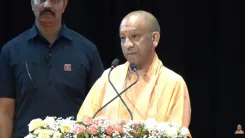
CM Yogi hands appointment letters to 1,146 revenue staff, disburses ₹215 cr to farmers
Synopsis
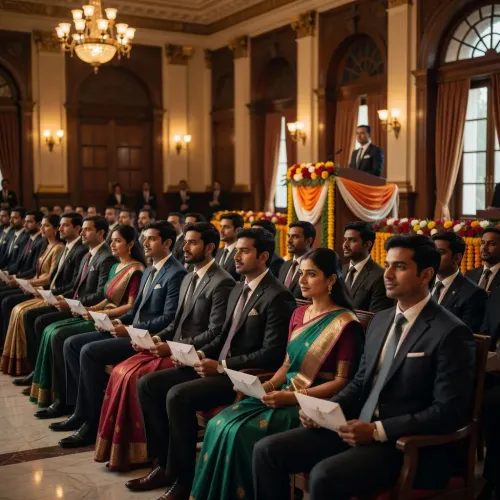
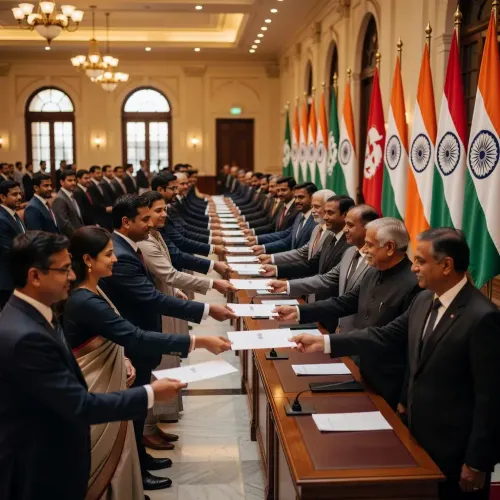
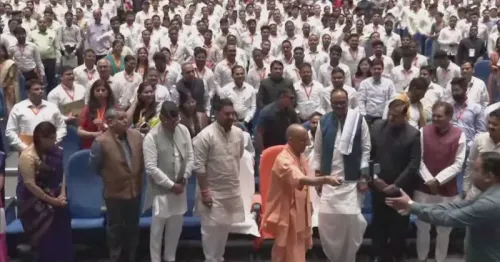
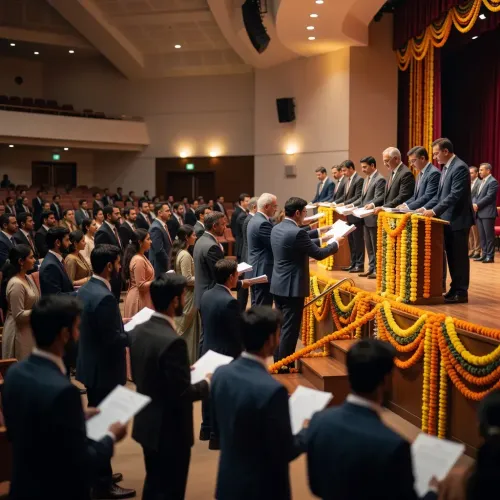
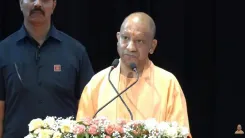
Chief Minister Yogi Adityanath distributed appointment letters to 1,146 UPSSSC-selected junior assistants for UP's Revenue Department and released ₹215 crore to farmers under the Mukhyamantri Krishak Durghatna Kalyan Yojana at a Lucknow event on 11 November 2026.
Key Takeaways
1,146 junior assistants selected by UPSSSC received appointment letters for the Uttar Pradesh Revenue Department at the Lucknow ceremony. ₹215 crore was disbursed to beneficiaries under the Mukhyamantri Krishak Durghatna Kalyan Yojana , which supports farmers and families affected by accidental death or disability.
The event was held in Lucknow on 11 November 2026 and presided over by Chief Minister Yogi Adityanath .
The UP government has used combined recruitment-cum-disbursement events since 2017 to publicly demonstrate delivery on both employment and welfare fronts.
The Revenue Department induction is aimed at reducing pendency in land records and administrative functions across UP's 75-plus districts .
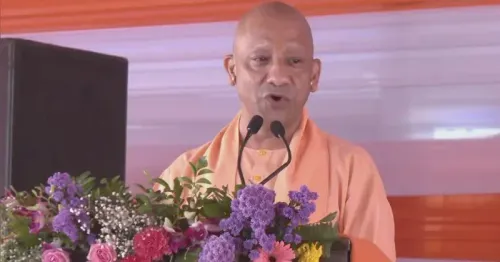
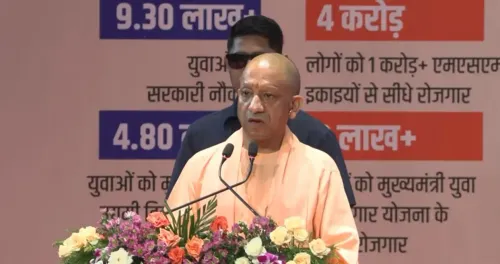
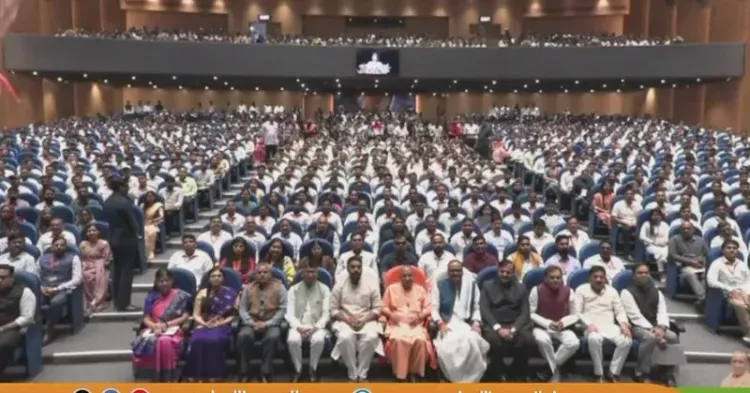
In a single Lucknow ceremony on Wednesday, 11 November 2026, Uttar Pradesh Chief Minister Yogi Adityanath collapsed two acts of governance into one public moment: handing appointment letters to 1,146 newly selected junior assistants for the state's Revenue Department and releasing ₹215 crore in welfare aid to accident-affected farmers — a twin signal that the administration intends to fill administrative vacancies and reach rural households at the same pace.
1,146 junior assistants enter UP's revenue machinery
The recruits were selected by the Uttar Pradesh Subordinate Services Selection Commission (UPSSSC), the state body that runs competitive examinations for subordinate government posts. The Revenue Department manages land records, tenancy disputes, and agricultural administration across Uttar Pradesh's more than 75 districts — functions that touch crores of farmers and smallholders directly. Fresh induction at this scale is meant to reduce the backlog of pending revenue cases and speed up record updates that underpin land ownership and credit access in rural UP.
Since 2017, the Adityanath administration has conducted multiple UPSSSC drives to plug vacancies across departments, framing recruitment as a governance-delivery tool rather than a periodic bureaucratic exercise. Handing letters at a public event — rather than dispatching them by post — is a deliberate optics choice: the state wants recruits, their families, and the broader public to associate the moment with the Chief Minister's office.
₹215 crore flows to farmers under Krishak Durghatna Kalyan Yojana
The second half of the ceremony centred on the Mukhyamantri Krishak Durghatna Kalyan Yojana, a UP government scheme that provides financial compensation to farmers or their families when accidental death or permanent disability strikes. The ₹215 crore disbursed on Wednesday represents accumulated benefit transfers to beneficiaries whose claims had been processed under the scheme's eligibility criteria.
Farming in Uttar Pradesh — India's most populous state and one of its largest agricultural economies — carries persistent occupational hazards: machinery accidents, falls, electrocution from irrigation equipment, and road mishaps during produce transport. The scheme is designed to ensure that a single such accident does not collapse a household's economic foundation. By routing the payout through a high-visibility event, the government also reinforces awareness of the scheme among farmers who may not yet have registered.
Governance by simultaneous delivery
The pairing of a recruitment event with a welfare disbursement in one programme is characteristic of how the Adityanath government has staged public functions in recent years. The logic is straightforward: one audience — job aspirants and their families — witnesses the state fulfilling promises on employment; a second audience — farmer-beneficiaries and their kin — sees direct cash relief arrive. Both narratives run on the same stage, amplifying reach without doubling administrative cost.
For a state with over 22 crore people, the optics of accountability — appointments made, rupees transferred, names called — carry weight heading into cycles of local governance reviews and eventual electoral calendars.
The question now is whether the cadre of 1,146 junior assistants can be deployed fast enough to make a measurable dent in revenue-record pendency, and how quickly subsequent UPSSSC notifications will follow to address the larger vacancy picture across other departments.
Point of View
The Adityanath administration is executing a well-worn but effective political playbook: tangible, nameable beneficiaries replace abstract policy promises. The recruitment of 1,146 revenue staff through UPSSSC deepens the state's pattern — running since 2017 — of using competitive examinations to fill vacancies that had long been used to critique governance quality in UP. Pairing it with a ₹215 crore disbursement to accident-hit farm families extends the message to rural constituencies where agricultural distress remains a live political variable. Together, the optics position the government as one that both builds institutions and delivers welfare — a dual legitimacy claim that is central to the BJP's UP strategy ahead of future electoral cycles.
NationPress
11 Nov 2026
Frequently Asked Questions
What is the Mukhyamantri Krishak Durghatna Kalyan Yojana?
It is a Uttar Pradesh government welfare scheme that provides financial compensation to farmers or their families in cases of accidental death or permanent disability, helping households avoid economic collapse after a sudden tragedy.
What is UPSSSC and how does it recruit?
UPSSSC — the Uttar Pradesh Subordinate Services Selection Commission — is the state body that conducts competitive written examinations and selects candidates for subordinate government posts across various UP departments, including the Revenue Department.
How many junior assistants were appointed in this event?
A total of 1,146 junior assistants selected by UPSSSC for the Revenue Department received their appointment letters at the Lucknow ceremony on 11 November 2026.
How much money was distributed to farmers under the accident welfare scheme?
Chief Minister Yogi Adityanath disbursed ₹215 crore to beneficiaries of the Mukhyamantri Krishak Durghatna Kalyan Yojana at the Lucknow event.
Why does the UP Revenue Department need new junior assistants?
The Revenue Department handles land records, tenancy matters, and agricultural administration across UP's 75-plus districts. Fresh recruits are intended to reduce the backlog of pending revenue cases and speed up land-record updates that affect credit access and ownership rights for millions of farmers.