CM Yogi Holds Janata Darshan in Lucknow, Directs Officials
Synopsis
Chief Minister Yogi Adityanath held a Janata Darshan session at his Lucknow residence on 7 July 2026, hearing grievances from citizens across Uttar Pradesh and directing officials for transparent, time-bound resolution — continuing a governance practice institutionalised since 2017.
Key Takeaways
CM Yogi Adityanath conducted a Janata Darshan at his official residence in Lucknow on 7 July 2026 .
Citizens from multiple districts across Uttar Pradesh attended to present their grievances directly to the Chief Minister.
Officials were issued directives for effective, transparent, and time-bound resolution of complaints.
The programme has been a recurring governance feature since CM Yogi first took office in March 2017 .
The format is designed to reduce bureaucratic layers and create direct accountability between the Chief Minister's office and district administration.
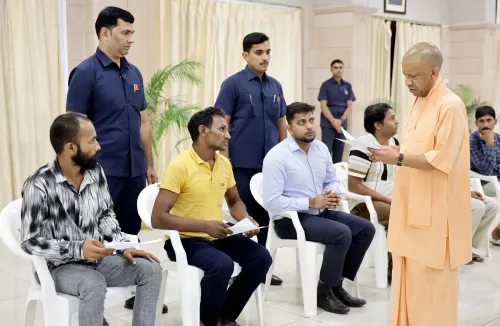
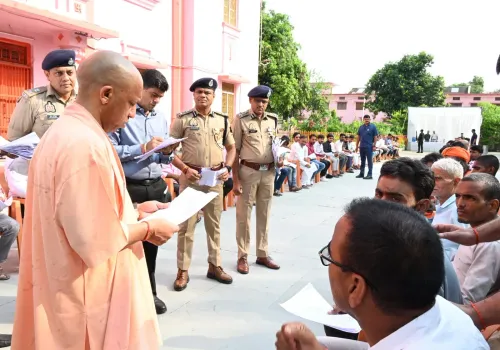
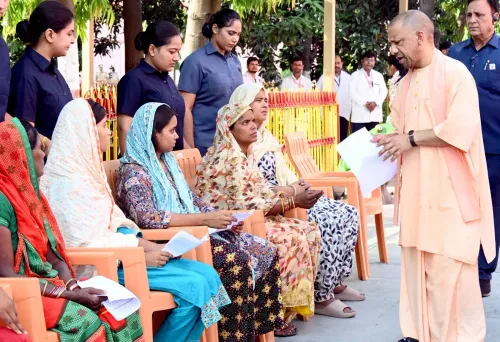
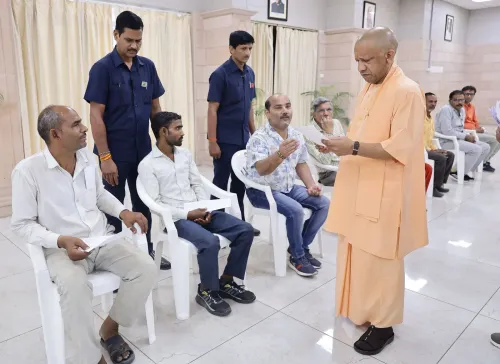
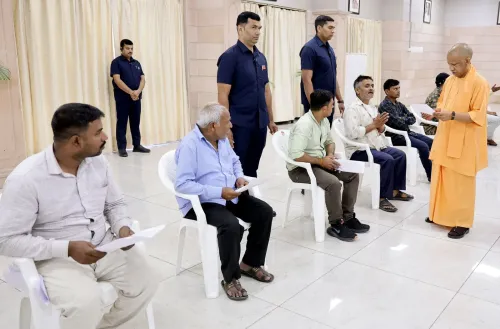
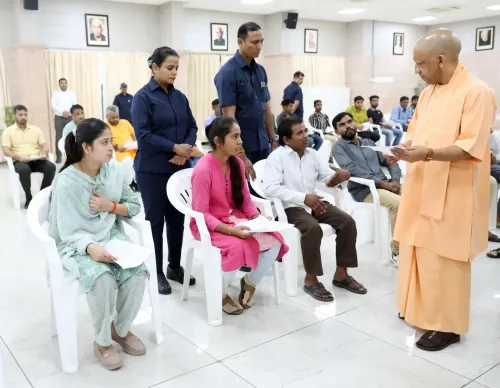
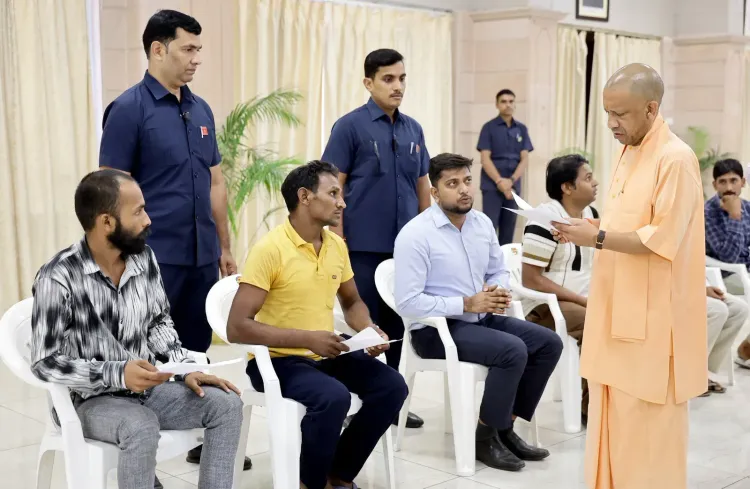
The Chief Minister's Office of Uttar Pradesh announced on Monday, 7 July 2026, that Chief Minister Yogi Adityanath held a Janata Darshan session at his official residence in Lucknow, listening to grievances brought by citizens from several districts across the state and issuing directives to officials for their resolution.
The post, shared in Hindi, described the event as a journey 'जनसमर्पण से जनकल्याण तक' ('from public dedication to public welfare'), underscoring the administration's framing of direct citizen engagement as a foundational governance commitment.
Context
Janata Darshan is a periodic public grievance-hearing programme conducted at the Chief Minister's official residence in Lucknow. Citizens from districts across Uttar Pradesh travel to the capital to present their complaints directly to the Chief Minister or his representatives, bypassing multiple layers of district bureaucracy.
The format is designed to give ordinary residents a direct channel to the state's highest executive office, reinforcing the administration's stated emphasis on accessibility and accountability.
Policy Backdrop
Since taking office in March 2017, CM Yogi Adityanath has institutionalised Janata Darshan as a recurring feature of Uttar Pradesh's governance model. The programme builds on earlier public-hearing traditions in the state while adding an explicit mandate for transparent, time-bound redressal — officials who receive instructions during these sessions are expected to act within defined timelines.
Uttar Pradesh, India's most populous state, presents a significant administrative challenge: grievances range from land disputes and pension delays to law-and-order complaints, and the sheer volume of petitioners makes structured redressal mechanisms essential. The Janata Darshan model attempts to address this by creating a high-visibility accountability moment at the top of the executive chain.
Stakeholders and Impact
The primary beneficiaries are common citizens — particularly those from smaller districts who may have found their complaints stalled at the tehsil or district level. By bringing their cases directly to the Chief Minister's residence, petitioners gain both visibility and a formal record of the directive issued on their behalf.
District and departmental officials are the other key stakeholders: instructions issued at Janata Darshan carry the weight of the Chief Minister's office, creating a direct accountability link that bypasses intermediate tiers. Similar direct-interaction formats have been adopted by several other state governments across India to project responsive governance and reduce bureaucratic friction in complaint handling.
What's Next
The broader measure of the session's impact will lie in follow-up action: whether grievances logged on Monday, 7 July 2026 translate into verifiable resolutions within the timelines directed by the Chief Minister. The state's online grievance-tracking portals are expected to log the directives issued, providing a paper trail that civil society groups and citizens can monitor.
With Janata Darshan now an established institutional fixture, each session also serves as a political signal — reinforcing the image of a Chief Minister who remains directly reachable to the people of Uttar Pradesh, even as the state's administrative machinery scales up.
Point of View
The administration has made direct public access a defining feature of its political identity in Uttar Pradesh. The practice also functions as a pressure valve on district bureaucracies, since a directive issued at the CM's residence carries far greater urgency than a routine file noting. The real test, however, lies in the disposal rates and whether the state's tracking systems translate these high-visibility directives into on-ground outcomes.
NationPress
6 Jul 2026
Frequently Asked Questions
What is Janata Darshan in Uttar Pradesh?
Janata Darshan is a periodic public grievance-hearing session held at the Chief Minister's official residence in Lucknow, where citizens from across Uttar Pradesh can present their complaints directly to Chief Minister Yogi Adityanath, who then issues directives to officials for resolution.
When did CM Yogi hold the latest Janata Darshan?
CM Yogi Adityanath held the latest Janata Darshan on Monday, 7 July 2026 , at his official residence in Lucknow.
Who can attend Janata Darshan in Uttar Pradesh?
Any citizen from any district of Uttar Pradesh can attend Janata Darshan. The session is open to ordinary residents who wish to bring grievances — ranging from land disputes to administrative complaints — directly to the Chief Minister's office.
How long has CM Yogi been holding Janata Darshan sessions?
CM Yogi Adityanath has been holding Janata Darshan sessions since he first assumed office in March 2017 , making it a consistent feature of his administration's governance model for nearly a decade.
How are grievances resolved after Janata Darshan?
After a Janata Darshan session, officials receive direct instructions from the Chief Minister's office for time-bound and transparent resolution. The state's online grievance-tracking portals are used to log and monitor the status of directives issued during the session.