CM Yogi pays tribute to Uda Devi Pasi in Mathura
Synopsis
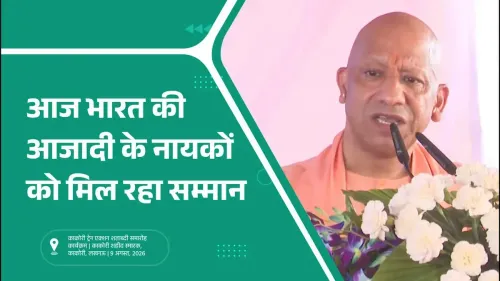
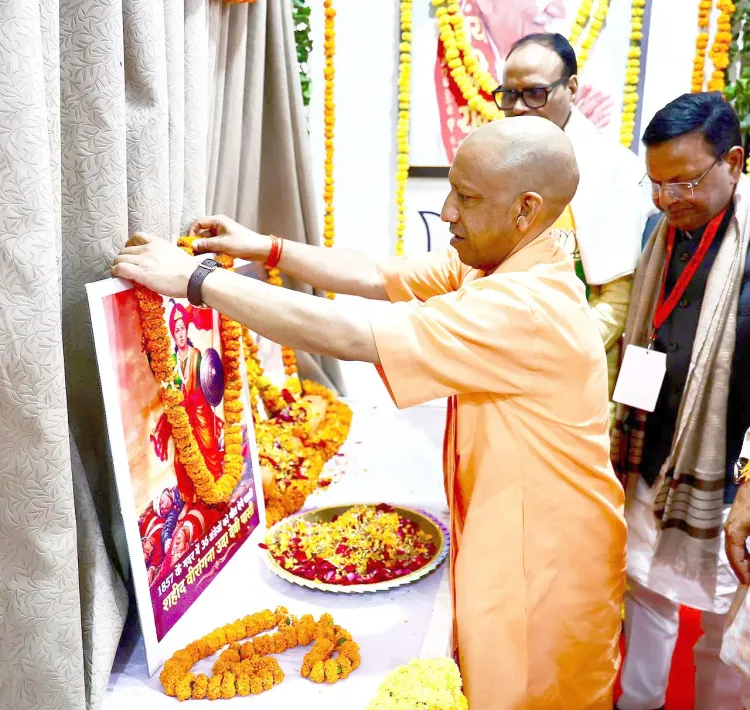
Uttar Pradesh CM Yogi Adityanath paid floral tribute to 1857 warrior-woman Uda Devi Pasi at her portrait in Mathura on her martyrdom anniversary, honouring a Pasi community hero of the first revolt against British rule.
Key Takeaways
CM Yogi Adityanath attended a tribute event in Mathura on November 16, 2026 , on the martyrdom anniversary of Uda Devi Pasi .
Uda Devi Pasi was a fighter from the Pasi community who was martyred during the 1857 Rebellion in the Awadh region.
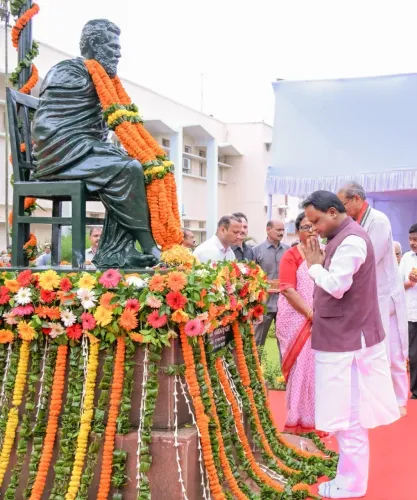
The Chief Minister garlanded her portrait and offered reverential tribute at the event.
CM Yogi has a consistent record of publicly commemorating 1857 figures from marginalised communities.
The Pasi community , a Scheduled Caste group in Uttar Pradesh, regards Uda Devi as one of its foremost historical heroes.
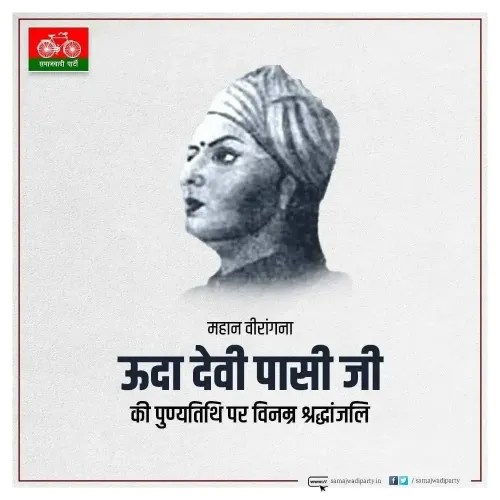
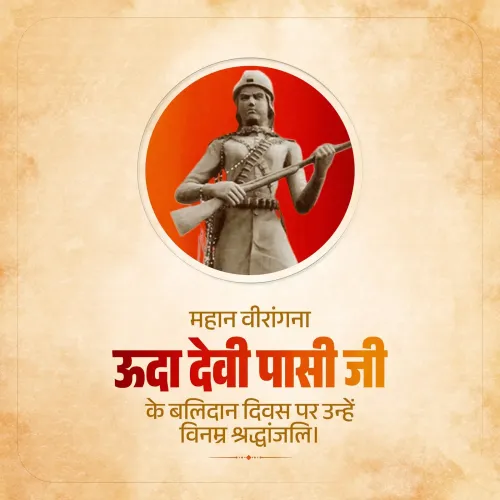
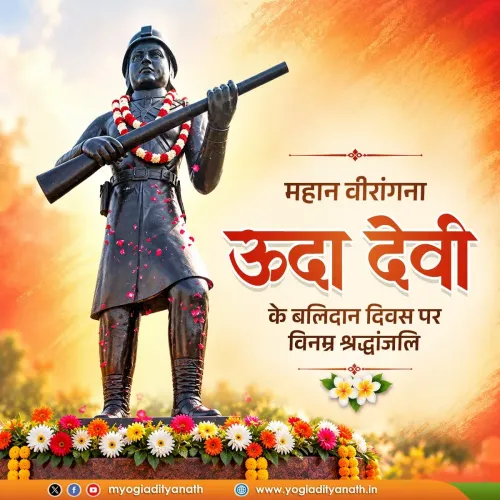
On her martyrdom anniversary, Uttar Pradesh Chief Minister Yogi Adityanath travelled to Mathura on Monday, November 16, 2026, to garland the portrait of Uda Devi Pasi — the warrior-woman of the 1857 Rebellion whose courage became legend in the lanes of Awadh.
CM Yogi wrote on X: 'Mahan veerangana Uda Devi Pasi ke balidaan divas par aaj Mathura mein unke chitra par malyarpan kar shraddhapoornvak naman kiya' — 'On the martyrdom anniversary of the great warrior-woman Uda Devi Pasi, I offered floral tribute to her portrait in Mathura today and bowed in reverence.'
Who was Uda Devi Pasi — and why she still matters
Uda Devi Pasi was a fighter from the Pasi community of Uttar Pradesh who took up arms against British forces during the uprising of 1857, making her stand in the Awadh region. Her story — a woman from a marginalised community choosing the battlefield over submission — sits at an intersection of gender and caste that mainstream histories long overlooked. She was martyred in battle, and her name has since become a touchstone of pride for the Pasi community across the state.
A pattern of reclaiming 1857's forgotten fighters
CM Yogi Adityanath has made it a consistent practice to mark the contributions of figures from the 1857 Revolt, particularly women and those from communities historically absent from textbook accounts. These state-level commemorations serve as a deliberate effort to broaden the narrative of India's first organised resistance against colonial rule — placing Dalit and OBC heroes alongside the more celebrated names of the freedom struggle.
The Pasi community, classified as a Scheduled Caste in Uttar Pradesh, holds Uda Devi as one of its most revered historical figures. Public tributes by a sitting Chief Minister carry weight both as official recognition and as a signal of the community's place in the state's historical memory.
With Uttar Pradesh home to one of the country's largest Pasi populations, remembrance events like today's in Mathura are rarely just ceremonial — they are a reaffirmation that this chapter of 1857 will not be forgotten.
Point of View
A city with deep symbolic weight, adds further visibility to the gesture. For a state government navigating a large and politically significant Scheduled Caste electorate, these commemorations serve as both historical correction and political signalling. The consistency of these tributes suggests they are now institutionalised as state policy, not one-off occasions.
NationPress
16 Nov 2026
Frequently Asked Questions
Who was Uda Devi Pasi?
Uda Devi Pasi was a woman fighter from the Pasi community of Uttar Pradesh who took up arms against British forces during the 1857 Rebellion in the Awadh region and was martyred in battle.
Why did CM Yogi go to Mathura on November 16, 2026?
CM Yogi Adityanath visited Mathura to garland the portrait of Uda Devi Pasi and pay tribute on her martyrdom anniversary.
Which community does Uda Devi Pasi belong to?
Uda Devi Pasi belonged to the Pasi community, a Scheduled Caste group in Uttar Pradesh, who regard her as one of their most revered historical figures.
What is the significance of the 1857 Rebellion in Uttar Pradesh?
The 1857 Rebellion, India's first major organised uprising against British colonial rule, saw significant action in the Awadh region of present-day Uttar Pradesh, with fighters like Uda Devi Pasi playing notable roles that have only recently received mainstream recognition.
Does the Yogi government regularly commemorate 1857 fighters?
Yes, CM Yogi Adityanath has periodically held public tributes to figures from the 1857 Revolt, particularly women and fighters from marginalised communities, as part of state-level commemorations.