Gujarat's four-way waste segregation rules: What urban residents must know
Synopsis
Gujarat's Solid Waste Management Rules 2026 go beyond routine cleanliness drives — they legally bind large establishments to on-premises wet waste processing and enforce a four-way segregation mandate on every household. With Special Cells in every district and 99% of complaints resolved within 24 hours, the state is building an accountability architecture that most Indian states have only promised on paper.
Key Takeaways
Gujarat's Solid Waste Management Rules, 2026 came into force on 1 April 2026 , mandating four-way waste segregation — wet, dry, sanitary, and special-care — at source.
100% door-to-door collection is required across all urban areas in the state.
Bulk Waste Generators with built-up area of 20,000 sq m+ , water use of 40,000 litres/day+ , or waste output of 100 kg/day+ must process wet waste on their own premises.
Special Cells under District Collectors have been set up in every district for monitoring and compliance.
The government says 99% of urban sanitation complaints via WhatsApp helpline 76228 80000 are resolved within 24 hours .
High-performing urban local bodies will be recognised through the 'My City, Clean City Award' .
Gujarat has mandated four-way segregation of household waste at source and 100% door-to-door collection across all urban areas under the Solid Waste Management Rules, 2026, which came into force on 1 April 2026. The state government is also requiring large waste generators to process wet waste on their own premises and channel dry waste through authorised agencies.
The Four-Category Segregation Framework
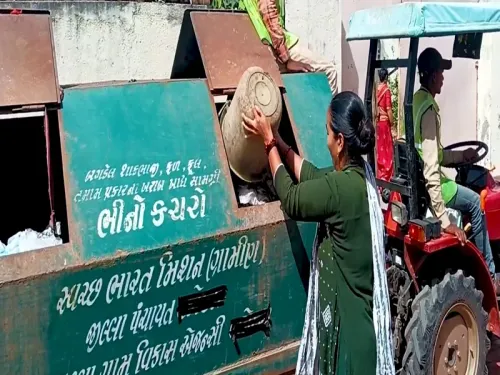
Under the new rules, residents must separate waste into four distinct streams — wet waste, dry waste, sanitary waste, and special-care waste — at the point of generation. Each category must be handed over separately to door-to-door collection vehicles. The Urban Development and Urban Housing Department is overseeing implementation in compliance with directions from both the Supreme Court and the National Green Tribunal (NGT).
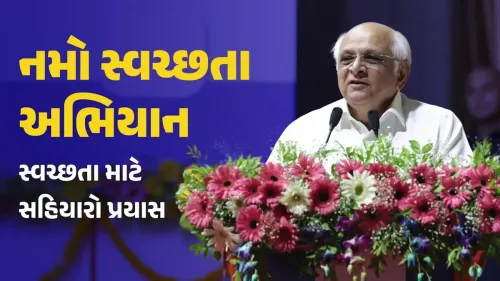
The campaign operates under the banner 'Our Waste, Our Responsibility' and the broader state resolve of 'My Gujarat, Clean Gujarat', being pursued under the guidance of Chief Minister Bhupendra Patel and Deputy Chief Minister Harsh Sanghavi.
Obligations on Bulk Waste Generators
The rules place specific responsibilities on Bulk Waste Generators (BWGs) — covering complexes, hotels, institutions, residential premises, and offices that meet any one of three thresholds: a built-up or floor area of 20,000 square metres or more; daily water consumption of at least 40,000 litres; or generation of 100 kg or more of solid waste per day.
Such establishments must undertake decentralised, on-premises processing of wet waste and ensure dry waste is disposed of only through registered or authorised agencies. This decentralisation push is a notable departure from earlier Gujarat solid waste guidelines, which placed processing responsibility predominantly on urban local bodies.
Administrative and Monitoring Machinery
At the district level, Special Cells have been constituted under respective District Collectors to oversee implementation and monitor compliance. Elected representatives have been designated 'Lead Facilitators' to support grassroots rollout.
All parameters laid down by the Supreme Court are being mapped on the Swachhata Samiksha Kendra (SSK) portal for real-time monitoring and training tracking. Areas with high public footfall have been earmarked for continuous surveillance by sanitation marshals.
The government has also conducted state-level workshops and regional training programmes for elected representatives, municipal corporation and municipality officials, and sanitation staff.
Citizen Outreach and Compliance Drive
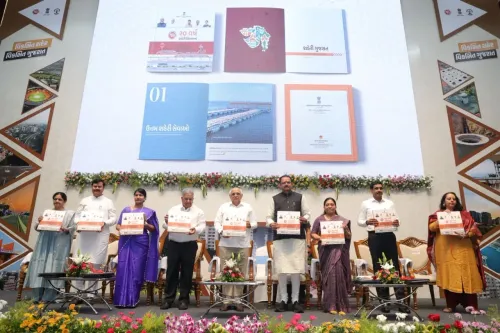
Cleanliness pledges have been administered to school and college teachers, students, housing society residents, sanitation workers, collection vehicle drivers, supervisors, and sanitary inspectors. Practical books on cleanliness practices have been distributed to school students.
Citizens have been urged to refrain from dumping waste in public spaces or burning it, with the government stressing that segregation at source and public participation are non-negotiable pillars of the drive. The government stated that 99% of sanitation complaints received through the WhatsApp helpline 76228 80000 in urban areas are being resolved within the stipulated 24-hour period.
Performance Incentives for Urban Bodies
Municipal corporations and municipalities that demonstrate strong performance under the campaign are being encouraged through the 'My City, Clean City Award'. The initiative forms part of Gujarat's broader 'Clean Gujarat, Healthy Gujarat' campaign.
As implementation gathers pace across urban Gujarat, the state's ability to enforce BWG compliance and sustain citizen participation will be the defining measure of whether the Solid Waste Management Rules, 2026 translate into lasting change on the ground.
Point of View
But the real stress test is enforcement on Bulk Waste Generators — historically the weakest link in Indian urban waste systems. The 99% WhatsApp complaint-resolution claim is encouraging, but complaint resolution and actual segregation compliance are very different metrics. The state's decision to map all Supreme Court parameters on the SSK portal is a credible accountability step; whether district-level Special Cells have the staffing and authority to act against non-compliant hotels and large complexes will determine if this drive outlasts its launch energy.
NationPress
16 Nov 2026
Frequently Asked Questions
What are the Gujarat Solid Waste Management Rules 2026?
The Gujarat Solid Waste Management Rules, 2026 are state-level regulations that came into effect on 1 April 2026, requiring all urban households to segregate waste into four categories — wet, dry, sanitary, and special-care — and hand each over separately to door-to-door collection vehicles. The rules also place specific processing and disposal obligations on large establishments classified as Bulk Waste Generators.
What is a Bulk Waste Generator under these rules?
A Bulk Waste Generator (BWG) is any complex, hotel, institution, residential premises, or office that meets any one of three criteria: a built-up or floor area of 20,000 square metres or more, daily water consumption of at least 40,000 litres, or generation of 100 kg or more of solid waste per day. BWGs are required to process wet waste on their own premises and dispose of dry waste through registered or authorised agencies.
How is the Gujarat government monitoring compliance with these rules?
Special Cells have been set up in every district under the respective District Collector to oversee implementation. All parameters mandated by the Supreme Court are being tracked on the Swachhata Samiksha Kendra (SSK) portal, and sanitation marshals are deployed at high-footfall areas for continuous monitoring. The government also reports that 99% of complaints through the WhatsApp helpline 76228 80000 are resolved within 24 hours.
What is the 'Clean Gujarat, Healthy Gujarat' campaign?
It is a state-level urban cleanliness initiative led under the guidance of Chief Minister Bhupendra Patel and Deputy Chief Minister Harsh Sanghavi. The campaign encompasses the implementation of the Solid Waste Management Rules 2026, public outreach including cleanliness pledges in schools and housing societies, training for municipal officials, and performance incentives for urban local bodies through the 'My City, Clean City Award'.
What responsibilities do elected representatives have under this drive?
Elected representatives have been designated 'Lead Facilitators' to support grassroots rollout of the waste management rules. They are expected to coordinate with Special Cells at the district level and participate in state-level workshops and regional training programmes organised by the Urban Development and Urban Housing Department.