CM Yogi Inaugurates New UPSDA Headquarters in Lucknow

Synopsis
Uttar Pradesh Chief Minister Yogi Adityanath inaugurated the new headquarters of the UP State Disaster Management Authority in Lucknow on 19 July 2026. The facility is set to strengthen the state's disaster coordination and emergency response capacity across its 75 districts, in line with the Disaster Management Act, 2005.
Key Takeaways
Chief Minister Yogi Adityanath inaugurated the new UPSDA headquarters in Lucknow on 19 July 2026 .
The facility upgrades disaster coordination infrastructure for Uttar Pradesh , home to over 25 crore residents.
The move aligns with the Disaster Management Act, 2005 and the National Policy on Disaster Management, 2009 .
The state faces recurring flood and drought risks across river belts and the Bundelkhand region.
Integration with central early-warning systems and district-level centres are the next expected steps.
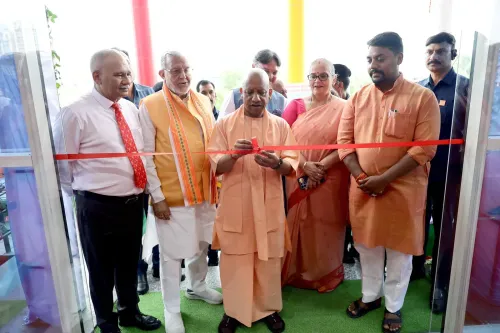
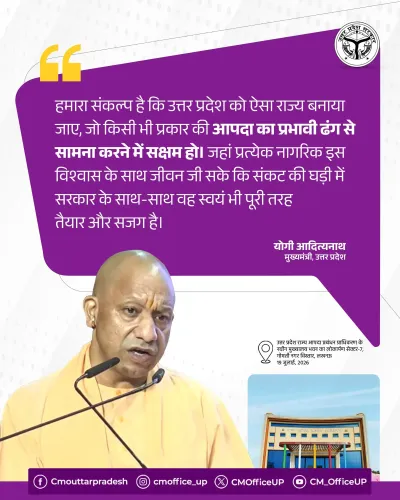
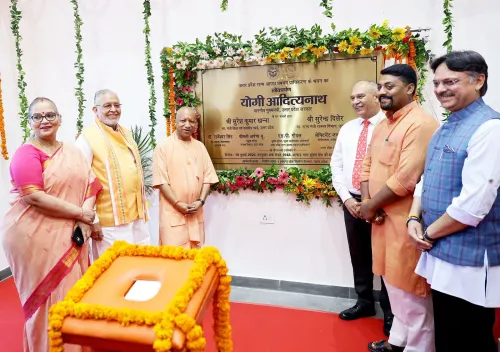
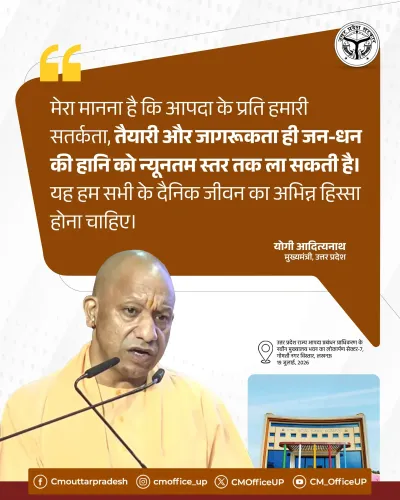
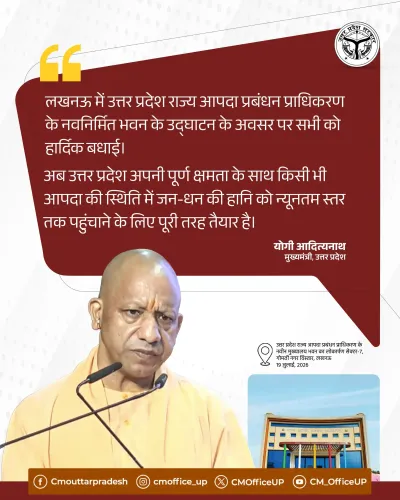
Uttar Pradesh Chief Minister Yogi Adityanath on Sunday, 19 July 2026, inaugurated the new headquarters building of the Uttar Pradesh State Disaster Management Authority (UPSDA) in Lucknow, marking a significant upgrade to the state's disaster preparedness infrastructure.
Context
The inauguration event, referred to in the Chief Minister's post as 'नवीन मुख्यालय भवन के लोकार्पण कार्यक्रम' ('the inauguration programme of the new headquarters building'), was held at the UPSDA premises in the state capital. The new facility is intended to serve as the nerve centre for disaster coordination across Uttar Pradesh, one of India's most populous and geographically diverse states, which faces recurring threats from floods, droughts, and other natural hazards.
Chief Minister Adityanath, who also chairs the State Disaster Management Authority, presided over the ceremony. The event underlines the state government's stated commitment to strengthening institutional infrastructure for emergency response.
Policy Backdrop
The Disaster Management Act, 2005 created the legal mandate for every state to establish a State Disaster Management Authority with dedicated operational infrastructure. The National Policy on Disaster Management, 2009 further emphasised the need for purpose-built state headquarters and capacity-building facilities to reduce response times during emergencies.
The National Disaster Management Authority (NDMA), the apex body at the central level, has consistently urged states to upgrade their SDMA facilities and integrate them with national early-warning systems. Uttar Pradesh's new headquarters building is in line with this policy direction, which has seen several states invest in dedicated SDMA infrastructure over the past decade.
Stakeholders and Impact
The primary beneficiaries of the upgraded facility are the 25 crore-plus residents of Uttar Pradesh, particularly communities in flood-prone districts along the Ganga, Yamuna, and Ghaghra river belts, as well as drought-vulnerable regions of the Bundelkhand plateau. State disaster response personnel and district-level officials are expected to gain improved coordination tools and administrative support from the new headquarters.
The building is also expected to enhance inter-agency coordination between UPSDA, the State Disaster Response Force (SDRF), and central agencies during large-scale emergencies, a gap that has historically slowed response efforts in the state.
What's Next
Officials and policy observers will watch whether the new headquarters accelerates the rollout of district-level disaster management centres across Uttar Pradesh's 75 districts, which remain unevenly equipped for rapid response. Integration with central early-warning systems — particularly for flood forecasting along major river corridors — is the next operational milestone the state administration is expected to pursue.
The inauguration signals a broader administrative push to professionalise disaster governance in the country's largest state, with implications for how quickly relief reaches affected populations in future calamities.
Point of View
The Chief Minister signals political ownership of disaster preparedness, a domain that directly affects electoral outcomes in flood-prone constituencies. The move fits into a broader national pattern of states building administrative muscle for disaster management after the 2005 Act, though the real test will be whether the new infrastructure translates into faster, more coordinated relief on the ground. Observers will track whether district-level capacity follows the headline investment at the state capital.
NationPress
20 Jul 2026
Frequently Asked Questions
What did CM Yogi Adityanath inaugurate in Lucknow on 19 July 2026?
Chief Minister Yogi Adityanath inaugurated the new headquarters building of the Uttar Pradesh State Disaster Management Authority (UPSDA) in Lucknow on 19 July 2026.
What is the Uttar Pradesh State Disaster Management Authority?
The UPSDA is a state-level statutory body responsible for disaster preparedness, mitigation, and response coordination in Uttar Pradesh, established under the Disaster Management Act, 2005.
Why does Uttar Pradesh need a new disaster management headquarters?
Uttar Pradesh faces recurring floods, droughts, and other hazards across its 75 districts. A dedicated headquarters is meant to improve coordination between state and central agencies and reduce emergency response times.
What law governs state disaster management authorities in India?
The Disaster Management Act, 2005 created the legal mandate for State Disaster Management Authorities, and the National Policy on Disaster Management, 2009 emphasised dedicated state infrastructure and capacity building.
What are the next steps after the UPSDA headquarters inauguration?
The expected next steps include rolling out district-level disaster management centres across UP's 75 districts and integrating the new headquarters with central early-warning systems, especially for flood forecasting.