CM Yogi launches 25 lakh tablet drive from Lucknow
Synopsis
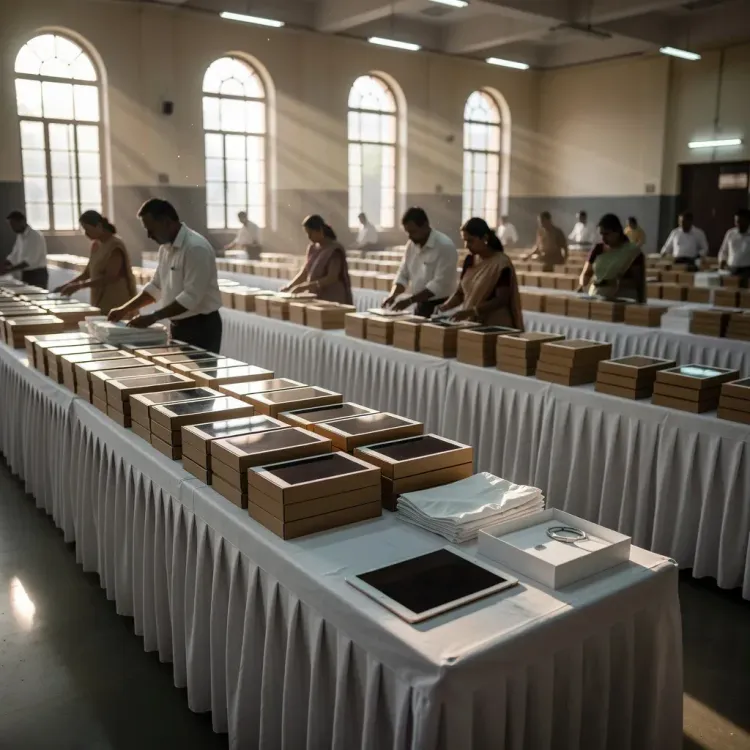
Uttar Pradesh CM Yogi Adityanath launched a fresh tranche of 25 lakh tablets from Lucknow on 15 November 2026 under the Swami Vivekananda Yuva Sashaktikaran Yojana, taking the scheme's total device distribution to over 85 lakh.
Key Takeaways
25 lakh tablets are being distributed from Lucknow starting 15 November 2026 under the Swami Vivekananda Yuva Sashaktikaran Yojana.
The scheme has already provided over 60 lakh smartphones and tablets to young people in Uttar Pradesh .
CM Yogi linked the initiative to PM Narendra Modi's Digital India programme, launched in 2015 .
The scheme targets students and job-seekers to widen access to education, skilling and government services.
CM Yogi criticised earlier state governments for prioritising caste and dynastic politics over youth development.
The rollout's impact will hinge on district-level distribution equity and connectivity support for new beneficiaries.
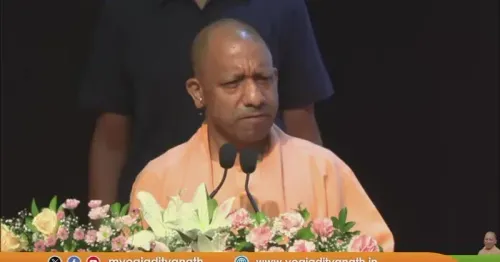
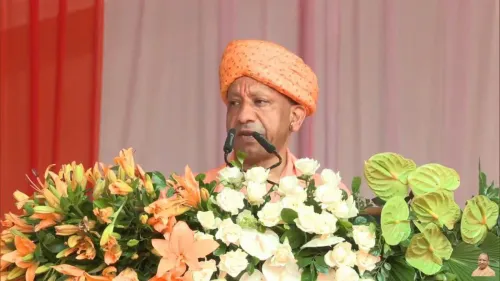
Sixty lakh smartphones and tablets already in young hands — and Uttar Pradesh Chief Minister Yogi Adityanath is not stopping there. On Sunday, 15 November 2026, the Chief Minister announced the launch of a fresh distribution drive from Lucknow, adding 25 lakh tablets to the state's already large digital-device rollout under the Swami Vivekananda Yuva Sashaktikaran Yojana.
Posting on X in Hindi, CM Yogi framed the announcement as a direct answer to what he called decades of neglect: 'pūrvavarti sarkāroṃ ne yuvaōṃ ke bhaviṣya ki cintā karne ke bajāy unheṃ jāti, kṣetra aur parivārvād kī rājnīti meṃ uljhāe rakhā' — 'rather than worrying about the future of youth, previous governments kept them entangled in the politics of caste, region and dynastic loyalties.' He argued that talent without technology is opportunity wasted, and that no previous administration in Uttar Pradesh made any concrete move to close that gap.
What the Swami Vivekananda scheme actually does
The Swami Vivekananda Yuva Sashaktikaran Yojana is a state-government programme that provides smartphones and tablets to students and young job-seekers in Uttar Pradesh, explicitly to widen access to education, digital skilling and government services. The scheme draws its ideological framing from the Digital India programme launched by the central government in 2015 to bridge the country's digital divide through infrastructure and device access.
CM Yogi credited Prime Minister Narendra Modi's 'double-engine government' model — where the same party holds power at the centre and in the state — for enabling the scale of this rollout. The logic: central resources and state execution move in the same direction, without political friction slowing delivery. Uttar Pradesh, India's most populous state, has been governed by the BJP under this model since 2017.
25 lakh more — and why the number matters
Adding 25 lakh tablets to an existing base of over 60 lakh devices is not a marginal increment — it represents a roughly 40 per cent expansion of the scheme's reach in a single tranche. For a state whose youth population runs into the tens of millions, saturation is still distant, but the trajectory is clear: the BJP government in Lucknow has made device distribution a recurring, visible proof-point of its digital-welfare agenda.
CM Yogi closed his post with a direct message to beneficiaries: 'saṃsādhanoṃ kā abhāv kisī yuvā kī pratibhā ke āṛe na āe' — 'the absence of resources should not come in the way of any young person's talent.' The aspiration is explicit: every young person in Uttar Pradesh should be able to write their own story of success through hard work.
What comes next for the rollout
The immediate question is execution: how the 25 lakh additional tablets are distributed across Uttar Pradesh's 75 districts, whether rural and semi-urban youth receive equitable access, and whether the devices are paired with connectivity or skilling support. Future evaluation of learning outcomes and employment linkages for earlier beneficiaries will ultimately test whether device distribution translates into the economic mobility the scheme promises.
Point of View
CM Yogi reinforces the 'double-engine' narrative ahead of future electoral cycles in India's most electorally consequential state. The sharp critique of previous governments for identity-based mobilisation serves a dual purpose: policy framing and political differentiation. Whether the investment translates into measurable skilling or employment outcomes, rather than just device ownership, will determine its long-term governance legacy.
NationPress
15 Nov 2026
Frequently Asked Questions
What is the Swami Vivekananda Yuva Sashaktikaran Yojana?
It is a Uttar Pradesh government scheme that provides free smartphones and tablets to students and young job-seekers to expand access to digital education, skilling and government services.
How many tablets are being distributed in the November 2026 Lucknow event?
CM Yogi Adityanath announced the distribution of 25 lakh additional tablets from Lucknow on 15 November 2026 .
How many devices have been given out under the scheme in total?
According to CM Yogi's post, more than 60 lakh smartphones and tablets had already been distributed before this fresh tranche of 25 lakh was launched.
How is the scheme connected to Digital India?
The Uttar Pradesh scheme is framed as a state-level extension of the central government's Digital India programme, which was launched in 2015 to bridge the country's digital divide through infrastructure and device access.
Who is eligible for a free tablet under the Swami Vivekananda Yuva Sashaktikaran Yojana?
The scheme primarily targets students and young job-seekers in Uttar Pradesh who lack access to digital devices for education and skill development.