CM Yogi Boosts UP Ration Dealers, Launches e-POS Feedback System
Synopsis
Uttar Pradesh CM Yogi Adityanath raised dividends for over 78,000 fair price shop dealers and launched an e-POS-based vendor feedback system in Lucknow on 17 August 2026, deepening the state's digitisation of its Public Distribution System under a single-stage door-step delivery model.
Key Takeaways
Over 78,000 fair price shop dealers in Uttar Pradesh received a dividend (commission) increase announced by CM Yogi Adityanath .
A new e-POS-based vendor feedback system was formally launched at the Lucknow event on 17 August 2026 .
The feedback mechanism operates under the state's Single Stage Door-Step Delivery model for PDS grain distribution.
UP's e-POS infrastructure was originally deployed from the mid-2010s for Aadhaar-based biometric authentication of ration beneficiaries.
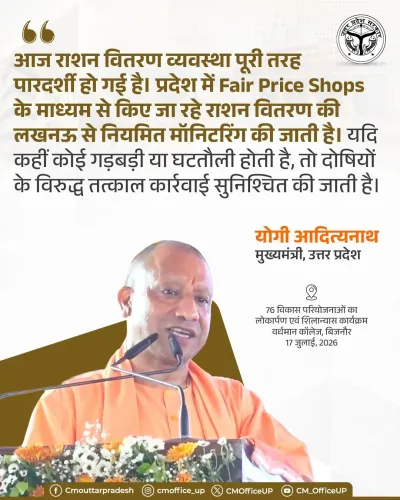
The moves align with the state's broader push to digitise welfare delivery and reduce diversion within its Public Distribution System .
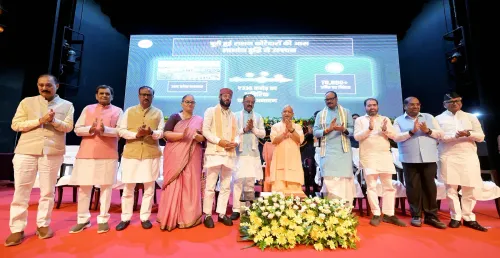
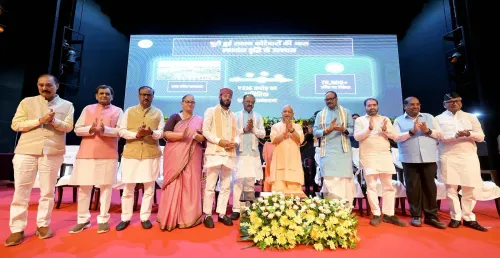
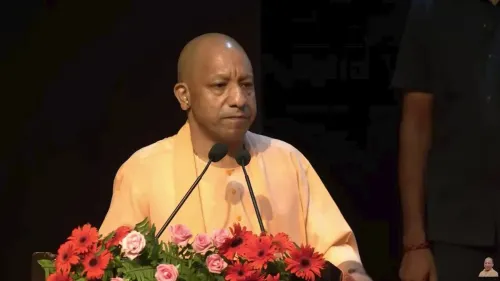
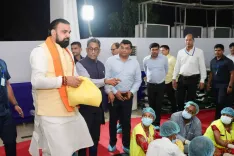
More than 78,000 fair price shop owners across Uttar Pradesh received a direct upgrade to their livelihoods on Monday, 17 August 2026, as Uttar Pradesh Chief Minister Yogi Adityanath presided over a landmark event in Lucknow — announcing an increase in dealer dividends and launching a new e-POS-based vendor feedback system under the state's single-stage door-step delivery model.
What changed for UP's ration shop owners
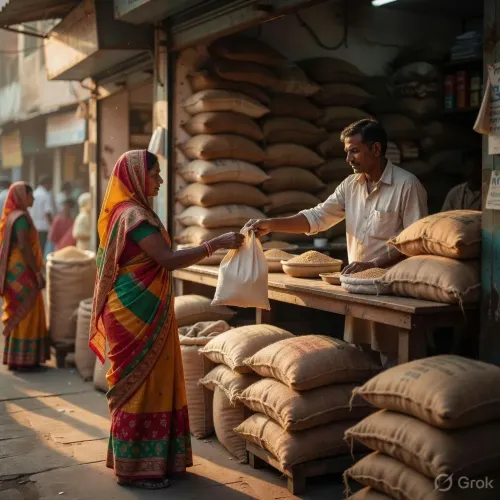
At the Lucknow event, CM Yogi unveiled two simultaneous interventions: a hike in the commission — or labhānsh (dividend) — paid to fair price shop (FPS) dealers, and the formal rollout of an e-POS-based feedback mechanism that allows these vendors to log grievances and report delivery issues digitally. The feedback system sits within the state's Single Stage Door-Step Delivery framework, under which food grains move directly from warehouses to ration shops, cutting out intermediate handling.
For dealers, the commission increase is the more immediate relief. Fair price shop owners have long operated on thin margins set by the state, and any upward revision directly affects the financial viability of running a ration outlet in UP's vast rural and semi-urban network.
e-POS: from authentication tool to feedback channel
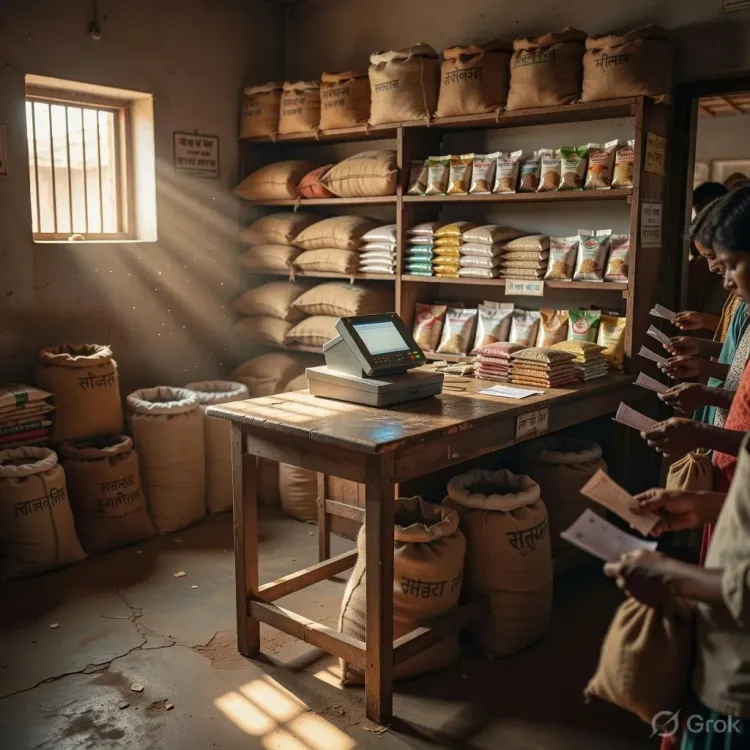
UP's electronic Point of Sale devices were first deployed across ration shops from the mid-2010s onward, primarily to enable Aadhaar-based biometric authentication of beneficiaries and to stamp out ghost beneficiaries and grain diversion. The new feedback layer marks the next evolution — turning the same terminal into a two-way communication channel between the state and its 78,000-plus dealers.
Under India's National Food Security Act, 2013, priority households are entitled to subsidised food grains distributed through state-managed fair price shops. Uttar Pradesh, with one of the country's largest PDS networks, has consistently pushed digitisation as the primary lever to plug leakages and improve last-mile accountability.
UP's PDS digitisation: the bigger arc
The Lucknow event is the latest data point in a years-long effort by the Yogi Adityanath government to modernise welfare delivery in the state. Door-step delivery, e-POS authentication, and now dealer-level digital feedback represent a stacked architecture — each layer designed to reduce the human discretion that historically enabled diversion. The question now is adoption: whether 78,000 dealers spread across Uttar Pradesh's 75 districts will integrate the feedback system into their daily workflow, and whether the data it generates translates into faster grievance resolution on the ground.
If it does, the model could serve as a template for other large states still relying on manual complaint channels within their PDS networks.
Point of View
Improving dealer welfare reduces friction at the last mile, which has historically been the weakest link in food security delivery. The e-POS feedback layer also creates a data trail that can be used to demonstrate governance outcomes ahead of electoral cycles. Nationally, the move reinforces a broader BJP-governed-state trend of layering technology onto entitlement schemes to generate verifiable, audit-ready welfare metrics.
NationPress
1 Oct 2026
Frequently Asked Questions
What did CM Yogi announce for UP ration shop owners?
CM Yogi Adityanath announced an increase in the dividend paid to over 78,000 fair price shop dealers in Uttar Pradesh and launched a new e-POS-based feedback system for vendors at an event in Lucknow on 17 August 2026.
What is the e-POS feedback system for UP ration dealers?
It is a digital mechanism built on existing electronic Point of Sale terminals at fair price shops, allowing ration dealers to log grievances and report delivery issues directly through the same device used for Aadhaar-based beneficiary authentication.
What is single-stage door-step delivery in UP's PDS?
Under this model, food grains move directly from state warehouses to fair price shops in a single stage, removing intermediate handling points to reduce diversion and improve delivery efficiency.
How many fair price shops are there in Uttar Pradesh?
The Lucknow event referenced over 78,000 fair price shop dealers operating across Uttar Pradesh's Public Distribution System network.
What is the National Food Security Act and how does it relate to UP's ration shops?
The National Food Security Act of 2013 entitles priority households to subsidised food grains distributed through state-managed fair price shops. Uttar Pradesh operates one of the country's largest such networks and has progressively digitised it using e-POS technology.