CM Yogi flags transparent ration delivery via UP Fair Price Shops
Synopsis
Chief Minister Yogi Adityanath's office says Uttar Pradesh's ration delivery through Fair Price Shops is now fully transparent, with centralised monitoring from Lucknow and immediate punitive action against short-weighing or irregularities by dealers.
Key Takeaways
The Chief Minister's Office of Uttar Pradesh quoted CM Yogi Adityanath on 17 July 2026 declaring the state's ration distribution system fully transparent.
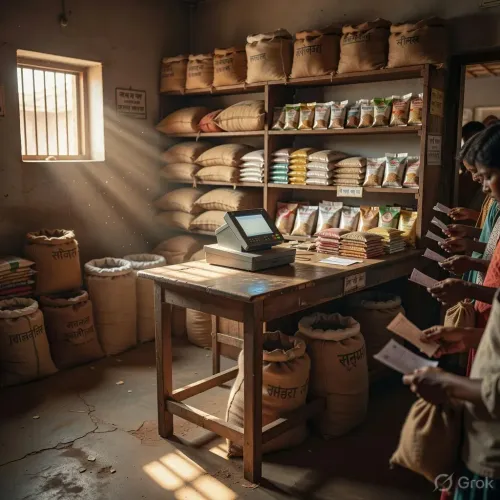
Ration delivery through Fair Price Shops is being regularly monitored from Lucknow , according to the statement.
Immediate punitive action against those responsible for irregularities or short-weighing is assured by the government.
Uttar Pradesh is one of the largest implementers of the National Food Security Act, 2013 , covering a significant share of the state's rural and urban poor.
The state's PDS reforms align with the national One Nation One Ration Card scheme and Aadhaar-linked e-POS authentication at Fair Price Shops.
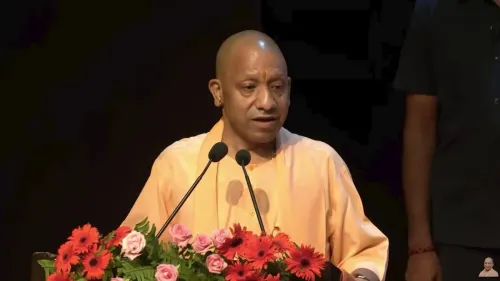
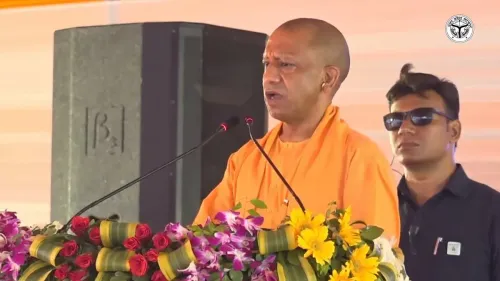
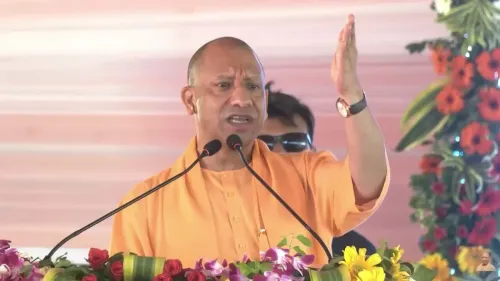
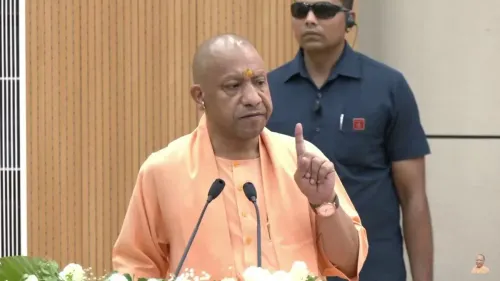
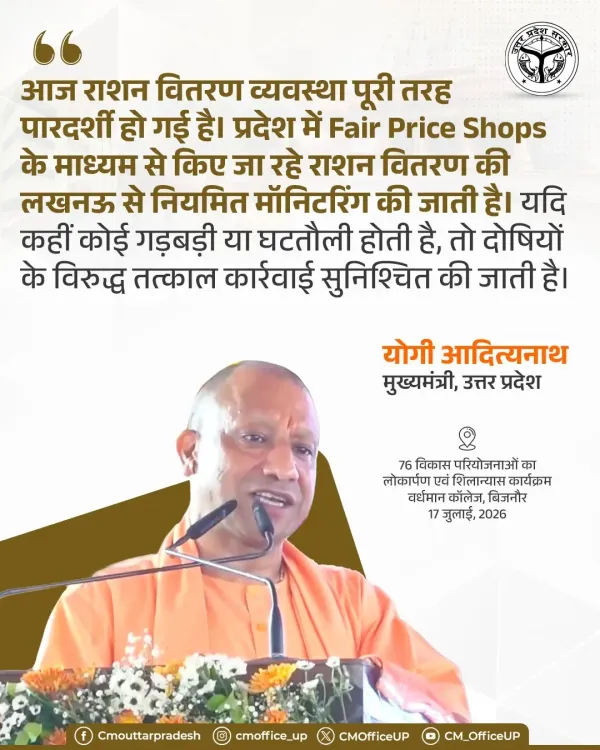
The Chief Minister's Office of Uttar Pradesh, citing Chief Minister Yogi Adityanath, declared on Friday, 17 July 2026 that the state's ration distribution system has become fully transparent, with regular monitoring of Fair Price Shops conducted from Lucknow and immediate action taken against any irregularities or short-weighing.
Quoting the Chief Minister directly, the post stated: 'आज राशन वितरण व्यवस्था पूरी तरह पारदर्शी हो गई है' ['Today the ration distribution system has become completely transparent']. It added that ration delivery through Fair Price Shops across the state is regularly monitored from Lucknow, and that wherever any irregularity or short-weighing is found, immediate action against the guilty is ensured.
Context
Uttar Pradesh is India's most populous state and one of the largest implementers of the National Food Security Act (NFSA), 2013, which extended subsidised food grain coverage to nearly 75 per cent of the rural population and 50 per cent of the urban population. The scale of delivery — spanning hundreds of thousands of ration card holders across 75 districts — has historically made the state's Public Distribution System (PDS) vulnerable to diversion and short-weighing at the last mile. The statement from the Chief Minister's Office comes amid a broader national push to digitise and audit PDS operations, with states deploying Aadhaar-linked electronic point-of-sale (e-POS) devices, CCTV surveillance, and centralised dashboards to reduce grain leakage.Policy Backdrop
The One Nation One Ration Card scheme, rolled out nationally from 2019, enabled portability of PDS benefits, allowing beneficiaries to access their entitlements from any Fair Price Shop in the country. Uttar Pradesh aligned with this framework, integrating biometric authentication at Fair Price Shops to verify beneficiaries in real time. CM Yogi Adityanath, who has led the state since 2017, has repeatedly positioned PDS reform as a governance priority, framing curbs on diversion as a direct benefit to the poor. The emphasis on centralised monitoring from Lucknow reflects a wider administrative strategy of using state-capital dashboards to track district-level welfare delivery.Stakeholders and Impact
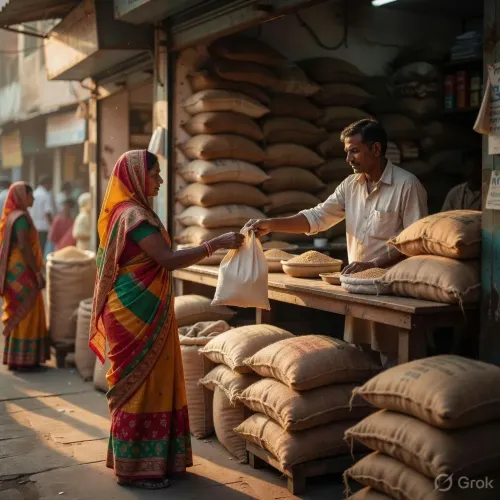
The primary beneficiaries of a well-functioning PDS are ration card holders — low-income and below-poverty-line families who depend on subsidised wheat, rice, and other essentials. For this group, short-weighing and diversion by Fair Price Shop dealers directly erode food security. Fair Price Shop dealers, who operate as the final link in the supply chain, face the most direct scrutiny under the monitoring regime described. The warning of 'immediate action' against those found responsible for irregularities signals continued pressure on dealers to comply with prescribed distribution norms. Civil society groups and state audit bodies have long tracked leakage rates in UP's PDS as a barometer of reform effectiveness.What's Next
The government's assertion of transparency will likely be tested against forthcoming state-level PDS performance audits and any reports from the Comptroller and Auditor General on leakage reduction in Uttar Pradesh. Further rollout of GPS-based vehicle tracking for grain transport and expanded biometric coverage at Fair Price Shops are among the technological steps being watched by policy observers. If the monitoring infrastructure described by CM Yogi Adityanath delivers measurable reductions in diversion, it could serve as a model for other high-population states grappling with similar last-mile delivery challenges.Point of View
The credibility of the claim will ultimately rest on verifiable audit data: leakage rates, beneficiary satisfaction surveys, and CAG findings will be the real scorecard. For opposition parties, the statement opens a line of scrutiny — demanding evidence rather than accepting assertion.
NationPress
16 Oct 2026
Frequently Asked Questions
Is ration distribution in Uttar Pradesh now fully transparent?
The Chief Minister's Office of Uttar Pradesh, quoting CM Yogi Adityanath, stated on 17 July 2026 that the ration distribution system has become fully transparent, with monitoring of Fair Price Shops conducted from Lucknow and immediate action taken against irregularities.
How are Fair Price Shops monitored in Uttar Pradesh?
According to the Chief Minister's Office, ration delivery through Fair Price Shops across UP is regularly monitored from Lucknow, supported by Aadhaar-linked e-POS devices and centralised dashboards introduced under national PDS reform initiatives.
What happens if a Fair Price Shop dealer is caught short-weighing ration in UP?
CM Yogi Adityanath's office stated that wherever short-weighing or any irregularity is found, immediate action against those responsible is ensured by the state government.
What is the One Nation One Ration Card scheme and does it apply in UP?
The One Nation One Ration Card scheme, launched nationally in 2019, allows PDS beneficiaries to access subsidised food grains from any Fair Price Shop in India. Uttar Pradesh is a participating state and has integrated biometric authentication as part of this framework.
Who benefits from Uttar Pradesh's Public Distribution System?
Low-income and below-poverty-line ration card holders — primarily rural families covered under the National Food Security Act, 2013 — are the primary beneficiaries, receiving subsidised wheat, rice, and other essentials through Fair Price Shops.