CM Yogi Flags End of Ration Pilferage, Cites Public Satisfaction
Synopsis
CM Yogi Adityanath declared on 3 July 2026 that systemic ration pilferage in Uttar Pradesh has been eliminated, asserting that the poor are now receiving their entitled food-grain share and that public satisfaction has followed. The remarks highlight the state's technology-driven PDS reforms since 2017.
Key Takeaways
CM Yogi Adityanath posted on 3 July 2026 that ration pilferage in Uttar Pradesh has been eliminated.
He stated that the poor have begun receiving their rightful share of subsidised food grain under the Public Distribution System .
Aadhaar -based biometric authentication and e-POS machines have been central to curbing diversion since 2015 .
The National Food Security Act, 2013 expanded PDS coverage but left significant leakages that technology-driven reforms aimed to address.
The BJP government in Uttar Pradesh has positioned PDS reform as a flagship governance achievement since coming to power in 2017 .
State-level audits and independent beneficiary surveys will be critical to verifying the scale of leakage reduction claimed.
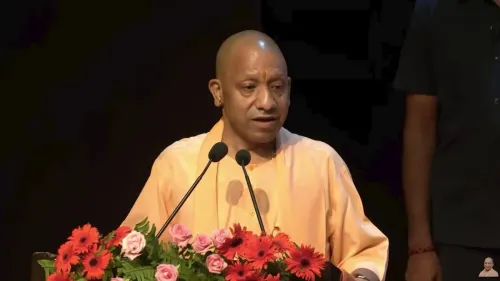
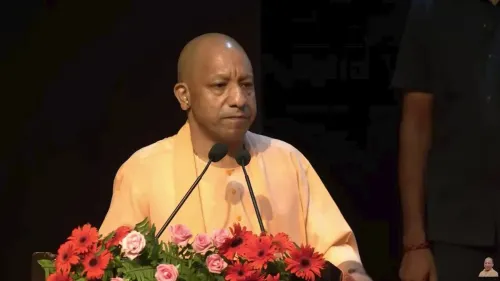
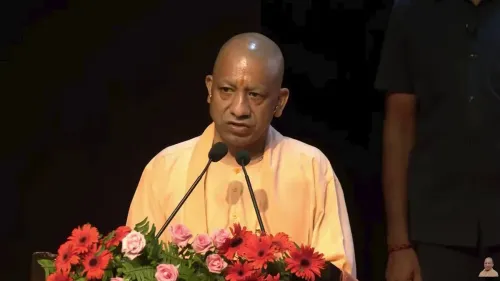
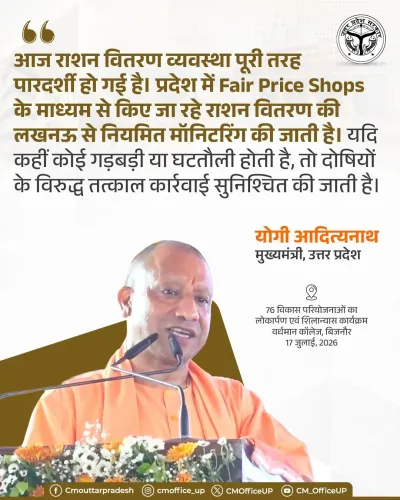
Uttar Pradesh Chief Minister Yogi Adityanath on Friday, 3 July 2026 asserted that systemic corruption in the state's food-grain distribution network has been eliminated, declaring that the public is now satisfied with welfare delivery. The remarks, posted on his official X account, signal a renewed push by the Bharatiya Janata Party government in Lucknow to highlight gains in subsidised food delivery under its watch.
In his post, CM Yogi stated — 'Kuch log rashan ko chat kar jaate the, usse mukti mili aur gareeb ko uska adhikar prapt hona shuru hua. Aaj public khush hai...' — translated as: 'Some people used to devour the ration meant for others; freedom from that has been achieved, and the poor have begun to receive their rightful share. Today the public is happy.'
Context
The Public Distribution System (PDS), India's nationwide network for distributing subsidised food grains, has historically suffered from significant leakage — grain meant for eligible households under the National Food Security Act, 2013 being diverted by intermediaries or unscrupulous fair price shop operators. Uttar Pradesh, with one of the country's largest beneficiary populations, was long identified as a high-leakage state.
CM Yogi's remarks directly invoke this legacy, framing the period before his government's reforms as one where middlemen — 'kuch log' (some people) — systematically siphoned off rations intended for the poor.
Policy Backdrop
From 2015 onward, states began integrating Aadhaar-based biometric authentication and electronic Point-of-Sale (e-POS) machines at fair price shops to curb pilferage and ghost beneficiaries. Aadhaar seeding of ration cards allowed real-time verification of beneficiary identity, making it significantly harder for operators to claim grain on behalf of absent or fictitious cardholders.
Several BJP-governed states, including Uttar Pradesh, have positioned technology-driven delivery as a centrepiece of welfare reform, aligning with the broader national shift toward Direct Benefit Transfers and reduced intermediary involvement. The Yogi Adityanath administration, in power since 2017, has repeatedly cited PDS reform as evidence of improved governance under its tenure.
Stakeholders and Impact
The primary beneficiaries of a leakage-free PDS are crores of Below Poverty Line (BPL) and Antyodaya households across Uttar Pradesh who are entitled to subsidised wheat and rice under the National Food Security Act. For these families, reliable access to their monthly quota can be the difference between food security and distress.
Fair price shop operators — the last-mile link in the distribution chain — are also directly affected, as biometric systems and real-time tracking have reduced the opacity that previously enabled diversion. The CM's statement implicitly holds this class of intermediaries accountable for past irregularities.
What's Next
State-level audits and performance reports under the National Food Security Act will be the key measure of whether leakage reduction claims translate into verified, on-ground improvement in beneficiary coverage and grain delivery. Independent assessments tracking diversion rates and household-level satisfaction in Uttar Pradesh will determine how durable these gains prove to be.
As Uttar Pradesh heads toward future electoral cycles, the BJP government's ability to demonstrate concrete, measurable welfare delivery — rather than rely on anecdotal satisfaction — will shape how these governance claims are received by both voters and policy scrutineers.
Point of View
Where Aadhaar and e-POS machines replace corrupt human intermediaries. The timing, mid-term between elections, suggests the government is building an administrative track record it intends to campaign on. Whether the claim holds up under independent audit will determine if it becomes a durable political asset or an overreach.
NationPress
1 Oct 2026
Frequently Asked Questions
What did CM Yogi Adityanath say about ration distribution in UP?
CM Yogi Adityanath stated on 3 July 2026 that people who used to pilfer ration meant for the poor have been stopped, and that eligible beneficiaries are now receiving their rightful share under the Public Distribution System.
How has Uttar Pradesh reduced ration pilferage?
Uttar Pradesh has deployed Aadhaar-based biometric authentication and electronic Point-of-Sale machines at fair price shops, making it harder for operators to divert grain meant for eligible National Food Security Act beneficiaries.
What is the Public Distribution System in India?
The Public Distribution System is India's government-run network that distributes subsidised food grains such as wheat and rice to eligible Below Poverty Line and Antyodaya households under the National Food Security Act, 2013.
What role does Aadhaar play in PDS reform?
Aadhaar seeding of ration cards allows real-time biometric verification of beneficiaries at fair price shops, preventing ghost beneficiaries and reducing the diversion of subsidised grain by intermediaries.
Why is PDS leakage a major issue in Uttar Pradesh?
Uttar Pradesh has one of India's largest PDS beneficiary populations, making it historically vulnerable to large-scale diversion; reducing leakage here has an outsized impact on food security for crores of low-income households.