CM Yogi Launches UP's Digital Census 2027 from Lucknow
Synopsis
Uttar Pradesh CM Yogi Adityanath launched the second phase of Jan Ganana-2027 — India's first digital census — from Lucknow on November 16, combining self-enumeration and door-to-door drives to ensure no eligible resident is excluded from government scheme benefits.
Key Takeaways
CM Yogi Adityanath formally launched the second phase of Jan Ganana-2027 from Lucknow on November 16, 2026 .
Jan Ganana-2027 is described as India's first fully digital census and the world's largest digital enumeration exercise.
The phase combines self-enumeration (digital self-reporting by residents) and door-to-door visits by trained personnel.
CM Yogi warned that census exclusion directly translates to welfare exclusion, with uncounted citizens losing access to government scheme benefits.
Uttar Pradesh — population exceeding 240 million — is pivotal to national statistics; the last completed Census of India was in 2011 , with the 2021 round delayed by COVID-19.
CM Yogi called on census personnel to maintain 'complete integrity and dedication' throughout the exercise.
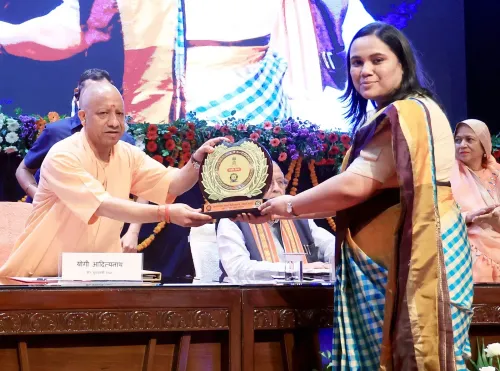
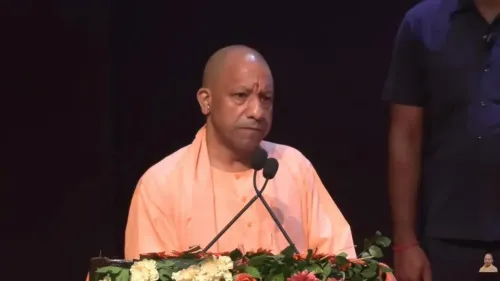
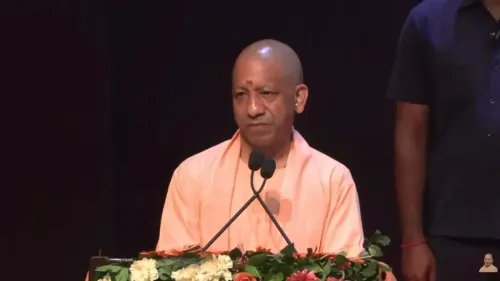
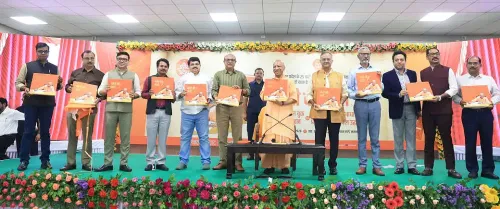
India's most populous state just made its first move in what could be the country's most consequential demographic exercise in over a decade. Uttar Pradesh Chief Minister Yogi Adityanath on Monday, November 16, 2026, formally launched the self-enumeration and door-to-door census drive under the second phase of Jan Ganana-2027 — billed as India's first-ever fully digital census — from Lucknow.
A Warning Embedded in the Launch
CM Yogi did not open with ceremony. He opened with a consequence: 'When any section of society is left out of the census, the eligible person is deprived of the benefits of government schemes.' The framing was deliberate — census exclusion is not an administrative inconvenience, it is a welfare failure. With scores of central and state schemes pegged to enumerated beneficiary counts, an uncounted citizen is effectively an invisible one.
The Chief Minister appealed directly to the public to extend full cooperation throughout the campaign. He also called on all census personnel to discharge their duties with 'complete integrity and dedication,' underscoring that the accuracy of this exercise rests as much on the enumerators on the ground as on the digital infrastructure behind them.
Why UP's Numbers Carry National Weight
Uttar Pradesh, with a population exceeding 240 million, is a statistical anchor for India as a whole. What the state counts — or fails to count — skews national averages, scheme allocations, and parliamentary delimitation benchmarks. The last completed Census of India was in 2011; the 2021 round was postponed by the COVID-19 pandemic, leaving a fifteen-year data gap that policymakers, economists, and welfare administrators have been navigating blind.
Filling that gap with digital tools — mobile-based self-enumeration alongside field visits — represents a structural shift from the paper-driven headcounts of previous decades. For a state as vast and demographically complex as UP, the digital-first approach is both ambition and necessity.
What the Second Phase Actually Involves
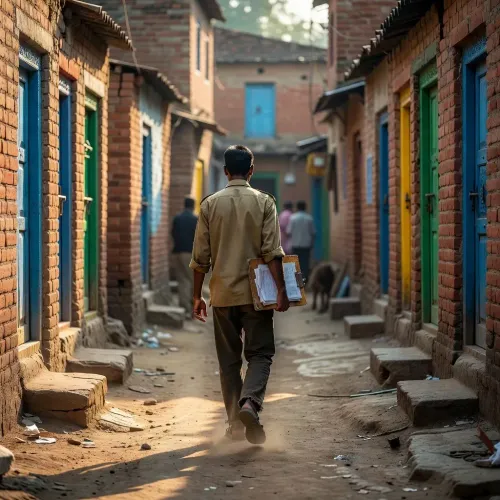
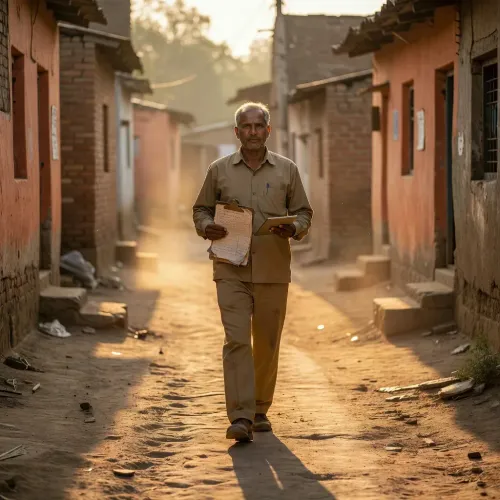
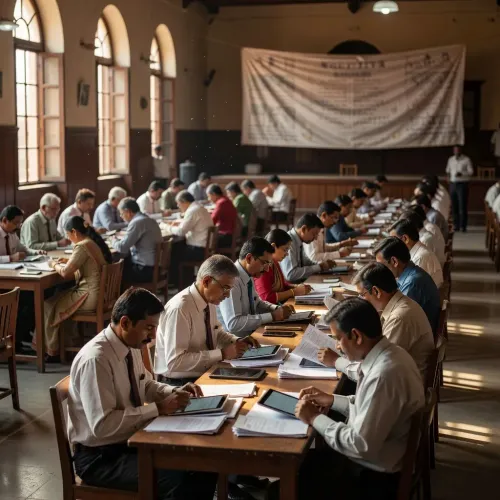
The launch marks the second phase of the campaign — the phase that matters most to ordinary households. It combines two tracks: self-enumeration, where residents can log their own data digitally, and door-to-door enumeration, where trained personnel visit homes to capture those who cannot or do not self-report. The dual-track design is specifically intended to close the coverage gaps that have historically left marginalised communities undercounted.
Accurate data from this phase will feed directly into scheme targeting — from food security entitlements to housing and health programmes — as well as future decisions on resource allocation between states.
The census is only as good as its last mile. UP's launch from Lucknow sets the pace — and the pressure is now on every enumerator, in every district, to match it.
Point of View
Anchoring the digital census launch in Lucknow lets CM Yogi position his administration at the forefront of a national governance modernisation drive, reinforcing the Digital India narrative at the state level. The dual-track design — self-enumeration plus field visits — is a direct policy response to the structural undercount of marginalised communities in earlier censuses, and its success will shape scheme targeting, resource allocation, and potentially future delimitation. How comprehensively UP's enumerators execute the door-to-door phase across its 75 districts will be the real test of whether the digital-first ambition translates into on-the-ground accuracy.
NationPress
16 Nov 2026
Frequently Asked Questions
What is Jan Ganana 2027?
Jan Ganana-2027 is India's upcoming decennial census, billed as the country's first fully digital enumeration exercise. It follows the 2011 census, with the 2021 round having been postponed due to the COVID-19 pandemic.
What did CM Yogi Adityanath launch in Lucknow on November 16?
CM Yogi Adityanath launched the second phase of Jan Ganana-2027 in Uttar Pradesh, covering both self-enumeration (digital self-reporting by residents) and door-to-door census visits by trained personnel.
Why is the UP digital census launch important?
Uttar Pradesh, with a population of over 240 million, is the most populous state in India and central to national demographic statistics used for welfare scheme targeting, resource allocation, and future delimitation exercises.
What happens if someone is not counted in the census?
As CM Yogi noted at the launch, individuals not enumerated in the census are effectively excluded from government scheme benefits, since eligibility and allocation for welfare programmes are based on census data.
What is the difference between self-enumeration and door-to-door census?
Self-enumeration allows residents to register their own household data digitally, while door-to-door enumeration involves trained census personnel visiting homes to capture those who cannot or do not self-report, together reducing coverage gaps.