CM Yogi Urges UP Youth to Help Elders With Online Self-Enumeration
Synopsis
Uttar Pradesh Chief Minister Yogi Adityanath has called on the state's youth to assist parents, elders, and neighbours in completing their online self-enumeration entries, reinforcing a National Population Register data-collection drive in India's most populous state.
Key Takeaways
CM Yogi Adityanath posted on November 16, 2026 urging UP youth to use the self-enumeration facility actively.
He specifically asked young people to help parents, elders, and neighbours enter their information online.
The appeal relates to the National Population Register (NPR) self-enumeration option, which lets households submit demographic data digitally.
Uttar Pradesh, with over 240 million residents , is the largest single coverage challenge in any national enumeration exercise.
The strategy follows a recurring UP pattern: pairing central government digital tools with state-level mobilisation to maximise citizen participation.
District-level completion rates and Registrar General of India deadlines will be key markers to watch.
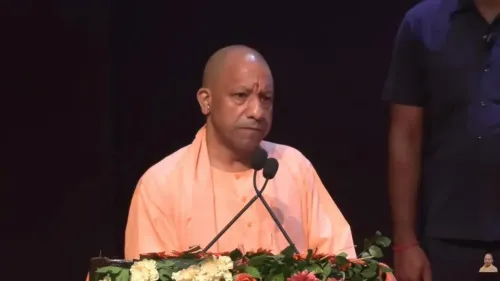
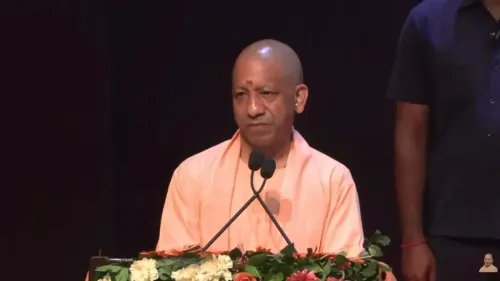
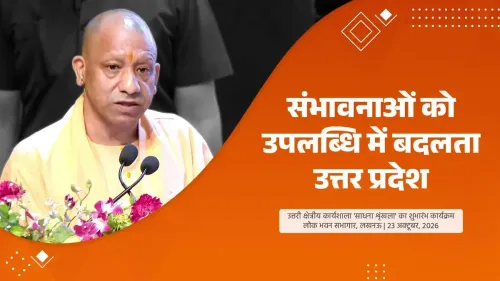
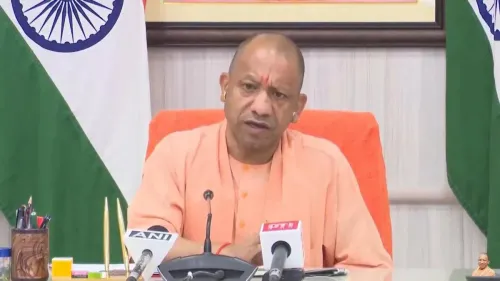
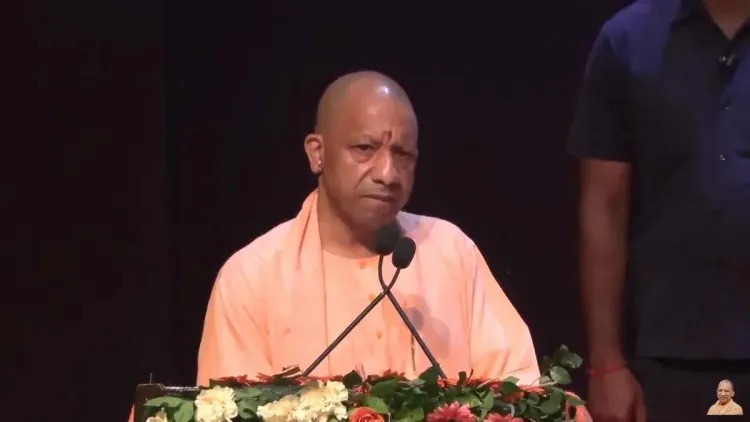
India's most populous state is asking its youngest citizens to become the digital bridge for its oldest ones. Uttar Pradesh Chief Minister Yogi Adityanath, on Monday, November 16, 2026, made a direct appeal on X to the state's youth to step up and help parents, elders, and neighbours complete their online self-enumeration entries.
Posting in Hindi, CM Yogi wrote: 'युवा साथियों से अपील करता हूं, स्व-गणना की सुविधा का बेहतरीन उपयोग करें... अपने माता-पिता, बुजुर्गों, पड़ोसियों की Online जानकारी दर्ज करने में सहायता करें...' — translating to: 'I appeal to my young friends: make the best use of the self-enumeration facility... Help enter the online information of your parents, elders, and neighbours.'
What Self-Enumeration Means — and Why It Matters in UP
The self-enumeration option allows citizens to register their own household demographic details digitally, reducing the burden on field enumerators and improving data accuracy. The National Population Register (NPR), maintained by the Registrar General of India, relies on such periodic updates to keep a credible register of usual residents — feeding into planning for welfare delivery, infrastructure, and resource allocation across the country.
Uttar Pradesh, home to over 240 million people, is the single largest coverage challenge in any national enumeration exercise. Even a marginal gap in participation here can skew national-level data meaningfully. That scale is precisely why a chief ministerial nudge carries operational weight.
Youth as the Last Mile for a Digital Push
The appeal is a calculated one. Elderly and rural residents — often the least comfortable with smartphones and online portals — are also the most likely to be missed in self-enumeration drives. By positioning the youth as 'digital helpers' for their own families and neighbourhoods, the call converts a civic duty into a community act, lowering the psychological barrier to participation.
Uttar Pradesh has repeatedly used similar mobilisation strategies — combining central government directives with visible state-level amplification — to drive coverage in schemes ranging from vaccination campaigns to welfare enrolment. The pattern is consistent: a top-down mandate, a digital tool, and a local champion.
What to Watch as the Drive Progresses
District-level enumeration completion rates across Uttar Pradesh's 75 districts will be the real test of how effectively this appeal translates into action. Any follow-up directives from the Registrar General of India on data submission deadlines will determine how much runway residents — and their young helpers — still have.
A state that gets its enumeration right does not just serve its own planning needs; it anchors the credibility of India's national data infrastructure for the decade ahead.
Point of View
Enumeration coverage is not an administrative formality; it directly shapes the state's share in Union resource allocation and welfare-scheme targeting for the next decade. Yogi Adityanath's framing of youth as 'helpers' rather than merely 'participants' is deliberate: it makes digital literacy a social virtue, not an individual task. Watch whether this translates into measurable district-level gains, which would validate the model for future drives.
NationPress
16 Nov 2026
Frequently Asked Questions
What is the self-enumeration facility CM Yogi Adityanath is referring to?
The self-enumeration facility allows citizens to enter their own household's demographic details online, without waiting for a field enumerator to visit. It is linked to the National Population Register update process managed by the Registrar General of India.
Why is CM Yogi asking youth specifically to help with self-enumeration?
Elderly and rural residents are often less comfortable with smartphones and digital portals. By asking youth to assist parents, elders, and neighbours, the appeal ensures that less digitally-literate citizens are not missed in the enumeration drive.
What is the National Population Register (NPR)?
The National Population Register is a register of usual residents of India maintained by the Registrar General of India. It is updated periodically and collects demographic and biometric information used for planning and governance.
How significant is Uttar Pradesh's participation in the national enumeration process?
Uttar Pradesh, with over 240 million residents, is the most populous state in India and the largest single coverage challenge in any national enumeration exercise. Its participation rates significantly affect the credibility of national-level data.
Where can UP residents access the self-enumeration portal?
The self-enumeration option is available through the official mobile application and portal designated by the Registrar General of India. Residents should check official government sources for the current link and submission deadline.