CM Yogi Launches UP's First Forestry & Horticulture University
Synopsis
Uttar Pradesh establishes its first university dedicated to forestry and horticulture, with CM Yogi Adityanath calling it a landmark initiative for higher education, environmental conservation, and job creation for rural youth across the state.
Key Takeaways
Uttar Pradesh has established its first-ever university dedicated to forestry and horticulture , a first for the state.
CM Yogi Adityanath announced the development on 19 November 2026 , calling it a major step for higher education, environmental conservation, and agricultural development.
The university is expected to contribute to environmental conservation, agricultural growth, and youth employment generation in UP.
The initiative fits a pattern of the UP government creating sector-specific universities to link degrees directly to employment and state development needs.
Key details — including the university's name, location, funding, and academic programs — are yet to be officially confirmed.
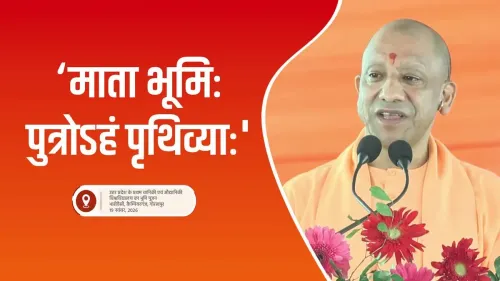
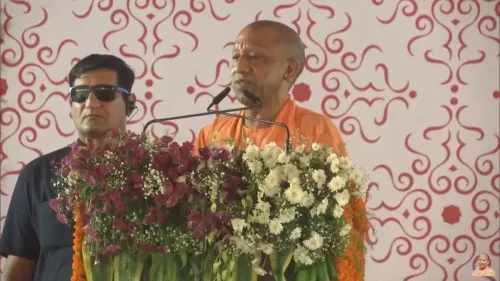
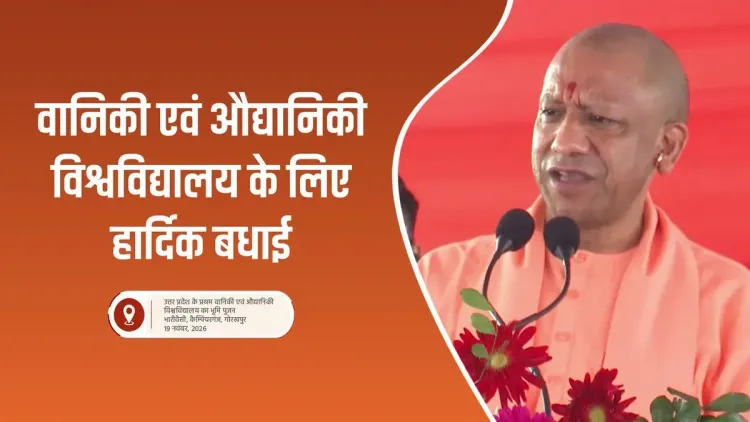
Uttar Pradesh just wrote a new chapter in specialised higher education. The Chief Minister's Office of Uttar Pradesh announced on Thursday, 19 November 2026, that the state's first-ever university dedicated to forestry and horticulture has been established — a move Chief Minister Yogi Adityanath described as giving 'new direction to higher education, environmental conservation, and agricultural development' across the state.
A First for UP's Higher Education Map
Uttar Pradesh — India's most populous state and one of its largest agricultural economies — has long run a network of general and technical universities. What it did not have, until now, was a dedicated institution binding the science of forests and orchards to formal academic inquiry. The Chief Minister's Office post, attributed directly to CM Yogi Adityanath, extended congratulations to 'all residents of the state' and outlined three pillars the university is expected to serve: paryavaran sanrakshan, krishi vikas aur yuvaon ke liye rozgar srijan — environmental conservation, agricultural development, and job creation for youth.
Where Forests, Farms, and Futures Converge
The strategic logic is straightforward. Uttar Pradesh commands vast agricultural land, a large rural workforce, and an ongoing mandate to green its environment. A forestry and horticulture university slots directly into that matrix — training specialists in fruit cultivation, timber management, agroforestry, and ecosystem services at a time when both climate stress and rural unemployment demand precisely that expertise. The Yogi government has form here: it has consistently pursued sector-specific universities — in sports, technology, and agriculture — as instruments of linking degrees to employable skills rather than leaving graduates stranded between generalist qualifications and market demand.
What Youth and Farmers Stand to Gain
The two stakeholder groups named most directly in the announcement are youth and farmers. For farmers, particularly those engaged in orchards, horticulture belts, and plantation forestry, an institution generating trained agronomists, horticulturists, and forest scientists means better-informed extension services and a potential pipeline of skilled workers into the sector. For young people in rural UP, it opens a credentialed path into one of agriculture's most technically demanding — and comparatively underserved — specialisations.
Key details — the university's exact name, physical location, governing structure, funding model, and opening academic calendar — are yet to be officially confirmed and will be watched closely as the government moves from announcement to implementation.
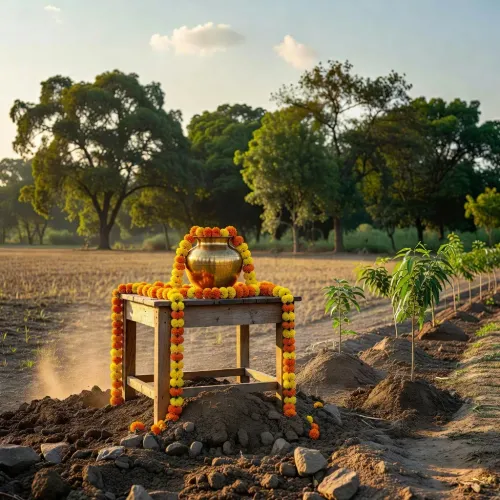
UP has just planted a seed that could reshape how an entire generation farms, conserves, and thinks about the land beneath its feet.
Point of View
Horticulture — that are economically vital but historically under-resourced in higher education, the government is signalling that environmental goals and agricultural productivity are not competing priorities but reinforcing ones. The move also carries electoral logic: UP's vast rural base, particularly farmers and young job-seekers, are the precise constituencies this university is designed to serve. The announcement-to-implementation gap will be the real test — the credibility of the initiative depends on how quickly the state names the location, secures funding, and fills seats.
NationPress
19 Nov 2026
Frequently Asked Questions
What is the new forestry and horticulture university in Uttar Pradesh?
It is the first university in Uttar Pradesh dedicated entirely to forestry and horticulture sciences, announced by CM Yogi Adityanath's office on 19 November 2026 to advance higher education, environmental conservation, and agricultural development in the state.
Where will UP's first forestry and horticulture university be located?
The exact location of the university has not been officially confirmed yet. Details including its name, campus, funding, and academic programs are still awaited.
What are the goals of the new horticulture university in UP?
According to the Chief Minister's Office, the university aims to promote environmental conservation, support agricultural development, and create employment opportunities for the youth of Uttar Pradesh.
Who will benefit from UP's new forestry university?
The primary beneficiaries are expected to be young people seeking specialised agricultural and environmental careers, as well as farmers who will gain access to better-trained professionals and extension services in horticulture and forestry.
How does this university fit into Yogi Adityanath's education policy?
The Yogi government has consistently established sector-specific universities in UP to align higher education with employment and state development priorities. This forestry and horticulture university continues that pattern, targeting the rural agricultural economy.