CM Yogi links UP's Sun Dynasty to Japan's spiritual faith
Synopsis
CM Yogi Adityanath declared Uttar Pradesh the 'Land of the Sun Dynasty,' drawing a civilisational parallel with Japan's solar mythology and arguing that Japan's path of faith runs through UP's ancient pilgrimage heartland.
Key Takeaways
CM Yogi Adityanath posted on 7 October 2026 linking Japan's identity as the 'Land of the Rising Sun' to UP's status as the 'Land of the Sun Dynasty.' The Suryavansha (Sun Dynasty) reference connects directly to Ayodhya , birthplace of Lord Ram, situated in Uttar Pradesh.
Japanese imperial mythology also traces origins to the sun goddess Amaterasu , providing a shared symbolic foundation.
Key Buddhist pilgrimage sites for Japanese devotees — Sarnath and Kushinagar — are both located in Uttar Pradesh.
The statement aligns with UP's push to position itself as a global spiritual and religious tourism hub following the Ram Mandir consecration in January 2024 .
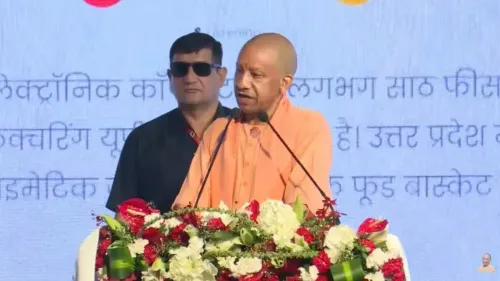
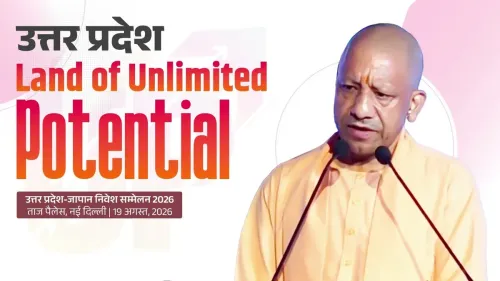
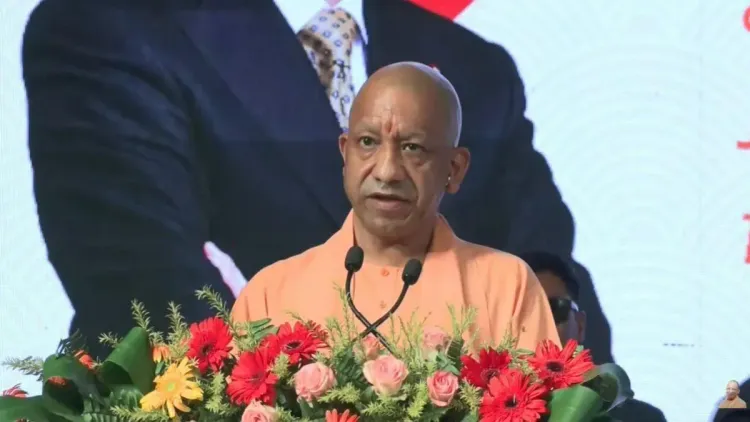
Two nations, one ancient thread — Uttar Pradesh Chief Minister Yogi Adityanath drew a striking civilisational parallel on Wednesday, 7 October 2026, connecting Japan — the famed 'Land of the Rising Sun' — to Uttar Pradesh, which he described as the 'Land of the Sun Dynasty,' arguing that Japan's path of faith runs directly through the heartland of India.
In his post, CM Yogi wrote: 'जापान Land of the Rising Sun है और उत्तर प्रदेश Land of the Sun Dynasty है... जापान की आस्था का रास्ता उत्तर प्रदेश से होकर गुजरता है...' — translating to: 'Japan is the Land of the Rising Sun and Uttar Pradesh is the Land of the Sun Dynasty... Japan's path of faith passes through Uttar Pradesh.'
The Sun Dynasty connection: Ayodhya at the heart of it
The reference to the Sun Dynasty — known in Sanskrit as the Suryavansha — points directly to Ayodhya, the ancient city in Uttar Pradesh revered as the birthplace of Lord Ram, who belongs to this solar lineage in Hindu tradition. The connection to Japan is not arbitrary: Japanese imperial mythology also traces its origins to the sun goddess Amaterasu, and the country's very name, Nihon, means 'origin of the sun.'
Beyond mythology, there is a documented living bond. A significant number of Japanese Buddhists hold deep reverence for sites across Uttar Pradesh — most notably Sarnath near Varanasi, where the Buddha delivered his first sermon, and Kushinagar, where he attained Mahaparinirvana. These are among the most visited pilgrimage destinations for Japanese Buddhist communities worldwide.
Pilgrimage diplomacy and UP's growing global pitch
CM Yogi's framing taps into a broader statecraft logic: positioning Uttar Pradesh not merely as a domestic political unit but as a civilisational crossroads with global spiritual relevance. The state government has in recent years aggressively developed its religious tourism infrastructure — from the transformation of the Kashi Vishwanath Corridor in Varanasi to the consecration of the Ram Mandir in Ayodhya in January 2024 — aiming to attract pilgrims and tourists from across Asia, including Japan, South Korea, Sri Lanka, and Thailand.
Japan, for its part, has long maintained deep people-to-people ties with India's Buddhist circuit. The idea that Japan's aastha — faith — finds its source in Uttar Pradesh carries weight both culturally and diplomatically, especially as India courts stronger ties with Tokyo across trade, defence, and soft power.
A civilisational bond encoded in shared sunlight — and now, in a chief minister's 280 characters — is the kind of narrative that travels far beyond state borders.
Point of View
Weaving Hindu and Buddhist heritage into a single civilisational narrative that elevates Uttar Pradesh's standing far beyond its domestic identity. By invoking Japan's solar mythology alongside the Suryavansha lineage, he appeals simultaneously to Hindu pride domestically and to Japan's Buddhist pilgrimage economy internationally. The timing, coming as Uttar Pradesh ramps up its post-Ram Mandir global outreach, signals that Lucknow is consciously positioning itself as an axis of Asian spiritual heritage. It is statecraft dressed as cultural pride — and it travels well.
NationPress
7 Oct 2026
Frequently Asked Questions
Why did CM Yogi call Uttar Pradesh the 'Land of the Sun Dynasty'?
CM Yogi was referring to the Suryavansha, or Sun Dynasty, to which Lord Ram belongs in Hindu tradition. Ayodhya, Ram's birthplace, is in Uttar Pradesh, making the state central to this solar lineage.
What is the connection between Japan and Uttar Pradesh?
Both Japan and Uttar Pradesh share solar symbolism — Japan's name means 'origin of the sun' and its imperial mythology centres on the sun goddess Amaterasu. UP also hosts major Buddhist pilgrimage sites like Sarnath and Kushinagar that draw large numbers of Japanese devotees.
What did CM Yogi Adityanath say about Japan's faith?
He said 'Japan's path of faith passes through Uttar Pradesh,' pointing to the ancient Buddhist pilgrimage circuit within the state as a spiritual bridge between the two nations.
Which Buddhist sites in UP attract Japanese pilgrims?
Sarnath near Varanasi, where the Buddha delivered his first sermon, and Kushinagar, the site of the Buddha's Mahaparinirvana, are among the most revered destinations for Japanese Buddhist pilgrims in Uttar Pradesh.
How does this statement relate to UP's religious tourism push?
Uttar Pradesh has been aggressively developing its religious tourism infrastructure — including the Kashi Vishwanath Corridor and the Ram Mandir in Ayodhya — to attract Asian pilgrims. CM Yogi's Japan reference fits this broader effort to market UP as a global spiritual destination.