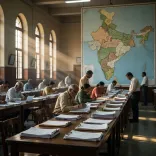
CM Yogi Marks Census-2027 Phase Two Launch in UP
Synopsis
Chief Minister Yogi Adityanath has welcomed the launch of Census-2027's second phase in Uttar Pradesh, calling the upcoming demographic data essential for building a concrete development action plan for India's most populous state.
Key Takeaways
CM Yogi Adityanath formally congratulated all Uttar Pradesh residents on the commencement of the second phase of Census-2027 on 16 November 2026 .
The last census data available to UP planners dates from 2011 , making this exercise a critical reset after a 15-year data gap.
The second phase typically covers house-listing and housing census operations , the foundation for the full population enumeration to follow.
Uttar Pradesh , with 75 districts and approximately 240 million residents , is one of the most complex enumeration challenges in India.
Census figures will directly inform welfare entitlements, district boundary decisions, and infrastructure investment priorities for the next decade.
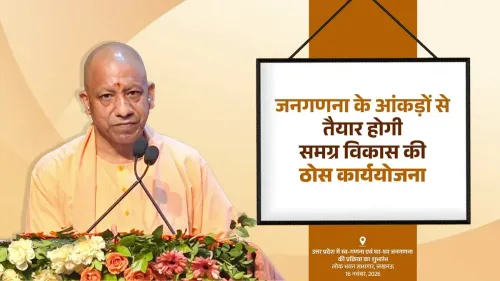
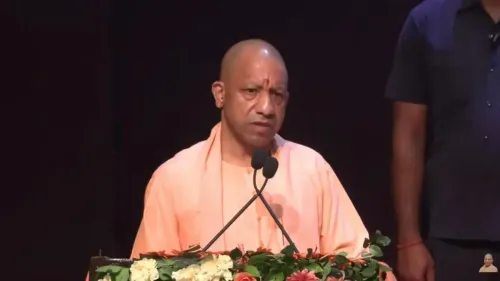
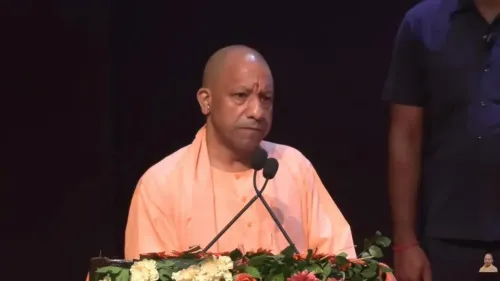
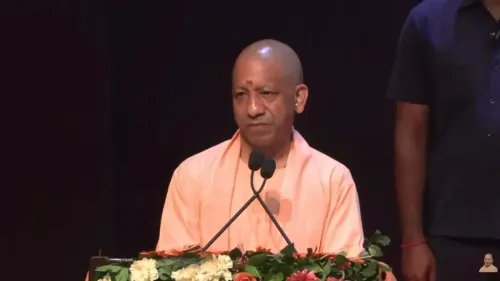
India's most populous state has officially stepped into the next phase of its long-awaited demographic reckoning. On Monday, 16 November 2026, the Chief Minister's Office of Uttar Pradesh announced that Chief Minister Yogi Adityanath extended warm congratulations to all residents of the state on the commencement of the second phase of Census-2027, calling it 'extremely important for all of us.'
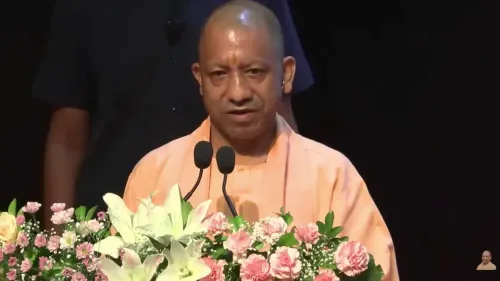
Posting on behalf of CM Yogi Adityanath, the official CMO account quoted him as saying: 'जनगणना-2027 हम सभी के लिए अत्यंत महत्वपूर्ण है' — 'Census-2027 is extremely important for all of us.' He added that the data gathered through the exercise will play a 'significant role in preparing a concrete and effective action plan for the holistic development of the state.'
Why This Census Carries Extra Weight
The last comprehensive national headcount Uttar Pradesh — and the rest of India — has officially relied upon dates back to 2011. The subsequent census, originally scheduled for 2021, was deferred repeatedly, leaving planners, district administrators, and welfare agencies working off data that is now fifteen years old. For a state of UP's scale — home to roughly 240 million people and dozens of rapidly urbanising districts — that gap is not a footnote. It is a planning crisis.
Fresh census figures feed directly into how the state redraws district boundaries, recalibrates entitlements under flagship welfare programmes, and prioritises infrastructure investment. Every beneficiary list, every road-budget formula, every school-construction target has been running on stale demographic assumptions. Census-2027 resets that baseline.
What the Second Phase Actually Involves
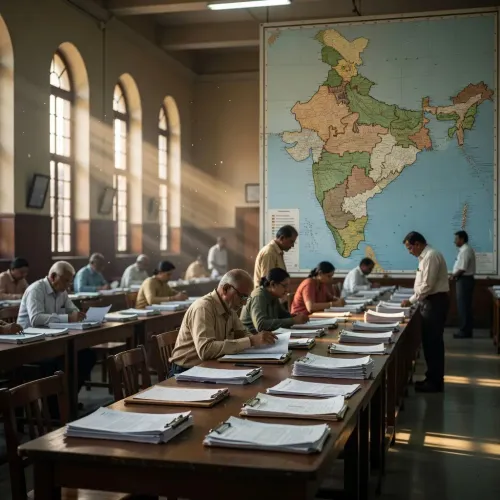
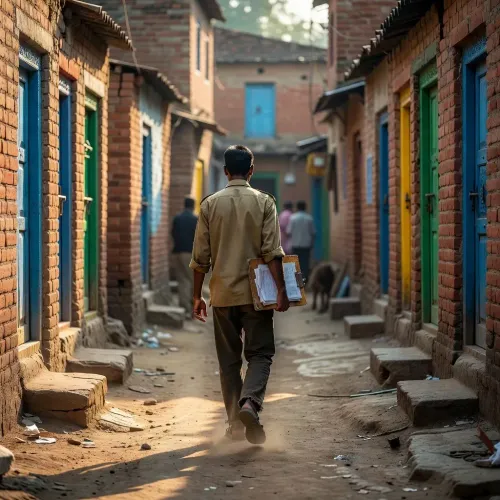
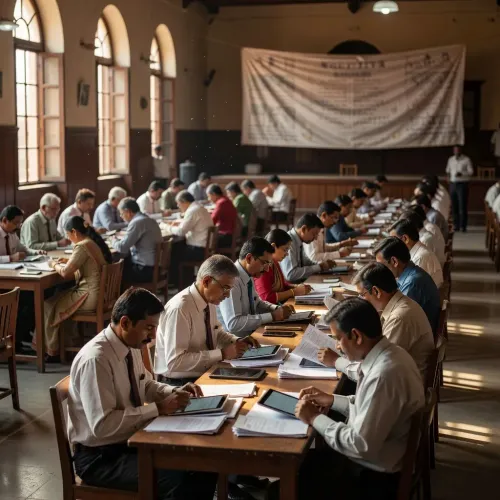
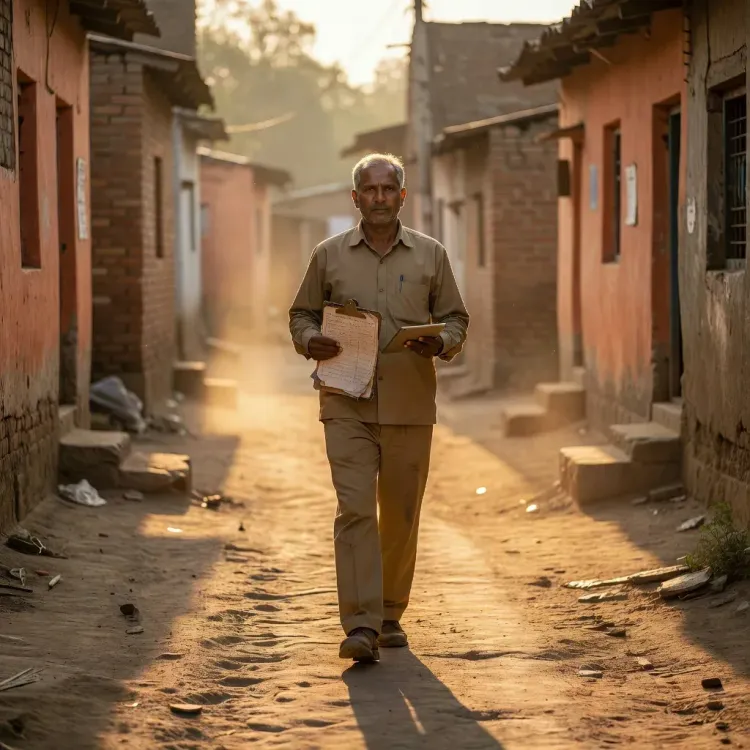
In a standard Indian census sequence, the second phase typically involves house-listing and housing census operations — the ground-level enumeration that maps dwellings, households, and basic amenities before the full population count begins. It is the operational backbone of the entire exercise, and its launch signals that the administrative machinery has moved from preparation to active field work.
Uttar Pradesh, with its 75 districts, dense rural belts, and sprawling urban corridors from Lucknow to Prayagraj and Noida, presents one of the most logistically complex enumeration challenges in the country. Getting the second phase right is not procedural box-ticking — it determines the accuracy of every policy decision that follows for the next decade.
Data That Will Shape a Decade of Development Plans
State planners are watching closely for the first provisional results, which will feed into revised district development plans and potentially trigger updates to flagship schemes targeting rural housing, nutrition, education, and sanitation. CM Yogi Adityanath, who has anchored much of his governance pitch on measurable delivery, now has a credible data instrument to both set and audit targets at scale.
Fifteen years of demographic silence ends here. The numbers collected in the months ahead will draw the map of Uttar Pradesh's next chapter — and the state's political and administrative class knows it.
Point of View
Fresh demographic data is both an administrative necessity and a political opportunity — it provides the baseline against which his government's development claims can be audited and future targets anchored. The long delay in holding the census had quietly undermined welfare delivery across the country, with entitlement lists and infrastructure formulae running on demographic assumptions that predate a generation of migration, urbanisation, and social change. How quickly UP translates raw census data into revised development plans will be a litmus test of its administrative capacity.
NationPress
16 Nov 2026
Frequently Asked Questions
What is Census-2027 and why was it delayed?
Census-2027 is India's next decennial population count, originally scheduled for 2021 but repeatedly deferred. It follows the 2011 census, leaving a 15-year gap in comprehensive national demographic data.
What happens during the second phase of the census?
The second phase typically involves house-listing and housing census operations, where enumerators map dwellings and households — the foundational step before the full population count begins.
Why is Census-2027 important for Uttar Pradesh?
UP is India's most populous state with roughly 240 million people. Fresh data will help the state recalibrate welfare entitlements, redraw district boundaries, and prioritise infrastructure spending more accurately.
What did CM Yogi Adityanath say about Census-2027?
CM Yogi called Census-2027 'extremely important for all of us' and said the data collected will play a significant role in preparing a concrete and effective action plan for the holistic development of Uttar Pradesh.
How will census data affect welfare schemes in UP?
Census data is used to update beneficiary lists for flagship programmes covering housing, nutrition, education, and sanitation, and feeds into district-level development plans for the following decade.