CM Yogi Flags UP's Census-2027 Stakes for India
Synopsis
CM Yogi Adityanath has spotlighted Census-2027's critical importance for Uttar Pradesh, noting one in six Indians lives in the state. With the 2021 census delayed by COVID-19, the upcoming headcount will shape welfare targeting, fund devolution, and parliamentary delimitation for India's most populous state.
Key Takeaways
Uttar Pradesh is India's most populous state, home to every sixth Indian and every 36th person on Earth, according to CM Yogi.
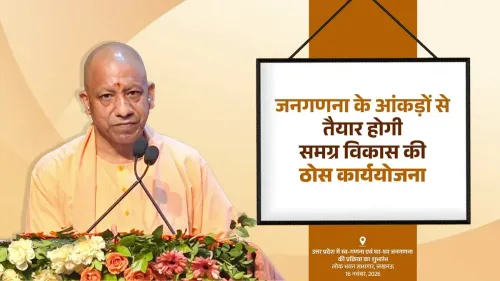
The Chief Minister's Office of UP quoted CM Yogi Adityanath on November 16, 2026 , underscoring the state's demographic stakes in Census-2027 .
India's last completed census was in 2011 ; the 2021 round was postponed due to the COVID-19 pandemic, leaving a 15-year-old data baseline in use.
Census data drives central fund devolution, welfare scheme targeting, and eventual parliamentary seat delimitation — all of which UP's outsized population directly influences.
Uttar Pradesh already holds 80 Lok Sabha seats , the highest of any state, making accurate enumeration politically consequential at the national level.
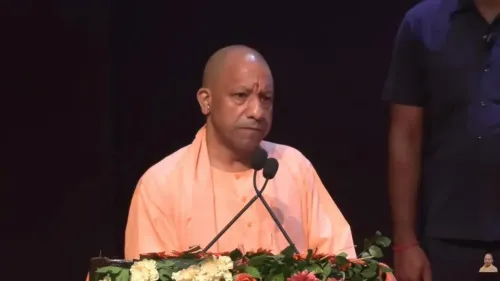
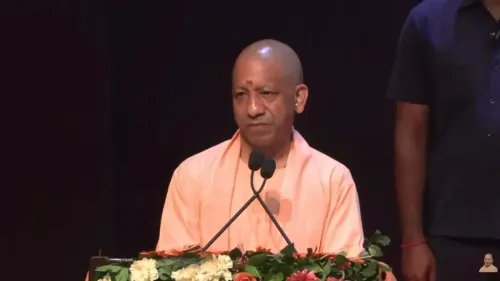
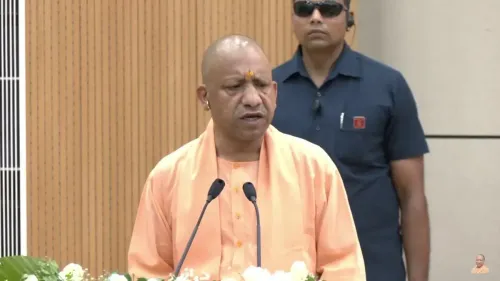
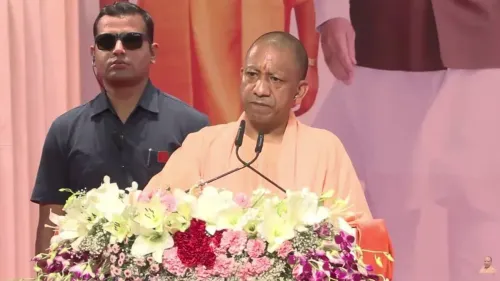
One in every six Indians lives in Uttar Pradesh — and that single demographic fact is exactly why Chief Minister Yogi Adityanath is sounding the bell on Census-2027. The Chief Minister's Office of Uttar Pradesh posted on Monday, November 16, 2026, quoting CM Yogi on the outsized significance of the upcoming national headcount for India's most populous state.
Citing the state's sheer demographic weight, CM Yogi stated: 'उत्तर प्रदेश देश का सर्वाधिक आबादी वाला राज्य है।' ('Uttar Pradesh is the country's most populous state.'). He added that every sixth person in India and every 36th person in the world resides in UP — making the Census-2027 exercise all the more consequential.
Why UP's Population Weight Changes the Census Equation
Uttar Pradesh recorded over 200 million residents in the 2011 Census — the last completed national enumeration. No state comes close. That scale means errors, delays, or methodology gaps in UP's count ripple outward into national welfare data, fund-allocation formulas, and eventually parliamentary seat delimitation.
India's decennial census, administered by the Registrar General of India, forms the backbone of how the central government apportions resources across states. The larger a state's population share, the larger its claim on central transfers — and UP's share is the largest in the country, full stop.
A Census Round Already Running Late
The upcoming exercise carries extra weight because the previous round was delayed. The 2021 Census — which should have delivered fresh demographic data five years ago — was postponed due to the COVID-19 pandemic, leaving planners and policymakers working off a fifteen-year-old baseline. That gap has real costs: welfare schemes targeting the poor, the young, and migrant workers have all been calibrated on data that is now two population cycles out of date.
With Census-2027 approaching, state governments are expected to ramp up coordination with central enumerators. CM Yogi's public emphasis on the exercise signals that Lucknow intends to treat the headcount as an administrative priority — not a routine formality.
Delimitation Shadow Looming Behind the Numbers
There is a bigger political subtext here. Fresh census data will eventually feed into the next delimitation exercise — the redrawing of Lok Sabha and state assembly constituencies based on updated population figures. Uttar Pradesh, with 80 Lok Sabha seats already the highest of any state, stands to have its federal weight re-examined. How the census counts — and who it counts — will shape India's political map for a generation. That is not a routine administrative update. That is a defining moment for federal India.
The numbers will be collected. The question is how precisely — and UP, more than any other state, cannot afford a miss.
Point of View
Not passive, participant in the enumeration process, particularly as delimitation debates simmer in the background. For a state that consistently argues it is under-served relative to its population, a credible and comprehensive census is not just governance — it is leverage.
NationPress
16 Nov 2026
Frequently Asked Questions
Why is Census-2027 important for Uttar Pradesh?
Uttar Pradesh is India's most populous state, home to over 200 million people. An accurate Census-2027 will determine UP's share of central funds, welfare scheme targeting, and eventually influence parliamentary seat delimitation — making the headcount especially consequential for the state.
Why was India's census delayed from 2021?
The decennial Census of India, originally scheduled for 2021, was postponed because of disruptions caused by the COVID-19 pandemic. India has been operating on 2011 census data ever since, and the next round is now expected around 2027.
What did CM Yogi Adityanath say about Uttar Pradesh's population?
CM Yogi stated that Uttar Pradesh is India's most populous state, with every sixth Indian and every 36th person in the world residing there, and that this scale makes the upcoming Census-2027 exercise especially significant.
How does the census affect Lok Sabha seats for Uttar Pradesh?
Census data forms the basis of delimitation — the redrawing of parliamentary and assembly constituencies. UP already holds 80 Lok Sabha seats, the most of any state. Fresh population data from Census-2027 could influence whether that number changes in the next delimitation exercise.
Who conducts the Census of India?
The Census of India is conducted by the Office of the Registrar General and Census Commissioner of India, under the Union Home Ministry. State governments coordinate logistics and facilitate the enumeration on the ground.