CM Yogi: Mathura-Vrindavan now draws the whole world
Synopsis
Chief Minister Yogi Adityanath has declared that Mathura-Vrindavan's transformed, grand form is now attracting global interest, underlining Uttar Pradesh's sustained push to develop Braj as a world-class pilgrimage and heritage destination.
Key Takeaways
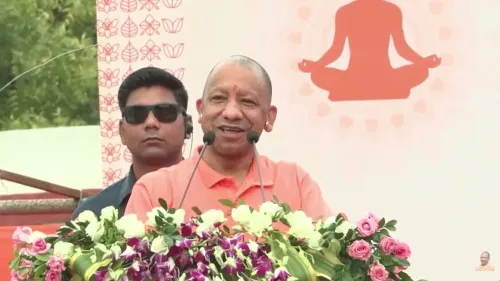
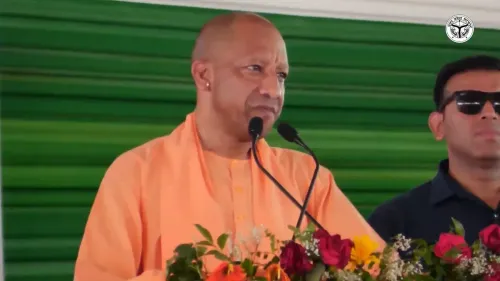
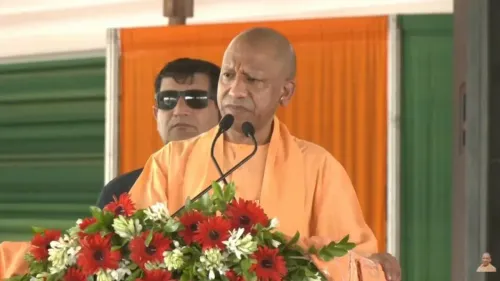
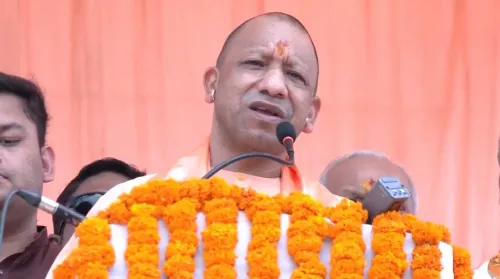
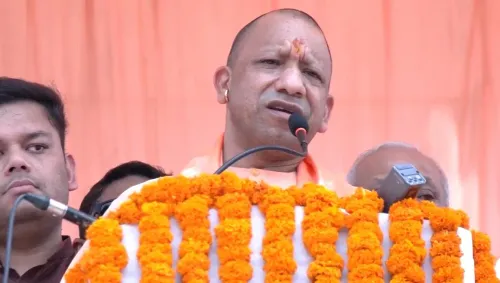
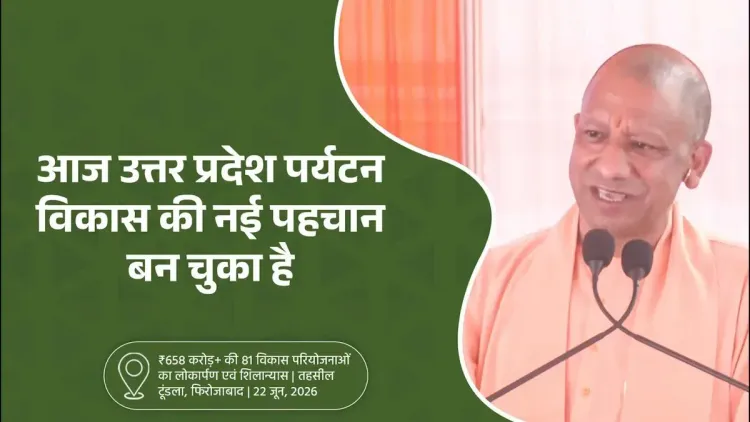
The Chief Minister's Office of Uttar Pradesh quoted CM Yogi Adityanath on 22 June 2026 saying Mathura-Vrindavan is now drawing the entire world's attention.
Mathura is revered as the birthplace of Lord Krishna; Vrindavan is associated with his early life and hosts hundreds of historic temples.
The state government set up the Braj Teerth Vikas Parishad to coordinate heritage development and pilgrim infrastructure across the region.
The Mathura-Vrindavan push follows a similar corridor-led model applied at Varanasi and Ayodhya .
Key beneficiaries include religious pilgrims, local traders, and international Vaishnava communities with a presence in Vrindavan.
The Chief Minister's Office of Uttar Pradesh, citing Chief Minister Yogi Adityanath, declared on Monday, 22 June 2026 that Mathura-Vrindavan in its expanded, transformed form is now attracting global attention, positioning the twin pilgrimage cities as a centrepiece of the state's religious tourism ambitions.
Context
The post quotes CM Yogi Adityanath directly: 'Aaj Uttar Pradesh mein Mathura-Vrindavan ka vrihad swaroop poori duniya ko apni or aakarshit kar raha hai' — 'Today, the grand form of Mathura-Vrindavan in Uttar Pradesh is attracting the entire world towards itself.' The statement signals the government's confidence that infrastructure and heritage upgrades in the Braj region have reached a scale visible on the international stage.
Mathura is revered across the Vaishnava world as the birthplace of Lord Krishna, while the adjoining town of Vrindavan is associated with Krishna's early life and is home to hundreds of historic temples and ashrams. Together they form one of the most visited pilgrimage circuits in South Asia.
Policy Backdrop
The Uttar Pradesh government established the Braj Teerth Vikas Parishad to coordinate and accelerate development works across the Mathura-Vrindavan belt. The body oversees beautification, road widening, ghats restoration, and pilgrim amenity projects spread across the Braj region.
This effort is part of a broader, consistent state policy of upgrading temple towns through corridor projects, urban renewal, and improved connectivity — a template first applied at Varanasi with the Kashi Vishwanath Corridor and subsequently at Ayodhya. The stated goal across all three sites has been to increase domestic and international footfall while preserving the heritage character of each city.
Stakeholders and Impact
The primary beneficiaries of an elevated Mathura-Vrindavan profile are the millions of religious pilgrims — domestic and diaspora — who visit the Braj circuit each year. Improved infrastructure directly affects the local economy of the region, spanning hoteliers, priests, artisans, and transport operators.
International Vaishnava communities, particularly those with roots in ISKCON and other Krishna-bhakti traditions, have long maintained a presence in Vrindavan, making the city's global draw a longstanding reality that the current government is seeking to amplify through state investment.
What's Next
Observers will watch for the completion timelines and inauguration events tied to ongoing infrastructure works in the Mathura-Vrindavan corridor, as well as official tourism department data on visitor arrivals that would quantify the 'global attraction' the Chief Minister references. Any formal launch event or corridor inauguration in the region is likely to carry significant political and cultural weight ahead of future electoral cycles in Uttar Pradesh.
Point of View
The Chief Minister frames infrastructure spending in the Braj region not merely as local development but as nation-branding — a narrative consistent with how Varanasi and Ayodhya have been positioned. The repeated invocation of international appeal also serves a domestic political purpose, signalling to the state's large Hindu voter base that cultural heritage is being actively elevated. Whether visitor-arrival data and completed project timelines will substantiate the claim remains the key empirical question.
NationPress
22 Jun 2026
Frequently Asked Questions
Why is Mathura-Vrindavan important in Hinduism?
Mathura is revered as the birthplace of Lord Krishna, one of the most widely worshipped deities in Hinduism, while Vrindavan is associated with Krishna's childhood and early divine acts, making both cities central to Vaishnava pilgrimage tradition.
What is the Braj Teerth Vikas Parishad?
The Braj Teerth Vikas Parishad is a body established by the Uttar Pradesh government to plan and coordinate heritage conservation, infrastructure upgrades, and pilgrim amenities across the Mathura-Vrindavan and broader Braj region.
What has CM Yogi Adityanath said about Mathura-Vrindavan?
CM Yogi Adityanath stated that Mathura-Vrindavan's grand, expanded form is today attracting the attention of the entire world, reflecting the state government's confidence in the impact of its development investments in the Braj circuit.
How does Mathura-Vrindavan development compare to Varanasi and Ayodhya?
The Uttar Pradesh government has applied a similar corridor and urban-renewal model across all three cities — Varanasi received the Kashi Vishwanath Corridor, Ayodhya saw major redevelopment, and Mathura-Vrindavan is being upgraded through the Braj Teerth Vikas Parishad with the same goal of boosting pilgrimage tourism.
Who benefits from Mathura-Vrindavan's development?
Religious pilgrims, local traders, hoteliers, temple priests, artisans, and international Vaishnava communities — particularly those connected to ISKCON — are among the primary stakeholders who benefit from improved infrastructure and higher visitor footfall in the region.