CM Yogi attends 'Namo Seva Ankahi Kahaniyaan' in Lucknow
Synopsis
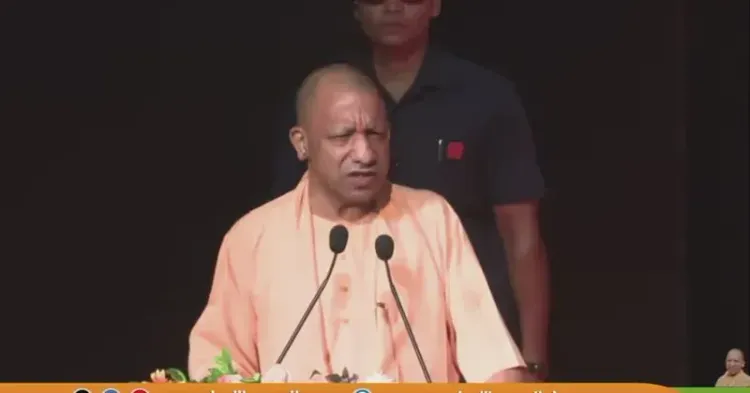
Uttar Pradesh Chief Minister Yogi Adityanath participated in the 'Namo Seva Ankahi Kahaniyaan' programme in Lucknow on 2 October 2026, an event under the BJP's 'Seva Sankalp Abhiyan' that spotlights first-person welfare-scheme beneficiary stories.
Key Takeaways
CM Yogi Adityanath attended the 'Namo Seva Ankahi Kahaniyaan' event in Lucknow on 2 October 2026 .
The programme is part of the Seva Sankalp Abhiyan , a BJP-led grassroots welfare outreach drive.
The 'Ankahi Kahaniyaan' format centres beneficiary testimonials over official statistics.
The event was held on Gandhi Jayanti , adding symbolic weight to the service-focused theme.
CM Yogi's personal participation signals the senior-leadership priority placed on welfare communication in Uttar Pradesh .
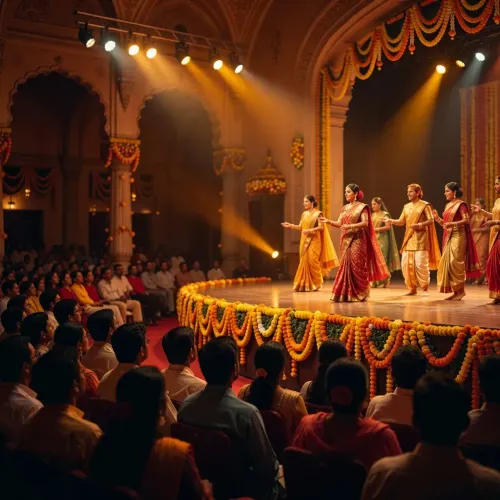
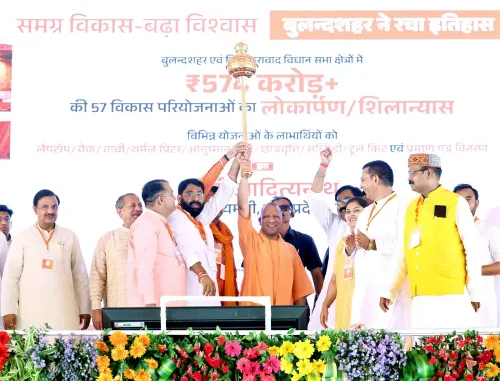
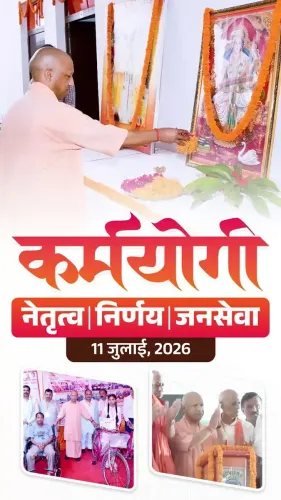
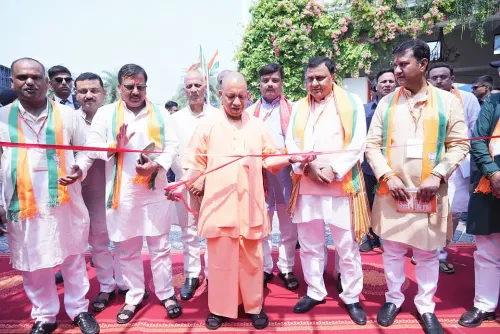
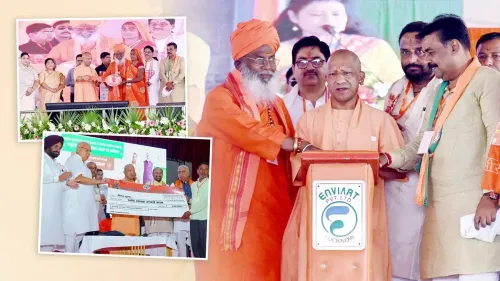
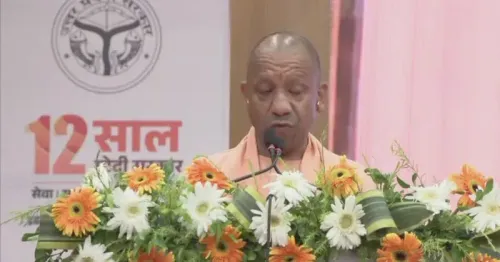
Stories that rarely reach a headline took centre stage in Lucknow on Friday, 2 October 2026, as Uttar Pradesh Chief Minister Yogi Adityanath participated in the 'Namo Seva Ankahi Kahaniyaan' ('Unheard Stories of Namo Seva') programme, held under the 'Seva Sankalp Abhiyan' ('Service Resolve Campaign').
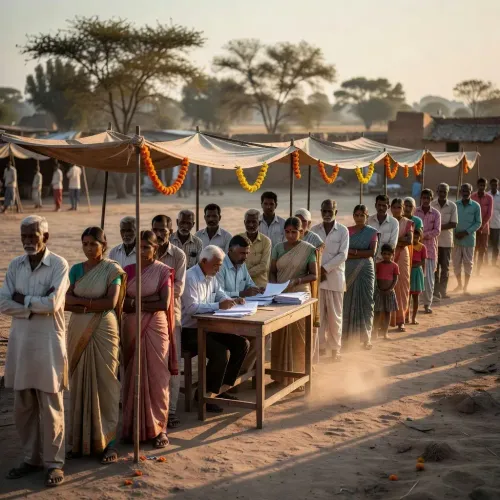
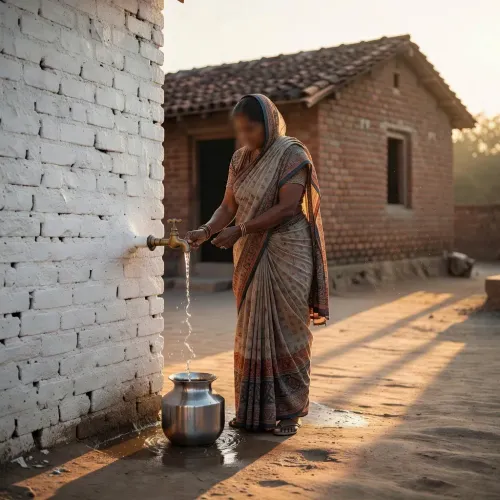
The event, organised in Lucknow, brought together beneficiaries of government welfare schemes to share their personal accounts — the ground-level, human experiences behind policy numbers that formal reports rarely capture.
'Seva Sankalp Abhiyan' and the push to put people at the centre
The Seva Sankalp Abhiyan is a BJP-led outreach drive designed to connect party workers and public representatives directly with citizens who have benefited from central and state government programmes. The 'Ankahi Kahaniyaan' format — literally 'unheard stories' — is a storytelling exercise within that framework, aimed at amplifying first-person testimonials from ordinary beneficiaries rather than official data points.
By holding the programme on 2 October — Gandhi Jayanti, the birth anniversary of Mahatma Gandhi — the event carried an implicit symbolic resonance: a day historically associated with grassroots service and the idea that change is felt most keenly at the last mile.
Why Lucknow, why now
Lucknow, as the state capital and administrative heart of Uttar Pradesh, is the natural hub for high-visibility outreach events. With UP governing a population larger than most countries, welfare delivery at scale is both a political priority and a logistical challenge. Events like this one serve a dual purpose: they document individual impact stories for wider dissemination, and they reinforce the party's narrative that flagship schemes — from housing and healthcare to direct-benefit transfers — are translating into tangible change in people's lives.
CM Yogi's presence signals that the Seva Sankalp Abhiyan is being treated as a senior-leadership-level initiative, not delegated to junior functionaries — a deliberate choice that underlines the political weight being placed on grassroots welfare communication ahead of a crowded electoral calendar.
The real measure of programmes like this one is not the stage — it is whether the stories told on it ever change the policy that generates them.
Point of View
Direct participation rather than delegation signals that welfare storytelling is now a core part of his governance brand, not an afterthought. As UP's electoral cycles draw closer, the frequency and visibility of such events will be a reliable indicator of how the BJP reads its own ground-level support.
NationPress
2 Oct 2026
Frequently Asked Questions
What is the 'Namo Seva Ankahi Kahaniyaan' programme?
It is a storytelling event under the BJP's 'Seva Sankalp Abhiyan' where welfare scheme beneficiaries share their personal experiences. The event held in Lucknow on 2 October 2026 was attended by CM Yogi Adityanath.
What is Seva Sankalp Abhiyan?
'Seva Sankalp Abhiyan' is a BJP-led outreach campaign aimed at connecting party workers and public representatives with beneficiaries of central and state government schemes across India, including Uttar Pradesh.
Why was the event held on 2 October?
2 October is Gandhi Jayanti, the birth anniversary of Mahatma Gandhi. Organising a service-focused welfare event on this date carries symbolic resonance tied to Gandhi's emphasis on grassroots service.
Where was the event held?
The event was held in Lucknow, the capital of Uttar Pradesh, on 2 October 2026.
Why did CM Yogi personally attend the event?
CM Yogi's direct participation underlines the political importance the BJP places on welfare communication in Uttar Pradesh, treating the Seva Sankalp Abhiyan as a senior-leadership priority rather than a routine party activity.