CM Yogi: No Recommendations, No Deals in UP Appointments
Synopsis
UP Chief Minister Yogi Adityanath declared on October 8, 2026 that state appointments have been free of political recommendations, financial transactions, and syndicate control — a bold meritocracy claim aimed at UP's vast government job ecosystem.
Key Takeaways
CM Yogi stated that no recommendation, transaction, or syndicate interference occurred in UP government appointments.
The post targets three historically entrenched corruption vectors in UP recruitment: patronage, bribery, and organised broker networks.
Uttar Pradesh conducts some of India's largest-scale public recruitment drives, making clean hiring a major governance and political issue.
The term 'syndicate' signals the administration's intent to dismantle organised job-selling networks, not merely enforce process rules.
The statement doubles as a political credential, positioning the Yogi government's tenure on a merit-based hiring record.
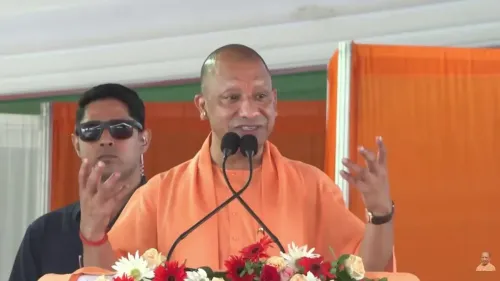
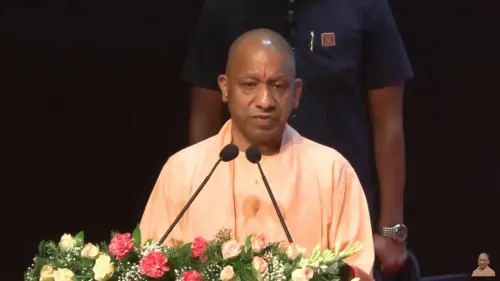
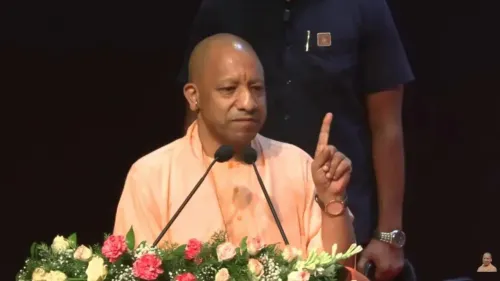
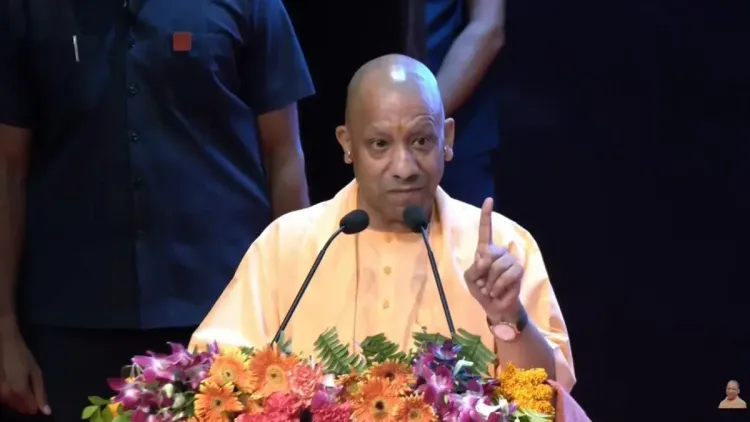
In a pointed declaration that cuts straight to the heart of governance credibility, Uttar Pradesh Chief Minister Yogi Adityanath stated on Thursday, October 8, 2026 that appointments in the state have been made entirely free of recommendations, financial transactions, and syndicate influence — a direct claim that no political or bureaucratic lobby has been able to bend the recruitment process.
The Claim: Clean Hiring, No Middlemen
Posting on X, CM Yogi declared in Hindi: 'नियुक्ति में किसी की सिफारिश नहीं चली, कोई लेनदेन नहीं हुआ, किसी सिंडिकेट को हावी नहीं होने दिया गया...' — translating to: 'No recommendation worked in appointments, no transaction took place, no syndicate was allowed to dominate.' The ellipsis carries its own weight — it signals that more is coming, or more has already been done.
The language is deliberate. The three-part construction — no sifarish (recommendation), no lenden (transaction), no syndicate — maps directly onto the three pressure points that have historically corrupted public recruitment in Uttar Pradesh and across much of India: political patronage, outright bribery, and organised networks of exam paper leakers or job brokers.
Why This Framing Resonates in UP
Uttar Pradesh, with a population exceeding 240 million, is one of the largest employers in the country through its state public service commissions and departmental recruitments. Competitive examinations for government jobs attract millions of applicants annually, making the process both high-stakes and historically vulnerable to manipulation. Allegations of paper leaks, broker networks, and backdoor appointments have been a recurring political flashpoint in the state for decades.
The word 'syndicate' in this context is particularly sharp — it evokes organised crime within the recruitment ecosystem, the kind of entrenched network that does not just bend rules but systematically sells access to government jobs. By naming it directly, CM Yogi is positioning his administration as having broken that ecosystem rather than merely reformed paperwork.
A Political Signal as Much as a Governance Statement
Statements like this rarely exist in isolation. They serve dual purposes: reassuring successful candidates that their appointments are legitimate, and sending a message to the opposition that the administration's clean-recruitment narrative is ready for scrutiny. With Uttar Pradesh perpetually at the centre of national political attention — and with state elections always on the horizon — a robust claim of meritocracy in hiring is a governance credential that travels.
Whether this post is the prelude to a formal announcement, a press conference, or a recruitment result declaration, the signal from Lucknow is unmistakable: the Yogi administration wants 'merit, not muscle' to define its tenure on appointments.
Point of View
No transactions, no syndicates — is a textbook governance positioning move that serves both accountability and electoral narratives simultaneously. In a state where government job recruitment has been a perennial corruption flashpoint, framing meritocracy as a delivered outcome rather than an aspiration is a significant shift in political communication. The post's deliberate Hindi phrasing, stripped of bureaucratic jargon, is designed for maximum reach among aspirants and their families — the exact demographic that swings large constituencies in UP. If backed by verifiable recruitment data, this claim could anchor a powerful re-election plank; if contested, it equally invites scrutiny.
NationPress
8 Oct 2026
Frequently Asked Questions
What did CM Yogi Adityanath say about UP government appointments?
CM Yogi declared on October 8, 2026 that no recommendation, financial transaction, or syndicate influence was allowed in any government appointment made under his administration in Uttar Pradesh.
What is a 'syndicate' in the context of UP government jobs?
In UP's recruitment context, a syndicate refers to an organised network of brokers and middlemen who illegally sell access to government jobs or examination papers — a problem CM Yogi claimed his government has prevented.
Why is clean recruitment such a big political issue in Uttar Pradesh?
Uttar Pradesh has one of the largest pools of government job aspirants in India. With millions applying for state positions each year, any corruption in the process becomes a mass grievance that directly affects electoral outcomes.
Is CM Yogi's appointment claim related to a specific exam or department?
The October 8 post does not specify a particular exam or department. It appears to be a broad governance declaration covering appointments across the state administration.
What does 'sifarish nahi chali' mean in this context?
'Sifarish nahi chali' means 'no recommendation worked' — CM Yogi's assertion that political or personal lobbying had no influence over who received government appointments in Uttar Pradesh.