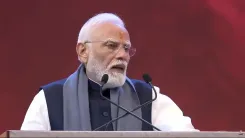
CM Yogi Launches Two-Day 'Sadhana Shrenkala' Under Mission Karmayogi
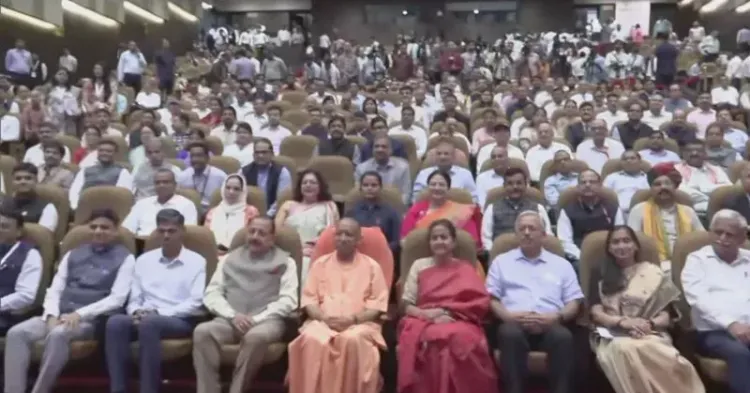
Synopsis
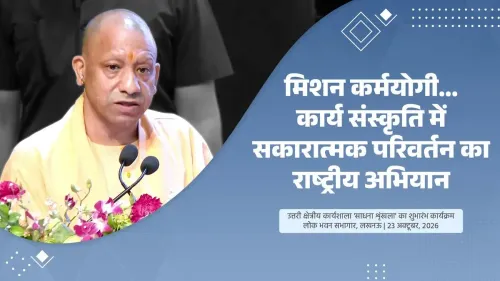
Chief Minister Yogi Adityanath inaugurated a two-day 'Sadhana Shrenkala' under Mission Karmayogi in Uttar Pradesh on October 23, 2026, bringing the Centre's flagship civil-services capacity-building programme to a concentrated state-level training event for government employees.
Key Takeaways
CM Yogi Adityanath personally inaugurated the two-day 'Sadhana Shrenkala' under Mission Karmayogi on October 23, 2026 .
Mission Karmayogi (NPCSCB) was launched by the Government of India in 2021 to train approximately 1.5 crore civil servants nationally.
The programme shifts India's bureaucracy from rule-based compliance to role-based, competency-driven performance.
Uttar Pradesh , with one of India's largest state administrative cadres, is a key implementation ground for the national framework.
The Sadhana Shrenkala model — an intensive, structured training sequence — reflects a shift toward immersive learning over one-off seminars.
Subsequent rollout to other UP departments will signal whether the initiative becomes systemic rather than ceremonial.
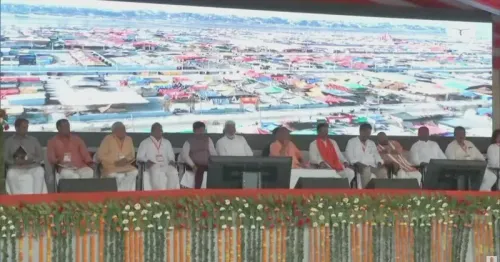
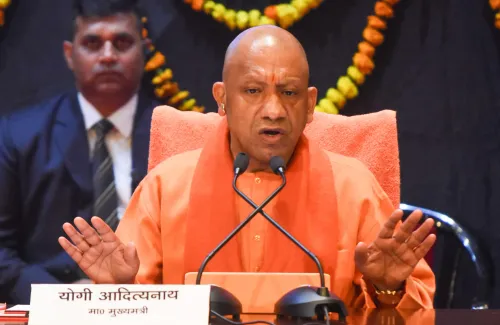
Bureaucratic training just got a state-level spotlight. Chief Minister Yogi Adityanath on Friday, October 23, 2026, inaugurated a two-day 'Sadhana Shrenkala' — a structured capacity-building series — under the central government's flagship Mission Karmayogi programme, with the Chief Minister's Office of Uttar Pradesh sharing the launch live on X.
What Is the 'Sadhana Shrenkala' and Who It Targets
The 'Sadhana Shrenkala' — loosely translated as a 'chain of practice' or structured training sequence — is a concentrated, two-day workshop format designed to embed the Mission Karmayogi philosophy into Uttar Pradesh's civil services. The event targets state government employees, walking them through competency-based learning modules aligned with the national framework. The CM's personal presence at the inauguration signals that the state administration is treating this not as a routine HR exercise but as a governance priority.
Mission Karmayogi: From Delhi Blueprint to Lucknow Rollout
Mission Karmayogi, formally the National Programme for Civil Services Capacity Building (NPCSCB), was launched by the Government of India in 2021 with an ambitious mandate: train approximately 1.5 crore civil servants nationwide. Its core shift is philosophical — moving India's bureaucracy from rule-based compliance to role-based performance, making officials more citizen-centric and outcome-driven. Uttar Pradesh, as India's most populous state with one of the country's largest state cadres, represents a critical test bed for how effectively that blueprint translates at scale.
CM Yogi Adityanath, who has helmed Uttar Pradesh since 2017, has consistently positioned administrative reform as a pillar of the state's governance overhaul. The Sadhana Shrenkala is the latest visible expression of that alignment with New Delhi's capacity-building agenda.
A Pattern Taking Shape Across States
Uttar Pradesh's move fits a broader national pattern: state governments are progressively localising the Mission Karmayogi architecture through targeted events rather than waiting for top-down rollouts. The format — an immersive, time-bound series rather than a one-day seminar — reflects a deliberate design choice to build retention and practice, not just awareness. What follows will matter: whether the Sadhana Shrenkala expands to additional departments and becomes a recurring calendar fixture will determine whether the initiative moves from ceremony to systemic change.
Point of View
Capacity-building events double as optics of reform in action. The broader arc here is significant: how aggressively state governments translate the Centre's 2021 NPCSCB architecture into ground-level change will determine whether Mission Karmayogi achieves its 1.5-crore target or remains a well-designed Delhi blueprint. UP's scale makes its rollout a bellwether for the programme's national credibility.
NationPress
23 Oct 2026
Frequently Asked Questions
What is Mission Karmayogi?
Mission Karmayogi, officially the National Programme for Civil Services Capacity Building (NPCSCB), is a Government of India initiative launched in 2021 to train approximately 1.5 crore civil servants through competency-based, role-focused modules — shifting the bureaucracy from rule-following to outcome-driven governance.
What is the 'Sadhana Shrenkala' launched in Uttar Pradesh?
The 'Sadhana Shrenkala' is a two-day structured capacity-building workshop series organised under Mission Karmayogi for Uttar Pradesh government employees, inaugurated by Chief Minister Yogi Adityanath on October 23, 2026, in Lucknow.
When was Mission Karmayogi launched by the central government?
Mission Karmayogi was launched by the Government of India in 2021 with the aim of transforming civil service training from a rules-based to a roles-based approach across all tiers of government.
Why is Uttar Pradesh important for Mission Karmayogi's rollout?
Uttar Pradesh, as India's most populous state, has one of the country's largest state administrative cadres, making its adoption of Mission Karmayogi a critical test of how effectively the national framework scales at the state level.
What does 'Sadhana Shrenkala' mean in English?
'Sadhana Shrenkala' roughly translates to a 'chain of practice' or structured training sequence — reflecting the programme's intent to build sustained competency through repeated, focused exercises rather than one-off sessions.