CM Yogi Orders Disability Aid Camps in Every UP District
Synopsis
CM Yogi Adityanath has directed that assistive-device distribution camps for persons with disabilities be held regularly in every Uttar Pradesh district, and that hearing-impaired children receive timely cochlear implants and post-operative rehabilitation, aligning state delivery with central disability welfare mandates.
Key Takeaways
CM Yogi Adityanath directed regular divyangjan assistive-device camps in all 75 districts of Uttar Pradesh .
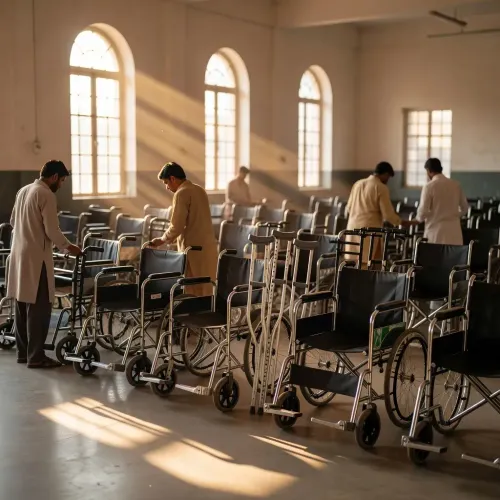
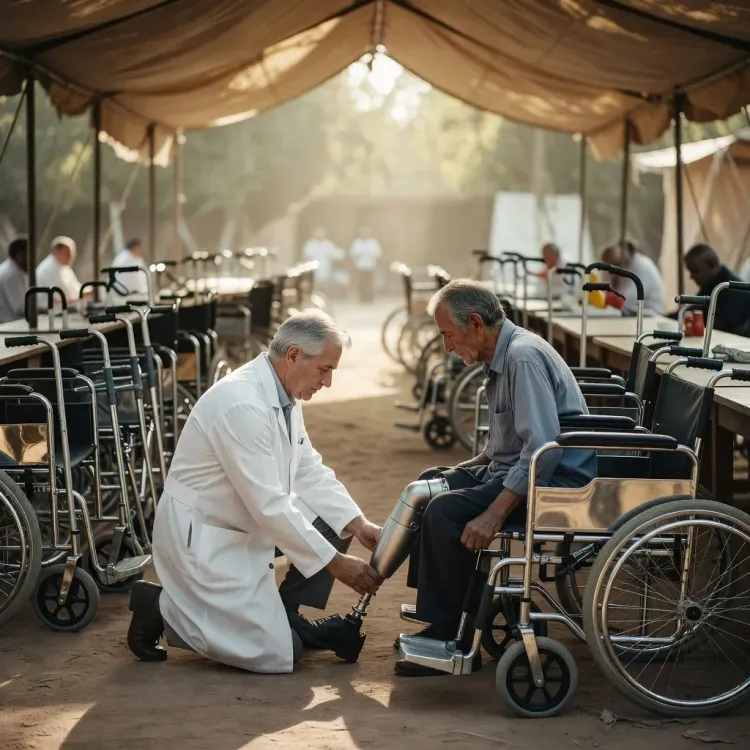
Eligible persons with disabilities are to receive artificial limbs and devices matched to their individual needs.
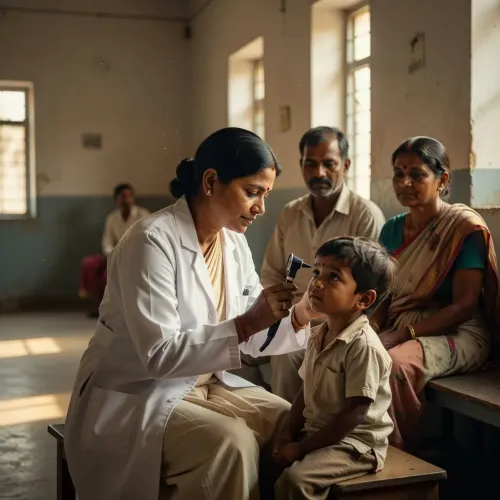
A separate directive mandates early identification of hearing-impaired children for timely cochlear implant surgery.
Post-implant rehabilitation must be arranged for children after treatment, ensuring complete care pathways.
The directives align with the Central Government's ADIP Scheme and the Rights of Persons with Disabilities Act, 2016 .
District administrations and state health and social welfare departments are the primary implementing bodies.
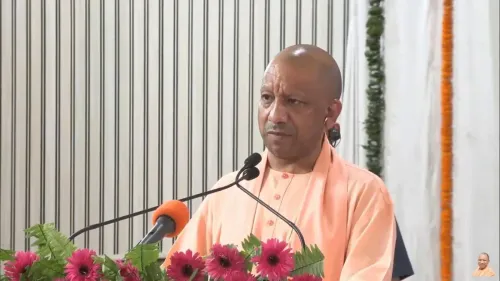
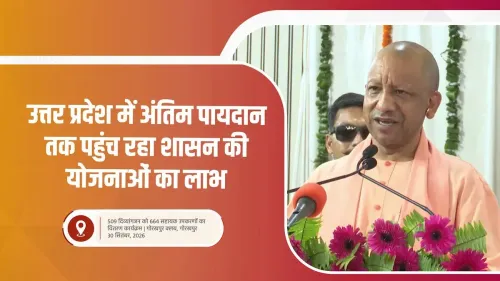
The Chief Minister's Office of Uttar Pradesh, posting on behalf of Chief Minister Yogi Adityanath, on 2 July 2026 directed that regular assistive-device distribution camps for persons with disabilities be held in every district of the state, and that hearing-impaired children be identified early for timely cochlear implant surgery and post-operative rehabilitation.
The official post, shared from the CM Office's X account, states: 'प्रत्येक जनपद में नियमित रूप से दिव्यांगजन सहायक उपकरण वितरण शिविर आयोजित किए जाएं' ('regular assistive-device distribution camps for persons with disabilities should be organised in every district'), and further that eligible persons with disabilities should receive artificial limbs and assistive devices suited to their specific needs.
Context
CM Yogi Adityanath also directed that hearing-impaired children be identified swiftly, given cochlear implants within a defined timeframe, and provided adequate rehabilitation after treatment. The directive covers two distinct tracks: broad-based assistive-device delivery for the wider divyangjan (persons with disabilities) population, and a targeted clinical pathway for children with hearing loss. The instructions were issued as part of a review or policy communication relayed through the CM Office's official social-media handle, indicating they carry administrative weight and are expected to be acted upon by district authorities across Uttar Pradesh.Policy Backdrop
The directive aligns with the Central Government's Assistance to Disabled Persons for Purchase/Fitting of Aids and Appliances (ADIP) Scheme, launched in 1981 and revised in 2014 to expand income limits and the range of covered devices. State governments act as implementing partners, organising camps where eligible beneficiaries receive devices at subsidised or no cost. The Rights of Persons with Disabilities Act, 2016 — which replaced the earlier 1995 legislation and expanded recognised disability categories from 7 to 21 — mandates that state governments put in place rehabilitation, education, and assistive-technology access mechanisms. The Accessible India Campaign, launched in 2015, further reinforced the push for improved accessibility and rehabilitation services nationwide. Uttar Pradesh, with 75 districts, is India's most populous state, making district-level delivery of assistive devices a logistically significant undertaking. Cochlear implants, which involve surgical insertion of electronic devices to provide a sense of sound to children with severe hearing loss, require coordinated health and social-welfare infrastructure for both the procedure and follow-up speech therapy.Stakeholders and Impact
The primary beneficiaries are Uttar Pradesh's divyangjan population — persons with physical, sensory, or other recognised disabilities — who require prosthetics, wheelchairs, hearing aids, visual aids, and other assistive equipment. A second, more specific group is hearing-impaired children, for whom early cochlear implantation is clinically established to produce significantly better language outcomes than delayed intervention. District administrations, civil hospitals, and social welfare departments will be the implementing bodies. The directive implies coordination between the state's health and social justice departments to run camps, screen children, arrange surgical referrals, and ensure post-implant rehabilitation services such as auditory-verbal therapy are available.What's Next
The key measure of follow-through will be whether district-level camp schedules are published, how frequently camps are held, the number of devices distributed per district, and the count of children who receive cochlear implants and complete rehabilitation programmes. Disability-rights advocates and state legislators are likely to track these metrics as indicators of whether the directive translates into ground-level delivery. A structured reporting mechanism from districts back to the CM Office would be necessary to ensure accountability against these directives.Point of View
And bundling them with broader assistive-device camps suggests an effort to integrate health and social welfare pipelines rather than treat them in silos. The directive arrives against a national backdrop of states being held accountable under the Rights of Persons with Disabilities Act, 2016, making compliance a legal as well as political imperative for the Yogi administration. Tracking camp frequency, device counts, and rehabilitation completions will determine whether this directive is transformative or aspirational.
NationPress
1 Oct 2026
Frequently Asked Questions
What did CM Yogi Adityanath order for persons with disabilities in UP?
CM Yogi Adityanath directed that regular assistive-device distribution camps be held in every district of Uttar Pradesh, providing eligible persons with disabilities artificial limbs and other devices suited to their needs.
What is a cochlear implant and why is it important for children?
A cochlear implant is a surgically inserted electronic device that provides a sense of sound to children with severe hearing loss; early implantation significantly improves language development outcomes, which is why CM Yogi's directive emphasises timely identification and treatment.
What is the ADIP Scheme and how does it relate to UP's disability camps?
The Assistance to Disabled Persons for Purchase/Fitting of Aids and Appliances (ADIP) Scheme is a Central Government programme, launched in 1981 and revised in 2014, under which state governments organise camps to distribute subsidised assistive devices — UP's district-level camps operate within this framework.
How many districts does Uttar Pradesh have?
Uttar Pradesh has 75 districts, all of which are covered by CM Yogi Adityanath's directive to hold regular assistive-device distribution camps for persons with disabilities.
What law governs disability rights and assistive device access in India?
The Rights of Persons with Disabilities Act, 2016 governs disability rights in India; it expanded recognised disability categories to 21 and requires state governments to ensure rehabilitation, education, and assistive-technology access for persons with disabilities.