CM Yogi expands Bachpan Day-Care for disabled kids in UP
Synopsis
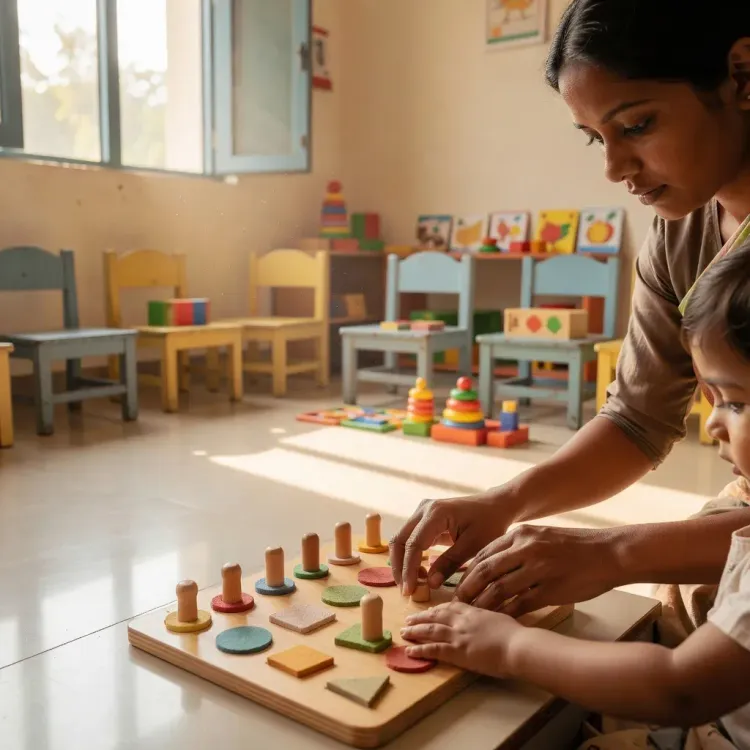
Chief Minister Yogi Adityanath has announced expansion of Bachpan Day-Care Centres across UP's 75 districts for hearing-impaired, visually impaired and intellectually disabled children aged 3-7, with a formal provision in the 2026-27 state budget.
Key Takeaways
Bachpan Day-Care Centres will be expanded at the district (janapad) level across Uttar Pradesh.
The expansion specifically covers children aged 3 to 7 years with hearing impairment, intellectual disabilities, and visual impairment.
A formal budgetary provision has been included in the UP 2026-27 state budget .
The announcement was made by Chief Minister Yogi Adityanath via the official CMO account on 30 September 2026 .
The initiative aligns with the Rights of Persons with Disabilities Act, 2016 , which mandates accessible early-care infrastructure for disabled children.
Specific fund allocations, timelines and district-wise rollout details are yet to be publicly disclosed.
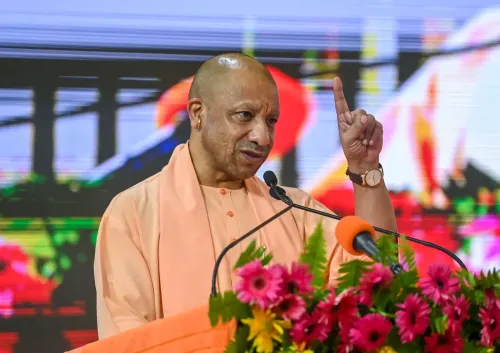
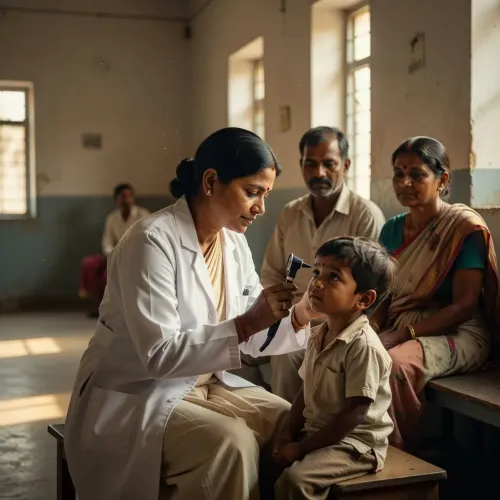
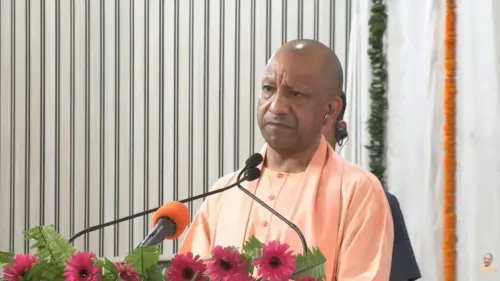
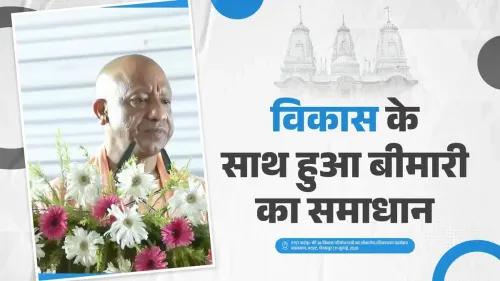
For thousands of children between 3 and 7 years of age in Uttar Pradesh — children who are hearing-impaired, visually impaired, or living with intellectual disabilities — the state government has just signalled a meaningful expansion of structured early care. The Chief Minister's Office of Uttar Pradesh announced on Wednesday, 30 September 2026 that Chief Minister Yogi Adityanath has decided to scale up the Bachpan Day-Care Centre network across the state, with a dedicated budgetary provision already built into the 2026-27 state budget.
The Chief Minister's statement, shared by the CMO, reads: 'We have decided to further expand the Bachpan Day-Care Centre system in the state. In the 2026-27 budget, a provision has been made for expanding such centres at the district level for hearing-impaired, intellectually disabled, and visually impaired children aged 3 to 7 years.'District-level reach for Divyang children
The decision targets expansion at the janapad (district) level, which is significant in a state the size of Uttar Pradesh — home to 75 districts and India's largest population. Early-intervention care for children with sensory and intellectual disabilities has historically been concentrated in urban centres, leaving families in smaller towns and rural areas without accessible support. District-level centres could close that gap substantially.
The move sits within the framework of the Rights of Persons with Disabilities Act, 2016, which mandates accessible education and early-care infrastructure for disabled children across all Indian states. Uttar Pradesh has incrementally built out district-level disability services since 2017, when Chief Minister Yogi Adityanath took office, framing inclusion as a pillar of the state's social welfare agenda.
Three categories, one focused commitment
The budget provision specifically names three cohorts: hearing-impaired (shravann badhit), intellectually disabled (bauddhik divyangta), and visually impaired (drishtibaadhit) children. Naming them explicitly — rather than using a blanket 'disabled children' label — reflects a shift toward category-specific programming that early-childhood specialists have long advocated. Children aged 3 to 7 are in a critical developmental window where specialised day-care and stimulation can dramatically improve long-term outcomes.
Parents of children in these categories, particularly those outside Lucknow and other large cities, stand to benefit most. Structured day-care with trained support staff can also relieve caregivers who currently shoulder the full burden of daily intervention without institutional help.
Budget provision signals intent — implementation is the test
A budgetary allocation is a commitment on paper; the real measure will be in execution: how many new centres are operationalised, how quickly, and with what staffing and equipment. Those specifics — exact fund quantum, timelines, and district-by-district rollout plans — have not yet been detailed publicly. What the announcement does establish is political will at the highest level of the state government, backed by a formal fiscal instrument.
If scaled as intended, the expanded Bachpan network could position Uttar Pradesh as a benchmark for disability-inclusive early childhood care among India's large states — a benchmark the data on ground-level delivery will eventually either validate or challenge.
Point of View
Urban-concentrated services. Anchoring the commitment in a formal budget line is politically significant: it converts a policy preference into an accountable fiscal instrument. That said, the real test for UP's disability-inclusion ambitions will be implementation at the district level, where capacity gaps in trained personnel and infrastructure have historically stalled similar initiatives. If the rollout matches the stated intent, it could set a replicable template for other large states navigating the same challenge.
NationPress
30 Sept 2026
Frequently Asked Questions
What is the Bachpan Day-Care Centre scheme in Uttar Pradesh?
Bachpan Day-Care Centres are state-run facilities in Uttar Pradesh that provide structured early care and developmental support for young children with disabilities. The state government has now decided to expand them at the district level for children aged 3 to 7 with hearing, visual, or intellectual impairments.
Which children will benefit from the UP Bachpan Day-Care expansion?
Children between the ages of 3 and 7 years who are hearing-impaired, visually impaired, or have intellectual disabilities will be the primary beneficiaries of the expanded centres across UP's districts.
Is there a budget allocated for this Bachpan Day-Care expansion?
Yes. A provision for expanding district-level Bachpan Day-Care Centres has been included in the Uttar Pradesh 2026-27 state budget , as announced by Chief Minister Yogi Adityanath. Specific fund amounts and timelines have not yet been publicly detailed.
What law supports early care centres for disabled children in India?
The Rights of Persons with Disabilities Act, 2016 establishes a legal mandate for accessible education and early-care facilities for children with disabilities across all Indian states, including Uttar Pradesh.
How many districts does Uttar Pradesh have, and why does district-level expansion matter?
Uttar Pradesh has 75 districts . Expanding care centres to the district level is significant because disability services have historically been concentrated in major cities, leaving families in smaller towns and rural areas without accessible support for their children.