CM Yogi: UP Bears ₹6 Lakh Cost for Cochlear Implants
Synopsis
CM Yogi Adityanath says Uttar Pradesh fully funds cochlear implants — up to ₹6 lakh per child — and supports speech therapy for families, while over 17 lakh divyangjan have been digitally identified and issued disability cards under a strengthened UDID system.
Key Takeaways
The UP government covers cochlear implant costs of up to ₹6 lakh per child once a need is identified.
Families are also extended support for speech therapy following cochlear implantation.
More than 17 lakh persons with disabilities in Uttar Pradesh have been digitally identified and issued disability cards.
The initiative strengthens digital identification infrastructure to improve targeted welfare delivery across the state.
The effort aligns with the national Unique Disability ID (UDID) project under the Ministry of Social Justice and Empowerment.
CM Yogi Adityanath framed the push as part of the 'double-engine government' model coordinating state and central welfare schemes.
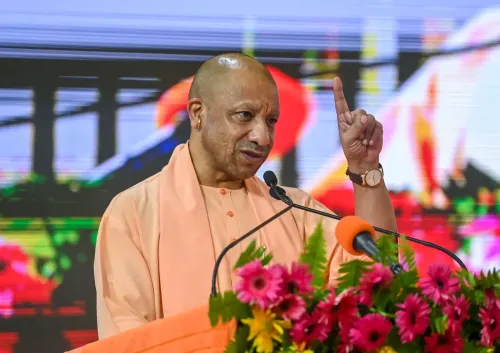
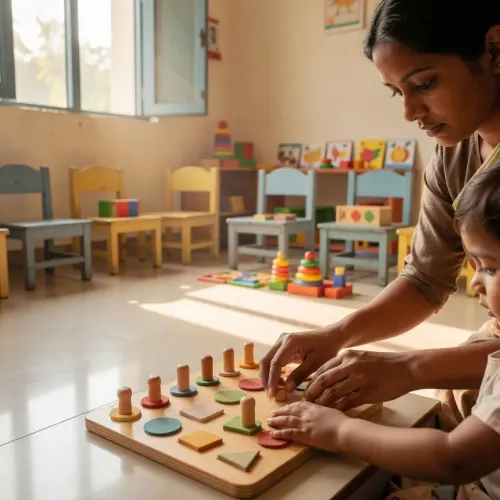
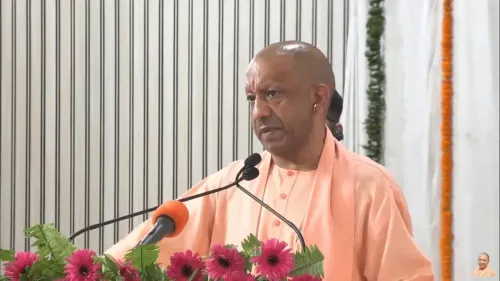
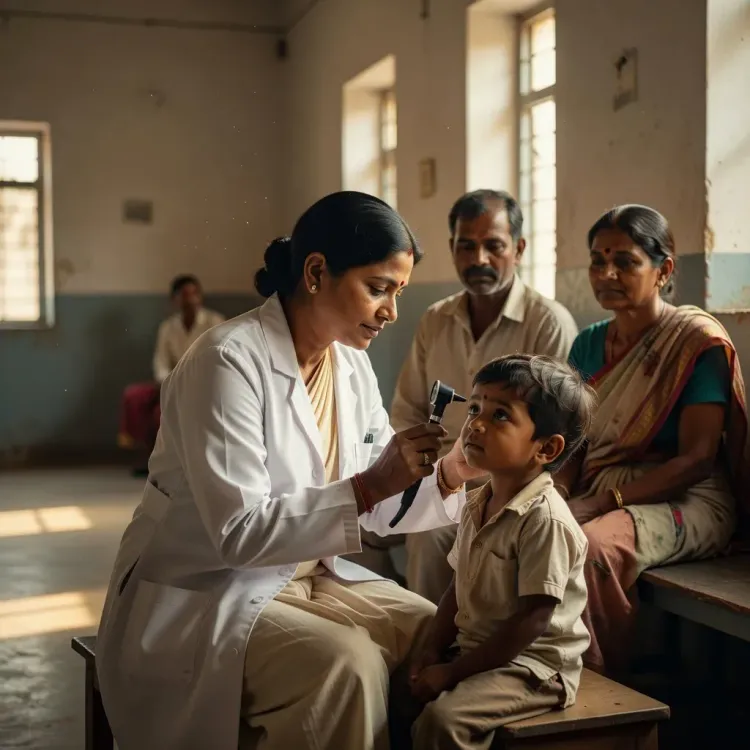
For a child born unable to hear, the difference between silence and sound can hinge entirely on one intervention — and its price tag. Chief Minister Yogi Adityanath has stated that the Uttar Pradesh government fully bears cochlear implant costs of up to ₹6 lakh per child, and also supports families through speech therapy — a commitment the Chief Minister's Office framed as part of a broader, digitally anchored welfare push for persons with disabilities across the state.
₹6 Lakh per Child and Speech Therapy Support
The Chief Minister's post, shared on 30 September 2026, states that once a child's need for a cochlear implant is identified, the 'double-engine government' — a phrase the ruling alliance uses to signal alignment between the state and central governments — steps in to cover the full cost, up to ₹6 lakh. Families are also extended assistance for speech therapy, a critical follow-up that determines how effectively a child learns to use the implanted device. Cochlear implants, which bypass damaged portions of the ear and directly stimulate the auditory nerve, are among the most expensive assistive medical interventions available, making state-funded coverage a significant relief for low-income households.
17 Lakh Divyangjan Issued Digital Identity Cards
The announcement anchors the cochlear implant programme within a larger system-building exercise. According to the post, more than 17 lakh persons with disabilities — referred to as divyangjan (persons with disabilities) — have been digitally identified and issued their disability cards in Uttar Pradesh. The effort aligns with the national Unique Disability ID (UDID) project, run by the Ministry of Social Justice and Empowerment, which aims to build a centralised, verifiable database of persons with disabilities to ensure benefits reach the right beneficiaries without duplication or leakage. In a state as large and administratively complex as Uttar Pradesh — home to over 200 million people — digital identification is the foundational layer on which targeted welfare delivery stands or falls.
Digital Infrastructure as the Spine of Disability Welfare
The Rights of Persons with Disabilities Act, 2016 mandates that state governments facilitate access to medical care, rehabilitation, and assistive devices for persons with disabilities. Uttar Pradesh's push to strengthen digital identification is the mechanism through which this mandate becomes operational: without a verified ID, a divyang citizen cannot formally access scheme benefits. The convergence of the UDID card system with condition-specific interventions like cochlear implants signals a shift from passive entitlement to active, case-identified delivery. Chief Minister Yogi Adityanath has made disability welfare a recurring pillar of governance communication since assuming office in 2017, and this post reinforces that framing ahead of what is expected to be a continued welfare-delivery drive across the state.
Point of View
Digitally verified, condition-specific delivery — a governance upgrade that matters enormously in a state where leakage and identification gaps have historically left welfare benefits unreached. Framing the cochlear implant coverage under the 'double-engine' banner ties state spending to central alignment, a recurring political architecture Chief Minister Yogi Adityanath deploys to project administrative coherence. The 17-lakh digital ID figure, if operationally accurate, would represent a substantial advance in last-mile welfare infrastructure. The real test will be whether the identification pipeline translates into measurable on-ground implant surgeries and therapy completions — not just card issuances.
NationPress
30 Sept 2026
Frequently Asked Questions
Does the UP government provide free cochlear implants to children?
Yes. According to Chief Minister Yogi Adityanath, the Uttar Pradesh government bears the full cost of cochlear implants — up to ₹6 lakh per child — once a need is medically identified, and also supports families with speech therapy expenses.
What is the UDID card and how does it work in Uttar Pradesh?
The Unique Disability ID (UDID) card is a national digital identity document for persons with disabilities, issued under a scheme by the Ministry of Social Justice and Empowerment. In Uttar Pradesh, over 17 lakh divyangjan have been identified and issued these cards to help them access welfare benefits without duplication.
What is a cochlear implant and why is it so expensive?
A cochlear implant is a surgically implanted electronic device that bypasses damaged portions of the inner ear to directly stimulate the auditory nerve, enabling a sense of sound in people with severe hearing loss. The procedure, device, and follow-up therapy together can cost ₹6 lakh or more, placing it out of reach for most low-income families without state support.
How many disabled people have received digital ID cards in UP?
The Chief Minister's Office of Uttar Pradesh stated that more than 17 lakh persons with disabilities have been digitally identified and issued their disability cards in the state as part of the strengthened digital identification drive.
What is the 'double-engine government' referred to in UP welfare schemes?
'Double-engine government' is a phrase used by the ruling alliance to describe the coordination between the BJP-led state government of Uttar Pradesh and the BJP-led central government, suggesting that aligned political leadership enables faster and more coherent welfare delivery.