CM Yogi: UP Gave Digital IDs to 17 Lakh Disabled Persons
Synopsis
Uttar Pradesh Chief Minister Yogi Adityanath announced that over 17 lakh persons with disabilities have been issued digital UDID cards, strengthening their access to government welfare schemes under the national Unique Disability ID programme.
Key Takeaways
17 lakh-plus persons with disabilities in Uttar Pradesh have received digital UDID cards, CM Yogi Adityanath announced on 30 September 2026 .
The UDID project was launched nationally in 2016 to replace manual disability certificates with Aadhaar-linked digital IDs for streamlined benefit delivery.
The Rights of Persons with Disabilities Act, 2016 expanded recognised disability categories from 7 to 21 , widening the eligible beneficiary pool.
Uttar Pradesh's rollout is part of a broader e-governance drive to digitise welfare entitlements across the state's 75 districts .
The UDID card is designed to give holders a single credential for accessing pensions, concessions, and skill-development programmes.
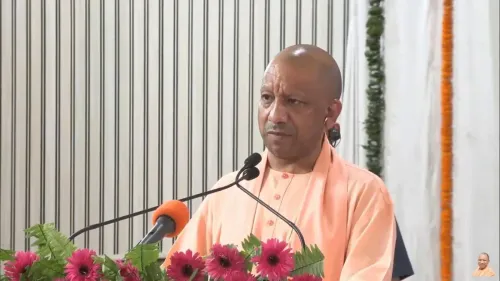
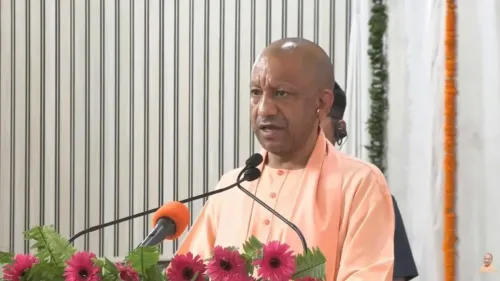
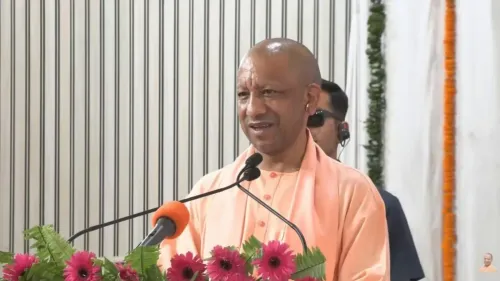
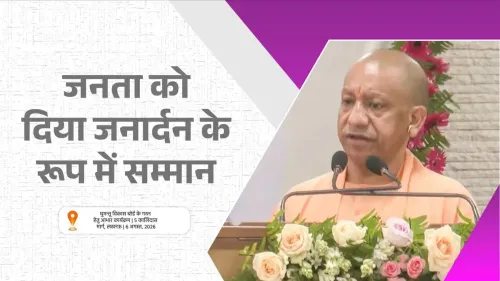
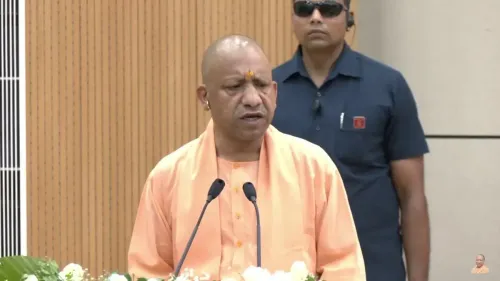
More than 1.7 million persons with disabilities in Uttar Pradesh now carry a verified digital identity — a quiet but consequential shift in how the state's most vulnerable citizens access government benefits. Uttar Pradesh Chief Minister Yogi Adityanath announced the milestone on Wednesday, 30 September 2026, highlighting the scale of the state's rollout under the national Unique Disability ID (UDID) programme.
In his post, Chief Minister Adityanath stated: 'हम लोगों ने 17 लाख से अधिक दिव्यांगजनों की डिजिटल पहचान को मजबूत किया है और उन्हें उनका कार्ड भी उपलब्ध करवाया है' — 'We have strengthened the digital identity of more than 17 lakh persons with disabilities and have also made their cards available to them.'
What the UDID Card Actually Does
The UDID project, launched nationally in 2016 by the Ministry of Social Justice and Empowerment, was designed to replace fragmented, paper-based disability certificates with a single, Aadhaar-linked digital credential. Before it existed, a person with a disability often had to produce multiple documents — issued by different authorities, in different formats — to claim a pension, a railway concession, or a skill-development seat. The UDID card collapses all of that into one verifiable ID.
The same year, the Rights of Persons with Disabilities Act, 2016 expanded the recognised categories of disability from 7 to 21, bringing millions of previously uncategorised individuals into the formal welfare net. Digital certification was the mechanism meant to make that expansion real on the ground.
UP's E-Governance Push Behind the Numbers
Uttar Pradesh — India's most populous state — has made the digitisation of welfare entitlements a signature priority under the Adityanath administration. Disability card issuance sits within a broader pattern: linking beneficiaries of central and state schemes to digital records so that subsidies, pensions, and concessions reach intended recipients rather than leaking through intermediaries.
Similar UDID drives have been reported across several states, but the sheer size of Uttar Pradesh's beneficiary base makes its numbers among the largest in the country. Getting 17 lakh-plus cards into the hands of divyangjan — the term used for persons with disabilities in official discourse — represents a significant logistical undertaking across 75 districts.
What Comes After the Card
The card is the entry point, not the destination. Analysts and disability-rights advocates have long argued that the real test of UDID is whether it integrates seamlessly with downstream schemes — disability pensions, assistive-device programmes, and skill-development initiatives. Uttar Pradesh's next challenge will be ensuring that UDID-Aadhaar linkage is complete and that the newly identified beneficiaries are actively enrolled in the entitlements the card is meant to unlock.
With 17 lakh digital identities now in place, the infrastructure exists. Whether the benefits follow at the same pace is the question that will define the programme's true impact.
Point of View
Measurable, and attributable to the state government. Issuing 17 lakh UDID cards is a credible governance achievement, but it also serves as a ready metric ahead of any electoral or policy audit cycle. The deeper policy question is whether card issuance translates into actual scheme enrolment; historically, the gap between ID creation and benefit uptake has been a persistent weakness in disability welfare delivery across Indian states. Closing that gap — through UDID-Aadhaar linkage and active downstream enrolment — will determine whether this milestone is transformative or merely administrative.
NationPress
30 Sept 2026
Frequently Asked Questions
What is the UDID card for disabled persons in India?
The Unique Disability ID (UDID) card is a digital credential issued by the Ministry of Social Justice and Empowerment. It replaces paper-based disability certificates with a single, Aadhaar-linked ID that allows persons with disabilities to access government pensions, concessions, and welfare schemes through one document.
How many disabled persons got UDID cards in Uttar Pradesh?
Chief Minister Yogi Adityanath announced that more than 17 lakh (1.7 million) persons with disabilities in Uttar Pradesh have been issued digital UDID cards as of September 2026.
When was the UDID project launched in India?
The UDID project was launched nationally in 2016 by the Ministry of Social Justice and Empowerment, coinciding with the Rights of Persons with Disabilities Act, 2016, which expanded recognised disability categories from 7 to 21.
What benefits does a UDID card provide to divyangjan?
A UDID card gives persons with disabilities a single, verifiable digital identity to claim disability pensions, railway and transport concessions, assistive-device programmes, and skill-development scheme enrolments without carrying multiple paper certificates.
Is the UDID card linked to Aadhaar?
Yes. The UDID project is designed to link each disability ID to the holder's Aadhaar number, enabling direct benefit transfers and reducing leakage in welfare delivery.