CM Yogi Orders Anti-Snake Venom, Rabies Vaccine at All UP Health Posts
Synopsis
Chief Minister Yogi Adityanath on 29 September 2026 ordered all Uttar Pradesh hospitals, PHCs, and CHCs to stock Anti-Snake Venom and Anti-Rabies Vaccine and treat patients immediately without delay, stressing that every life matters.
Key Takeaways
CM Yogi Adityanath issued a direct public directive on 29 September 2026 on emergency medicine availability in UP.
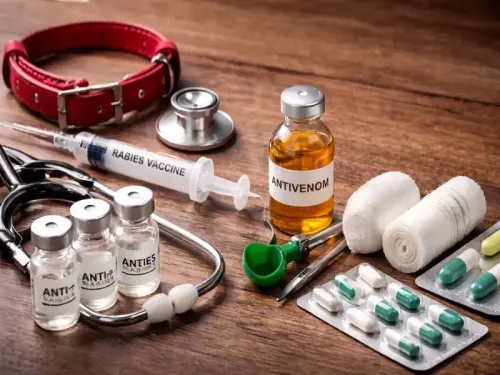
All hospitals, PHCs, and CHCs in Uttar Pradesh must ensure stocks of Anti-Snake Venom and Anti-Rabies Vaccine .
Health workers are instructed to begin treatment immediately — no waiting or deferral permitted.
The order aligns with National Health Mission guidelines that have mandated ASV stocks at PHC level since the mid-2000s.
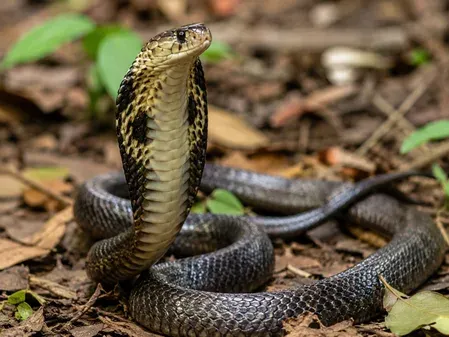
Snakebite and rabies exposures are seasonally significant in UP's agrarian districts, particularly after the monsoon.
The public nature of the directive serves as a direct accountability signal to district health officers across the state.
No waiting. No delays. No preventable deaths. Chief Minister Yogi Adityanath issued a sharp operational directive on Tuesday, 29 September 2026, ordering that Anti-Snake Venom (ASV) and Anti-Rabies Vaccine (ARV) be made immediately available at every hospital, Primary Health Centre (PHC), and Community Health Centre (CHC) across Uttar Pradesh — and that frontline health workers treat patients on the spot, without hesitation.
The directive, shared by the Chief Minister's Office of Uttar Pradesh on X, quotes Adityanath directly: 'हर व्यक्ति की जान हमारे लिए महत्वपूर्ण है' — 'Every person's life matters to us.' The instruction is unambiguous: if someone arrives at a facility following a snakebite or animal attack, treatment must begin immediately. No deferral, no referral delay.Why PHCs and CHCs Are the Last Line of Defence
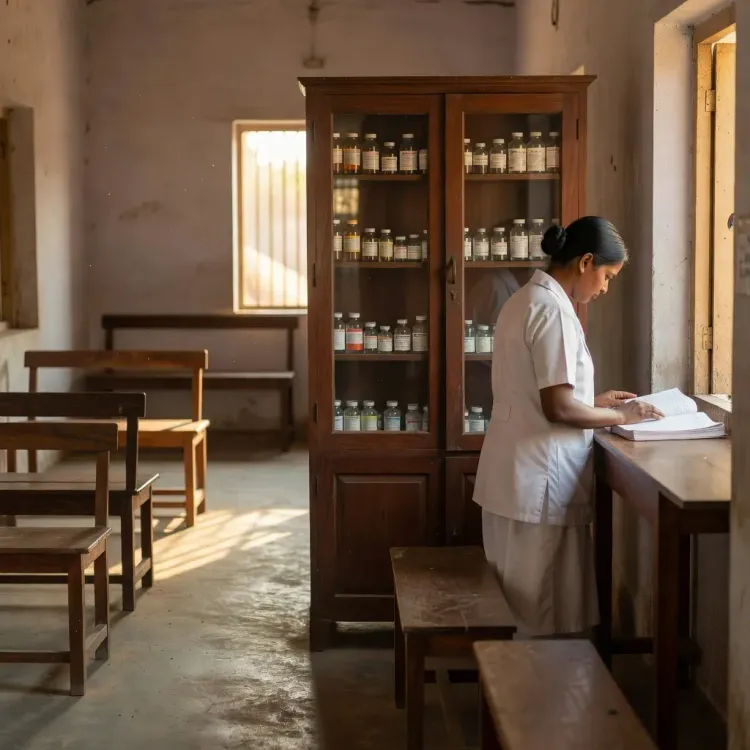
PHCs and CHCs form the backbone of India's rural healthcare architecture under the National Health Mission (NHM). For millions of farming families across UP's agrarian districts, these facilities are not a fallback — they are the only option. Snakebite and rabies exposures are not rare emergencies here; they are seasonal realities, spiking through the monsoon and post-monsoon months when fieldwork intensifies and human-animal contact rises sharply. A gap in drug stocks at this level is not a supply-chain inconvenience — it is a death sentence. NHM guidelines have required states to stock emergency medicines including ASV at PHC level since the mid-2000s. That the directive needed to be issued in September 2026 signals that the CM's office is actively auditing compliance on the ground, pushing district health machinery to close the gap between policy and practice.Adityanath's Pattern of Direct Administrative Accountability
This directive fits a recognisable pattern in the Yogi Adityanath administration: public, top-down operational orders that name specific facilities, specific medicines, and specific behaviours expected of health staff. Since taking office in 2017, Adityanath has repeatedly used direct communication to hold district-level bureaucracies accountable — bypassing the slower pace of internal circulars. The public nature of the instruction itself functions as a compliance mechanism: district officials know the order is visible, and so is any failure to act on it. With monsoon season still winding down across UP's vast rural belt, the timing of the directive is deliberate. Snakebite mortality in India's most populous state has historically been concentrated in the agricultural heartland — districts where a missing vial of ASV at the nearest CHC can mean the difference between a survivor and a statistic. District health officers across UP now face a clear, public benchmark: stock the medicines, train the staff to act without delay, and ensure no patient waits while a preventable death closes in.Point of View
Named operational orders to compress the distance between policy and ground-level compliance — bypassing the opacity of internal bureaucratic channels. Snakebite mortality is a long-documented failure point in India's rural health system, and UP's size makes it disproportionately exposed. By anchoring the order in a moral frame — 'every life matters' — the CM also signals that this is not a routine stock audit but a political priority. District health officers would be unwise to treat it as one.
NationPress
29 Sept 2026
Frequently Asked Questions
What did CM Yogi Adityanath order regarding snakebite treatment in UP?
CM Yogi Adityanath directed all hospitals, PHCs, and CHCs in Uttar Pradesh to ensure immediate availability of Anti-Snake Venom and Anti-Rabies Vaccine, and instructed health staff to begin treatment without any delay.
What are PHC and CHC in India's health system?
Primary Health Centres (PHC) and Community Health Centres (CHC) are the first two tiers of rural public healthcare under India's National Health Mission, serving as the primary point of care for millions of rural residents.
Is Anti-Snake Venom supposed to be available at PHCs in India?
Yes. National Health Mission guidelines since the mid-2000s have required states to maintain emergency drugs including Anti-Snake Venom at the PHC and CHC level, though ground-level compliance has been inconsistent.
Why is snakebite a major health concern in Uttar Pradesh?
Uttar Pradesh has a large agrarian population, and snakebite cases rise seasonally during and after the monsoon when farmworkers have higher exposure to snakes in fields. Gaps in ASV stocks at rural health centres have historically contributed to preventable deaths.
When did CM Yogi issue this health directive?
The directive was issued on Tuesday, 29 September 2026, and shared publicly by the Chief Minister's Office of Uttar Pradesh on X.