Maharashtra to notify snakebites as disease, set up regional venom banks
Synopsis
Maharashtra may become one of the first Indian states to officially classify snakebites as a notified disease — unlocking mandatory reporting and structured relief. Paired with a plan for regional venom banks and a looming funding crisis at the Haffkine Corporation that has halted ASV production, the Assembly debate exposed deep gaps in India's snakebite response infrastructure.
Key Takeaways
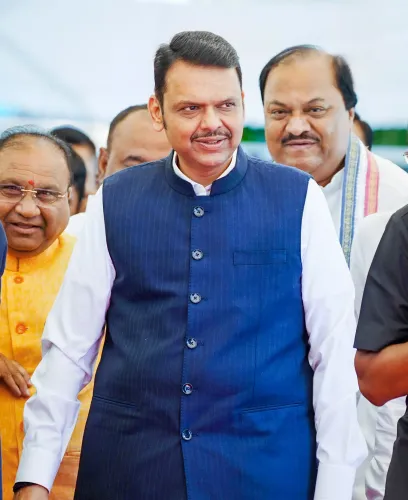
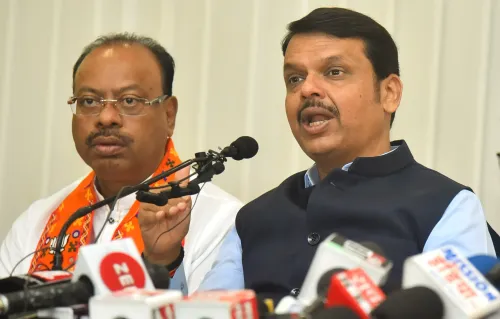
Maharashtra Health Minister Prakash Abitkar announced on 1 July that the state will propose declaring snakebites a 'Notified Disease' .
A joint meeting of Haffkine Bio-Pharmaceutical Corporation , the Forest Department , and allied agencies will be called to establish regional Snake Venom Banks .
MLA Vikram Pachpute raised concerns that a single polyvalent ASV is used against four species of venomous snakes with haemotoxic, neurotoxic, and cytotoxic venoms.
A funding crisis at Haffkine Corporation has halted production of both polio vaccines and anti-snake venom ; Abitkar promised a fund-clearance meeting within eight days .
The ICMR is reportedly working on species-specific snakebite vaccines.
Maharashtra Public Health Minister Prakash Abitkar on Wednesday, 1 July told the Legislative Assembly that the state health department will send a formal proposal to the Law and Judiciary Department to declare snakebites a 'Notified Disease' — a move aimed at triggering mandatory reporting, resource allocation, and a structured public health response to what legislators described as a rising mortality crisis in rural Maharashtra.
Regional Venom Banks on the Agenda
Beyond the notification proposal, Minister Abitkar announced that a joint meeting involving the Haffkine Bio-Pharmaceutical Corporation, the Forest Department, and relevant agencies will be convened to establish regional Snake Venom Banks across the state. National experts will be invited to help draft a strategic policy framework for snakebite management.
The announcement came during the minister's reply to a calling attention motion moved by MLA Vikram Pachpute, who drew the Assembly's attention to rising snakebite fatalities and the urgent need to upgrade anti-venom infrastructure.
The Case for Region-Specific Vaccines
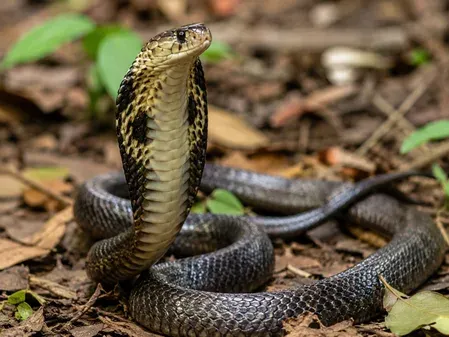
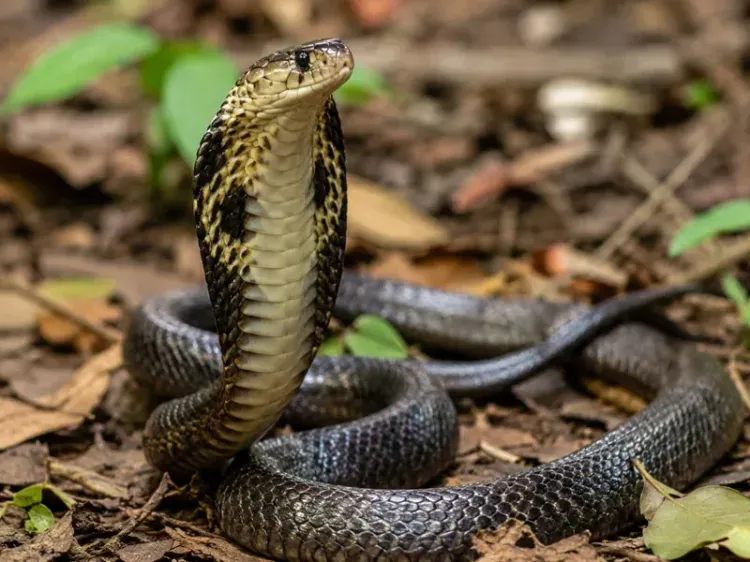
Pachpute raised a pointed scientific concern: while four major species of venomous snakes are found in Maharashtra, all bite victims currently receive a single polyvalent anti-snake venom (ASV) — irrespective of the species involved.
'The venoms vary drastically — haemotoxic, neurotoxic and cytotoxic — yet a single polyvalent vaccine is manufactured for all three. Furthermore, snake species change across geographies; a cobra found in Chennai differs from a cobra in Maharashtra. We need customised vaccines for regional venoms. Currently, Maharashtra only uses vaccines derived from Chennai snake venom. Can we establish regional venom banks and explore manufacturing monovalent vaccines instead of polyvalent ones?' Pachpute said.
He also asked whether snakebite could be declared a 'natural disaster', which would unlock a separate tier of state relief and compensation.
Shortage at PHCs and the Haffkine Funding Crisis
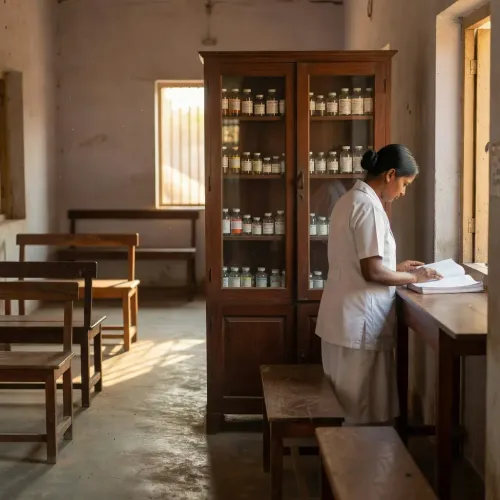
MLA Shweta Mahale flagged that farmers, agricultural labourers, and rural residents bear the heaviest burden of snakebites, and that rural hospitals frequently face shortages of anti-venom stocks. She called for a dedicated state policy on snakebite prevention.
A more acute concern was raised by MLA Jayant Patil, who stated that a severe funding shortfall at the Haffkine Corporation has brought the production of both polio vaccines and anti-snake venom to a complete standstill. Abitkar responded by promising that a meeting to clear the necessary funds would be held within the next eight days.
What the Government Said
Minister Abitkar assured the House that, as per standard guidelines, Primary Health Centres (PHCs) across Maharashtra maintain adequate ASV stocks. He noted that the Indian Council of Medical Research (ICMR) is actively working on developing species-specific vaccines.
'We have developed Anti-Snake Venom Kits that help determine whether a snake bite is venomous or non-venomous. Identifying the specific snake type will allow for highly targeted treatment,' Abitkar said.
MLA Arjun Khotkar also urged the government to extend its attention to health complications caused by venomous insect bites — a concern Abitkar acknowledged without a specific commitment.
If the notified disease proposal clears the Law and Judiciary Department, Maharashtra would become one of the few Indian states to bring snakebites into a formal disease surveillance framework — a step that health experts have long argued is essential to reducing the country's estimated 58,000 annual snakebite deaths.
Point of View
It is a preventable death sentence for farmers who reach a PHC in time. Declaring snakebites a notified disease is a sound structural step, but it means little without solving the production and distribution bottleneck first. The government's eight-day promise on Haffkine funds is the only concrete commitment that will matter in the short term.
NationPress
30 Sept 2026
Frequently Asked Questions
What does declaring snakebite a 'Notified Disease' mean in Maharashtra?
It means snakebite cases would enter a mandatory state reporting and surveillance framework, triggering structured resource allocation and a formal public health response. Maharashtra's health department has proposed sending this recommendation to the Law and Judiciary Department for legal notification.
Why are regional snake venom banks being proposed?
Current anti-snake venom used in Maharashtra is derived from snake venom collected in Chennai, but legislators argue that snake species — and their venom profiles — vary by geography. Regional venom banks would enable the development of localised, potentially monovalent vaccines tailored to species found in specific areas of Maharashtra.
What is the crisis at Haffkine Bio-Pharmaceutical Corporation?
MLA Jayant Patil told the Maharashtra Assembly that a severe funding shortfall at the Haffkine Corporation has brought production of both polio vaccines and anti-snake venom to a complete standstill. Health Minister Prakash Abitkar promised a fund-clearance meeting within eight days.
Who is most at risk from snakebites in Maharashtra?
According to MLA Shweta Mahale, farmers, agricultural labourers, and rural residents are the primary victims. Rural hospitals also reportedly face recurring shortages of anti-snake venom stocks, compounding the risk for those bitten in remote areas.
What is ICMR doing about snakebite treatment?
The Indian Council of Medical Research (ICMR) is reportedly working on developing species-specific snakebite vaccines, according to Health Minister Abitkar. The state has also developed Anti-Snake Venom Kits to help clinicians determine whether a bite is venomous and identify the snake type for targeted treatment.