CM Yogi Reviews Fire & Emergency Services, Orders SRG Formation
Synopsis
Chief Minister Yogi Adityanath reviewed Uttar Pradesh's Fire and Emergency Services in Lucknow on 8 June 2026, ordering a Specialized Rescue Group in 10 districts and directing faster completion of fire stations to cover all 350 tehsils across the state.
Key Takeaways
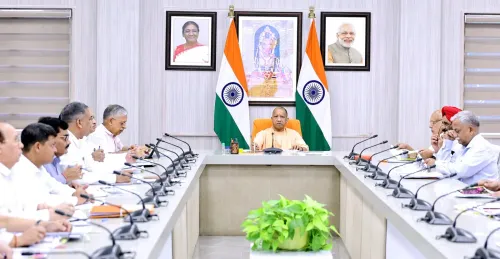
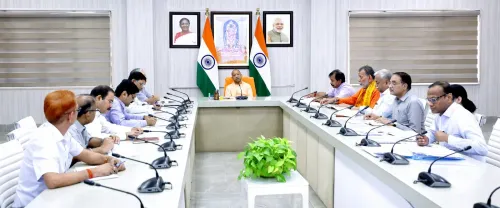
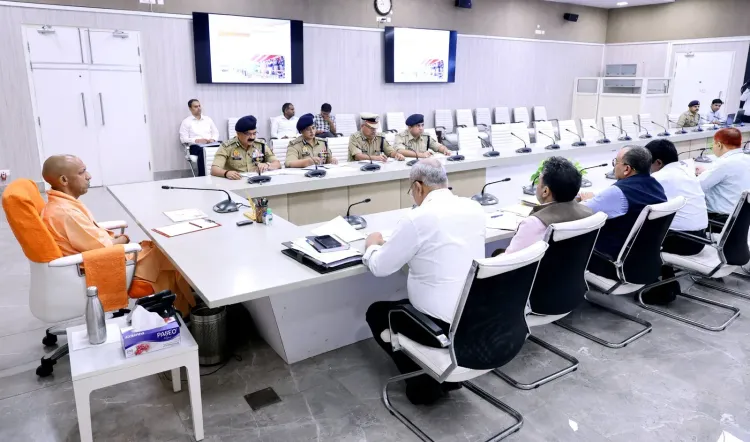
CM Yogi Adityanath chaired a review of the Fire and Emergency Services Department in Lucknow on 8 June 2026 .
A Specialized Rescue Group (SRG) is being formed; first-phase setup is ready for 10 districts .
Of 350 tehsils , 296 already have 326 permanent fire stations operational.
26 new fire centres are ready for inauguration; 25 more are under construction.
DPRs for 47 additional proposed centres are being prepared.
The CM directed that fire service coverage be extended to all remaining uncovered tehsils on priority.
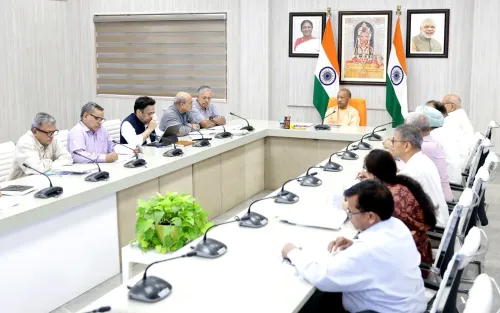
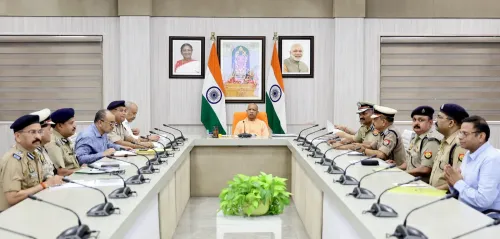
The Chief Minister's Office of Uttar Pradesh announced on Monday, 8 June 2026 that Chief Minister Yogi Adityanath chaired a review meeting of the Fire and Emergency Services Department in Lucknow, directing accelerated expansion of fire stations across the state and the formation of a new Specialized Rescue Group (SRG).
Context
At the meeting, CM Yogi directed that a Specialized Rescue Group (SRG) be constituted within the Fire and Emergency Services Department. In the first phase, preparations for establishing SRG units in 10 districts of the state have been completed. The SRG is designed to handle advanced rescue operations beyond conventional fire-fighting response.
The Chief Minister's Office stated — 'मुख्यमंत्री जी के निर्देश पर अग्निशमन एवं आपात सेवा विभाग में विशेषीकृत रेस्क्यू ग्रुप (एसआरजी) का गठन किया जा रहा है' — meaning: 'On the Chief Minister's instructions, a Specialized Rescue Group is being formed within the Fire and Emergency Services Department.'
Policy Backdrop
Uttar Pradesh has 350 tehsils — administrative sub-divisions that form the backbone of district governance. Of these, 296 tehsils currently have 326 permanent fire stations in operation, leaving a significant coverage gap in the remaining tehsils. Since 2017, the state government has pursued phased expansion of fire infrastructure as part of broader disaster-preparedness reforms.
An additional 26 new fire centres are ready for inauguration, while construction of 25 more centres is currently in progress. Detailed Project Reports (DPRs) for 47 further proposed centres are being prepared. CM Yogi directed that work to ensure fire services reach the remaining uncovered tehsils be expedited without delay.
Stakeholders and Impact
The expansion directly benefits residents of rural and semi-urban tehsils that currently lack permanent fire infrastructure — a gap that has historically delayed emergency response during fire incidents and natural disasters. Uttar Pradesh, India's most populous state, faces recurrent fire emergencies across both urban centres and agricultural zones, making last-mile coverage a critical public-safety priority.
Fire services personnel stand to gain from the SRG structure, which introduces a specialised tier for complex rescue operations. The model mirrors modernisation drives seen in other large Indian states, signalling an institutional upgrade rather than just brick-and-mortar expansion.
What's Next
The immediate milestones to watch are the formal inauguration of the 26 ready fire centres and the operationalisation of SRG units in the first 10 districts. The DPR process for the 47 proposed centres will determine the timeline for achieving full tehsil-level coverage. CM Yogi has called for necessary action to be accelerated so that fire services reach every remaining tehsil in the state, setting the stage for a follow-up review to assess compliance.
Point of View
Moving beyond incremental station construction toward specialised, tiered rescue capability. For a state of over 200 million people with persistent fire and disaster risks, the push to cover all 350 tehsils signals a governance priority around last-mile public safety. The SRG model — starting with 10 districts before scaling — reflects a phased rollout strategy that the Yogi administration has applied across multiple infrastructure programmes since 2017. Progress on the 26 inauguration-ready centres and the first-phase SRG districts will be the clearest near-term test of execution speed.
NationPress
24 Oct 2026
Frequently Asked Questions
What is the Specialized Rescue Group (SRG) in Uttar Pradesh?
The Specialized Rescue Group (SRG) is a new unit being formed within UP's Fire and Emergency Services Department to handle advanced rescue operations. In the first phase, it will be set up in 10 districts of the state on CM Yogi Adityanath's instructions.
How many permanent fire stations are operational in Uttar Pradesh?
As of the 8 June 2026 review, 326 permanent fire stations are operational across 296 of Uttar Pradesh's 350 tehsils, leaving several tehsils without dedicated fire coverage.
How many new fire stations are being built in Uttar Pradesh?
26 new fire centres are ready for inauguration, 25 are under construction, and DPRs for 47 more proposed centres are being prepared, according to the CM's review meeting.
Why did CM Yogi review the Fire and Emergency Services Department?
CM Yogi Adityanath chaired the review to assess the status of fire station expansion across all 350 tehsils and to direct the formation of the Specialized Rescue Group for advanced emergency response.
Which districts will get the Specialized Rescue Group first in UP?
The first phase of SRG formation covers 10 districts of Uttar Pradesh, though the specific district names were not disclosed in the official announcement from the Chief Minister's Office.