CM Yogi Directs Tech-Driven Delivery of Farmer Schemes in UP
Synopsis
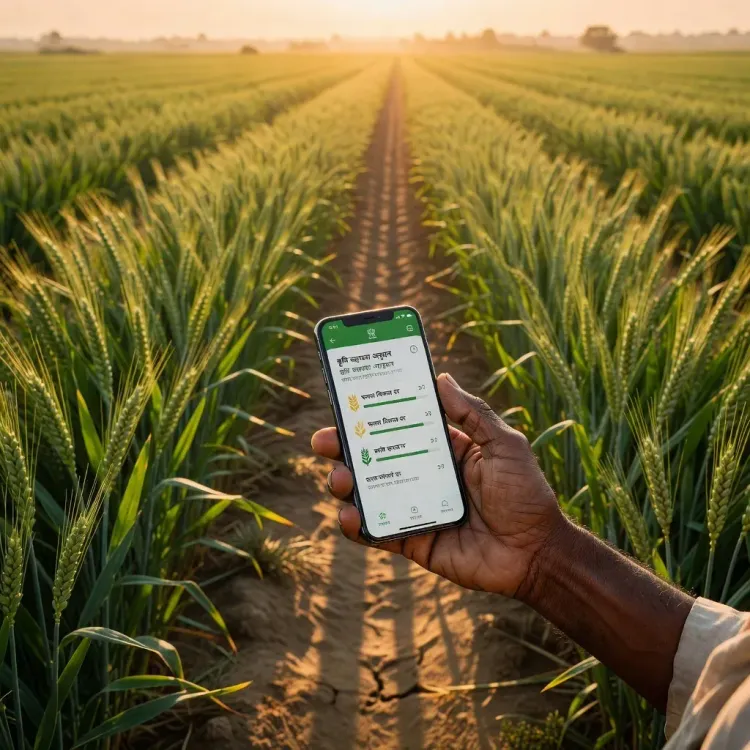
Chief Minister Yogi Adityanath has directed Uttar Pradesh officials to leverage technology for transparent, timely delivery of PM-KISAN, PMFBY and other farmer welfare schemes, while also pushing for balanced fertiliser use and adoption of organic alternatives.
Key Takeaways
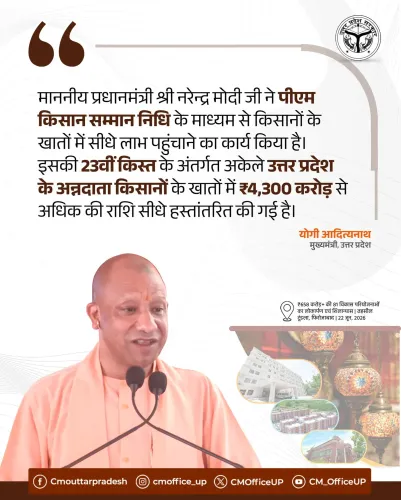
CM Yogi Adityanath directed officials to use technology for transparent and simplified delivery of farmer scheme benefits in Uttar Pradesh .
Eligible farmers must receive benefits of PM-KISAN and PMFBY , along with other schemes, on time, per the directive.
Farmers are to be encouraged to adopt balanced fertiliser use and shift toward organic alternatives .
PM-KISAN provides Rs 6,000 annual income support; PMFBY offers subsidised crop insurance against natural-calamity losses.
Uttar Pradesh has over 2 crore farm households and has been integrating Aadhaar-linked and mobile-based systems for welfare delivery since 2017 .
The directive comes ahead of the Kharif season registration drive, raising focus on last-mile benefit transfer.
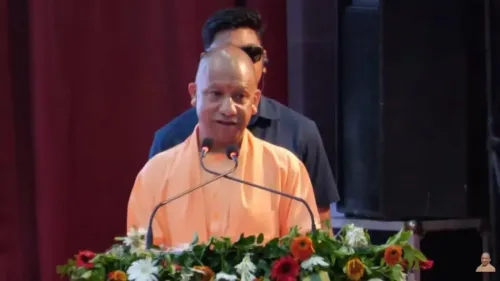
The Chief Minister's Office of Uttar Pradesh announced on Monday, 25 May 2026 that Chief Minister Yogi Adityanath has directed state officials to use technology to deliver benefits of multiple farmer welfare schemes in a transparent and simplified manner to eligible cultivators across the state.
In the directive, the Chief Minister instructed that farmers be encouraged to adopt balanced fertiliser use and shift toward organic alternatives. The official post quoted him as saying: 'संतुलित उर्वरक उपयोग और जैविक विकल्पों को अपनाने के लिए किसानों को प्रोत्साहित किया जाए' ('Farmers should be encouraged to adopt balanced fertiliser use and organic alternatives').
Context
The Chief Minister specifically directed that the benefits of the Pradhan Mantri Kisan Samman Nidhi (PM-KISAN) and the Pradhan Mantri Fasal Bima Yojana (PMFBY), along with other schemes, must reach eligible farmers on time. The emphasis was on transparent and simplified delivery, with technology as the primary enabler. The directive signals a push to close gaps in last-mile benefit transfer ahead of the upcoming Kharif season.Policy Backdrop
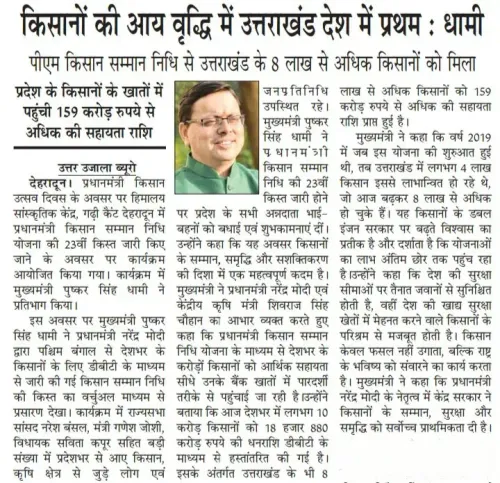
PM-KISAN, launched in February 2019, provides an annual income support of Rs 6,000 directly to eligible landholding farmer families through direct benefit transfer. PMFBY, rolled out from Kharif 2016, offers subsidised crop insurance against yield losses from natural calamities and replaced the earlier National Agricultural Insurance Scheme. Uttar Pradesh, home to over 2 crore farm households, is one of the largest implementing states for both programmes. The state has integrated Aadhaar-linked databases and mobile platforms with its welfare delivery infrastructure since 2017 to improve targeting and reduce leakage.Stakeholders and Impact
Small and marginal farmers, as well as tenant cultivators across Uttar Pradesh, stand to benefit most directly from faster and more transparent scheme delivery. The push toward balanced fertiliser use and organic farming aligns with the Paramparagat Krishi Vikas Yojana framework, under which the state has promoted organic clusters in recent years. For farmers dependent on timely insurance payouts and income-support instalments, technology-mediated disbursement reduces delays that have historically affected agricultural planning at the household level.What's Next
Attention will now turn to how swiftly state departments operationalise these directives, particularly in integrating soil-health-card data with PM-KISAN and PMFBY portals during the Kharif registration drive. The broader trajectory in Uttar Pradesh — and across major grain-producing states — points toward a continued shift from physical disbursement counters to fully digital, auditable welfare delivery. How effectively this translates to ground-level enrolment and timely payouts for small cultivators will be the real measure of the directive's impact.Point of View
The Chief Minister is threading two distinct policy priorities — administrative efficiency and agrarian sustainability — into a single instruction. This fits a broader pattern visible across large agricultural states, where digital infrastructure is increasingly used to justify tighter oversight of subsidy flows. The real test lies not in the directive but in measurable uptake numbers when Kharif registration opens.
NationPress
9 Oct 2026
Frequently Asked Questions
What did CM Yogi Adityanath direct regarding farmer schemes in UP?
CM Yogi Adityanath directed Uttar Pradesh officials to use technology to deliver benefits of PM-KISAN, PMFBY and other farmer welfare schemes to eligible farmers in a transparent and timely manner.
What is PM-KISAN and how much do farmers get?
PM-KISAN (Pradhan Mantri Kisan Samman Nidhi) is a central government scheme launched in February 2019 that provides Rs 6,000 per year in direct income support to eligible landholding farmer families.
What is PMFBY and who does it cover?
PMFBY (Pradhan Mantri Fasal Bima Yojana) is a subsidised crop insurance scheme launched in Kharif 2016 that covers farmers against yield losses caused by natural calamities, with technology-based yield assessment.
Why is UP focusing on organic farming and balanced fertiliser use?
CM Yogi's directive encourages balanced fertiliser use and organic alternatives as part of a broader state push aligned with the Paramparagat Krishi Vikas Yojana framework, which promotes organic farming clusters across Uttar Pradesh.
How many farm households are there in Uttar Pradesh?
Uttar Pradesh has over 2 crore farm households, making it India's largest agricultural state and one of the most significant implementing states for central farmer welfare programmes.