CM Yogi attends Partition Horrors exhibition in Lucknow
Synopsis
Chief Minister Yogi Adityanath attended a Partition Horrors Remembrance Day programme in Lucknow on 14 August 2026, observing an exhibition, live painting, and short film on the 1947 Partition tragedy — part of a BJP-led national effort to memorialise the human cost of India's birth.
Key Takeaways
14 August 2026 : CM Yogi Adityanath attended a Partition Horrors exhibition, live painting, and short film screening in Lucknow .
The Government of India designated 14 August as Vibhajan Vibhishika Smriti Diwas (Partition Horrors Remembrance Day) in 2021 .
The 1947 Partition displaced an estimated 10–20 million people and caused mass communal violence.
BJP -led state governments have made public exhibitions and cultural events a regular feature of the 14 August observance.
Uttar Pradesh absorbed significant numbers of Partition refugees, giving the state a direct historical stake in the commemoration.
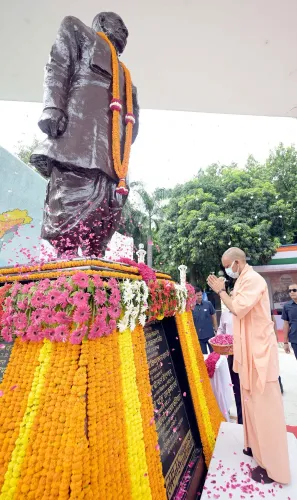
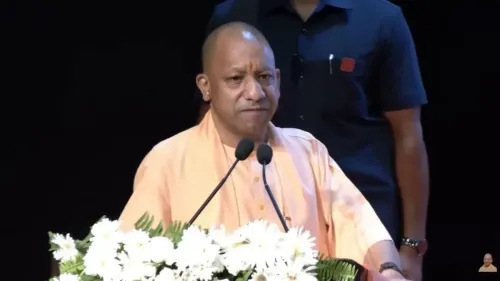
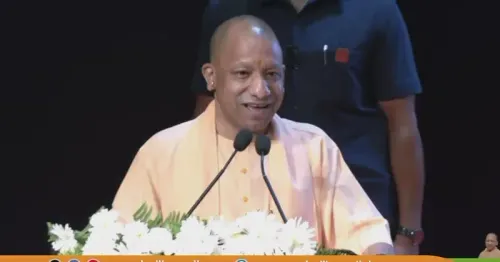
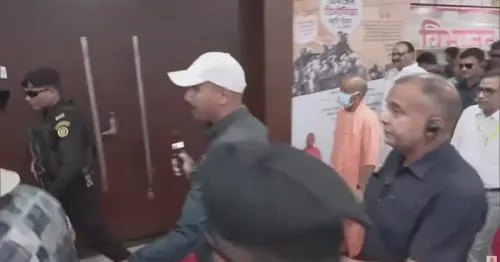
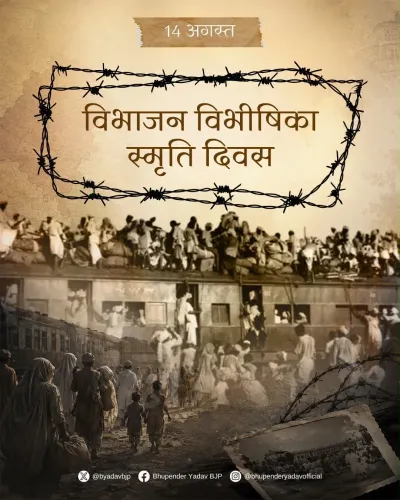
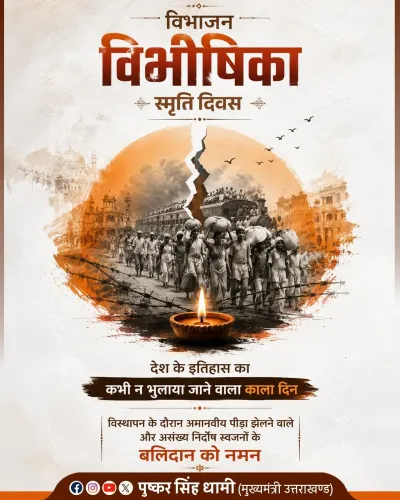
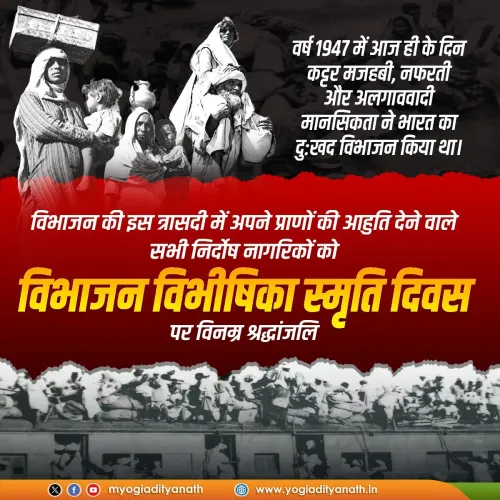
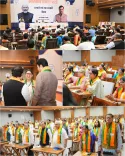
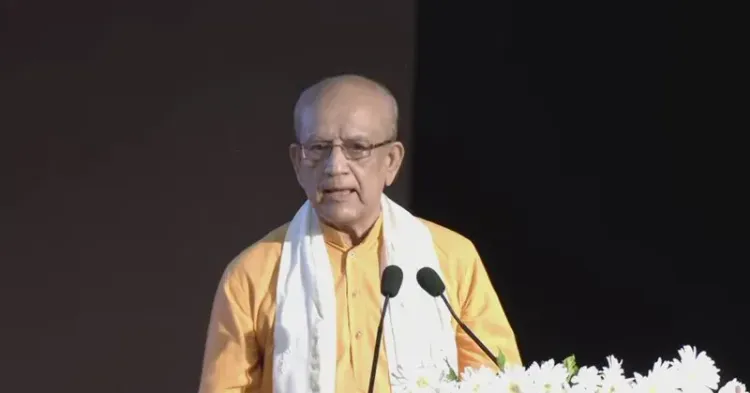
On 14 August 2026 — Partition Horrors Remembrance Day — Chief Minister Yogi Adityanath joined a solemn programme in Lucknow centred on the human tragedy of the 1947 Partition of India, attending an exhibition, a live painting session, and a short film screening dedicated to that defining catastrophe.
A day the nation set aside to remember
The Government of India declared 14 August as Vibhajan Vibhishika Smriti Diwas — Partition Horrors Remembrance Day — in 2021, institutionalising annual reflection on the mass displacement and communal violence that accompanied the birth of two nations. The date sits one day before Independence Day, a deliberate juxtaposition: freedom and its cost, side by side on the calendar.
For the millions of families uprooted across Punjab, Bengal, and Sindh in 1947, the Partition was not a political event — it was the destruction of a world. Estimates of the dead range from several hundred thousand to over a million; roughly 10 to 20 million people were displaced in one of history's largest forced migrations.
Lucknow's exhibition, canvas, and screen
BJP-led state governments have made public exhibitions and cultural programmes a recurring feature of the 14 August observance, using art, testimony, and film to give the statistics a human face. The Lucknow programme brought together three distinct forms — a curated exhibition of Partition-era imagery and artefacts, a live painting that rendered the tragedy in real time before an audience, and a short film — to create an immersive act of collective memory.
CM Yogi Adityanath's presence at the event signals the Uttar Pradesh government's continued commitment to keeping the Partition's human cost visible in public consciousness, particularly for younger generations who have no living memory of it.
Why UP's voice carries particular weight
Uttar Pradesh was among the states most profoundly affected by the Partition's ripple effects — waves of refugees resettled across the state, reshaping towns, economies, and communities. Commemorating that history in Lucknow, the state capital, grounds a national remembrance in local lived experience. That combination — state authority, cultural programming, and a fixed annual date — is precisely how collective memory gets institutionalised across generations.
The question going forward is whether these annual observances evolve into something more permanent: dedicated archives, oral-history projects, or a state-level Partition memorial that outlasts any single year's programme.
Point of View
Particularly among voters with no living connection to 1947. For Uttar Pradesh, a state that absorbed large refugee populations after Partition, the commemoration carries both historical authenticity and contemporary political resonance. The institutionalisation of the date in 2021 transformed what could have been one-off events into a durable annual ritual, which is how governments shape collective memory across generations. Whether the programme evolves into lasting infrastructure — archives, memorials, oral-history repositories — will determine whether this is remembrance or performance.
NationPress
29 Sept 2026
Frequently Asked Questions
What is Partition Horrors Remembrance Day?
Partition Horrors Remembrance Day is observed on 14 August each year. The Government of India declared the date in 2021 to commemorate the mass displacement and violence that accompanied the 1947 Partition of British India into India and Pakistan.
What did CM Yogi Adityanath do on 14 August 2026?
CM Yogi Adityanath attended a programme in Lucknow on 14 August 2026 that included an exhibition, a live painting session, and a short film screening, all focused on the tragedy of the 1947 Partition of India .
Why is 14 August chosen for Partition Remembrance Day?
14 August is the day Pakistan marks its independence, and it falls one day before India's Independence Day on 15 August . Placing the remembrance on this date underscores the inseparable link between independence and the violent displacement of the Partition.
How many people were displaced by the 1947 Partition?
Estimates suggest the 1947 Partition displaced between 10 and 20 million people across the Punjab, Bengal, and Sindh regions, making it one of the largest forced migrations in recorded history.
What is the significance of Lucknow hosting Partition remembrance events?
Uttar Pradesh , with Lucknow as its capital, received large numbers of refugees displaced by the 1947 Partition , giving the state a direct historical connection to the tragedy and making it a meaningful venue for annual commemorations.