CM Yogi pays tribute to Birsa Munda on Janjatiya Gaurav Diwas
Synopsis
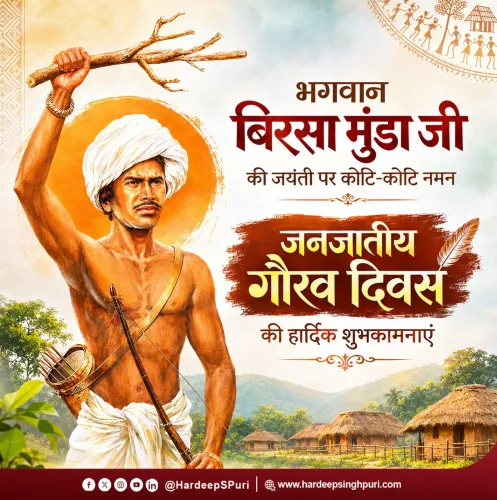
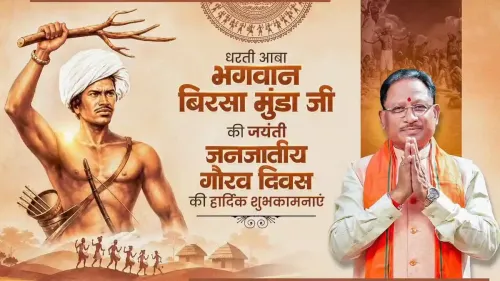
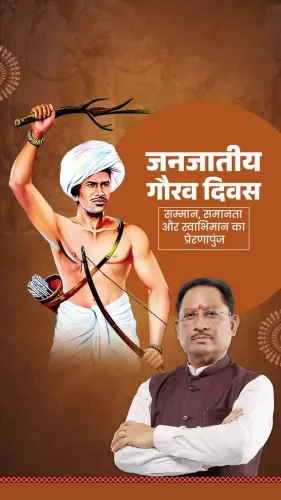
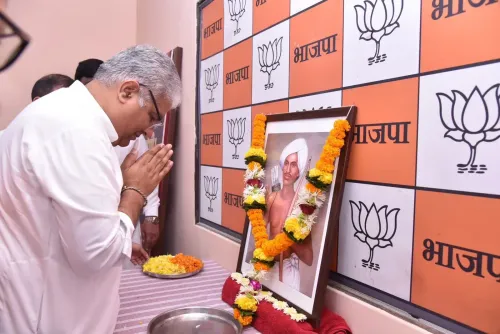
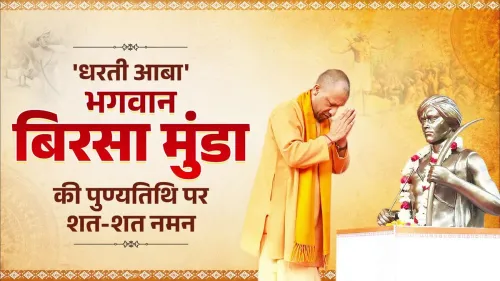
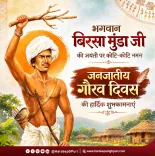
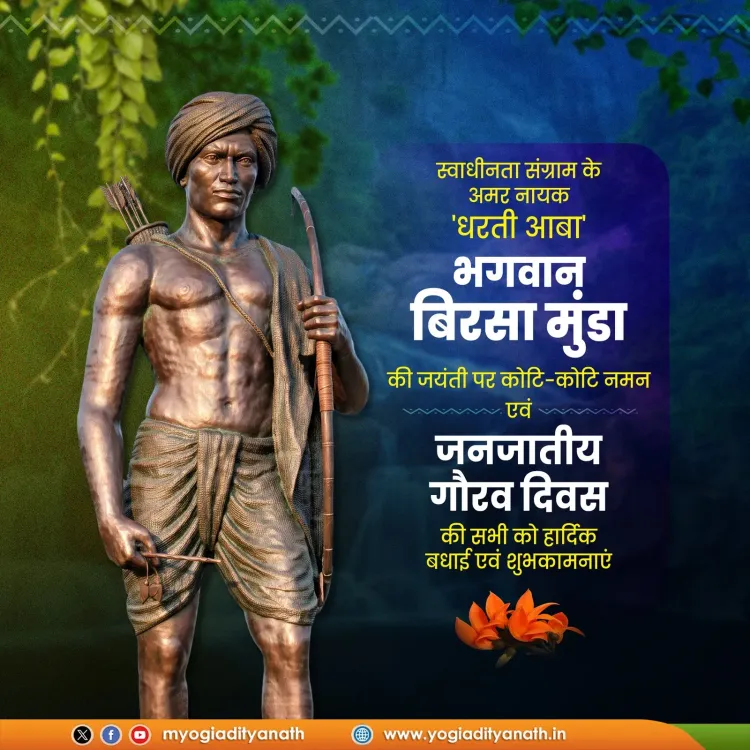
Uttar Pradesh Chief Minister Yogi Adityanath marked Janjatiya Gaurav Diwas on 15 November by paying tribute to Bhagwan Birsa Munda, the tribal freedom fighter revered as 'Dharti Aaba', honouring his struggle for tribal rights and cultural identity.
Key Takeaways
CM Yogi Adityanath greeted the nation on Janjatiya Gaurav Diwas, 15 November , opening with the Adivasi salutation 'Jai Johar' .
Bhagwan Birsa Munda (1875–1900) led the Ulgulan rebellion against British rule and landlord exploitation in present-day Jharkhand .
He is revered as 'Dharti Aaba' — Father of the Earth — across tribal communities in India.
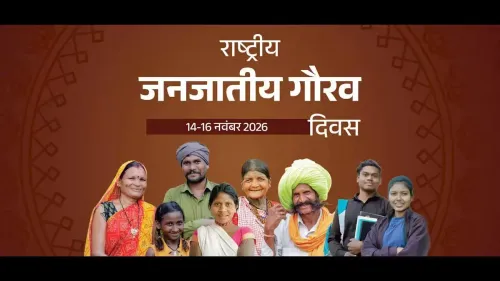
The Government of India declared 15 November as Janjatiya Gaurav Diwas in 2021 to honour tribal contributions to the freedom struggle.
CM Yogi described Birsa Munda's legacy as an immortal call to stay rooted in one's origins and dedicate oneself to the nation.
On Janjatiya Gaurav Diwas, 15 November, Uttar Pradesh Chief Minister Yogi Adityanath honoured the legacy of tribal icon Bhagwan Birsa Munda, saluting the freedom fighter's undying struggle for tribal rights and cultural identity with the traditional greeting 'Jai Johar' — a phrase of solidarity rooted in Adivasi tradition.
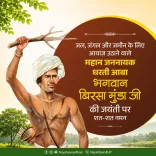
Posting on X, CM Yogi described Birsa Munda as a 'mahan jannayak' — a great people's leader — and an immortal warrior of the independence movement, extending greetings to all on the occasion of Janjatiya Gaurav Diwas. 'His indomitable struggle for tribal rights and cultural identity,' the Chief Minister wrote, 'is an immortal message to stay rooted in one's origins, uphold glorious traditions, and dedicate everything to the nation.'
Who was 'Dharti Aaba' Birsa Munda
Birsa Munda, born on 15 November 1875 in present-day Jharkhand, led the legendary Ulgulan — the 'Great Tumult' — a rebellion that challenged both British colonial authority and the exploitative landlord system that had stripped tribal communities of their land and livelihoods. He died in 1900, aged just 25, but left behind a movement that recast the idea of tribal dignity and resistance. Revered as 'Dharti Aaba' — Father of the Earth — he remains a defining symbol of Adivasi pride across India.
Why 15 November became a national day of tribal pride
In 2021, the Government of India formally declared 15 November as Janjatiya Gaurav Diwas to institutionalise recognition of tribal contributions to India's freedom struggle. The date was chosen specifically to coincide with Birsa Munda's birth anniversary, anchoring a living icon at the centre of the national calendar. The observance is now marked each year with cultural programmes, welfare initiatives, and tributes from leaders across the political spectrum.
CM Yogi's post reflects a broader political effort to weave Adivasi icons firmly into the mainstream national narrative — positioning tribal freedom fighters not as footnotes but as foundational figures in India's independence story. For BJP leaders in particular, Birsa Munda Jayanti has become a significant moment to affirm outreach to tribal communities, whose cultural heritage and electoral weight span states from Jharkhand and Odisha to Madhya Pradesh and Chhattisgarh.
The greeting 'Jai Johar' with which CM Yogi opened his post carries particular resonance — it is a salutation used within Adivasi communities to express respect and solidarity, and its use by a non-tribal political leader signals deliberate cultural acknowledgment.
A 25-year-old rebel who took on an empire now commands a national holiday. That is the arc Birsa Munda's legacy has travelled — and every 15 November, India is reminded why.
Point of View
Broadening the party's cultural outreach beyond its traditional base. The use of 'Jai Johar' — a specifically Adivasi salutation — signals cultural attentiveness that goes beyond a routine tribute. With tribal-dominated states remaining electorally significant, such gestures carry both symbolic and political weight. The institutionalisation of Janjatiya Gaurav Diwas in 2021 gave this annual outreach a formal state-backed platform that leaders across parties now engage with.
NationPress
15 Nov 2026
Frequently Asked Questions
What is Janjatiya Gaurav Diwas and when is it observed?
Janjatiya Gaurav Diwas is observed every year on 15 November to mark the birth anniversary of tribal freedom fighter Birsa Munda and to recognise the contributions of tribal communities to India's independence struggle. It was instituted by the Government of India in 2021 .
Who was Birsa Munda and why is he called 'Dharti Aaba'?
Birsa Munda (1875–1900) was a tribal leader from present-day Jharkhand who led the Ulgulan rebellion against British colonialism and landlord exploitation. He is called 'Dharti Aaba' — meaning 'Father of the Earth' — in reverence for his role as a protector of tribal land and identity.
What did CM Yogi Adityanath say on Janjatiya Gaurav Diwas?
CM Yogi described Birsa Munda as a great people's leader and immortal warrior, saying his struggle for tribal rights and cultural identity is a timeless message to stay rooted in one's origins, uphold traditions, and dedicate oneself to the nation. He opened his post with the Adivasi greeting 'Jai Johar' .
When did the Indian government declare Janjatiya Gaurav Diwas?
The Government of India declared 15 November as Janjatiya Gaurav Diwas in 2021 , choosing the date to coincide with Birsa Munda's birth anniversary.
What does 'Jai Johar' mean?
'Jai Johar' is a traditional salutation used within Adivasi communities across central and eastern India as an expression of respect, solidarity, and cultural pride.