CM Yogi pays floral tribute to Charan Singh on death anniversary
Synopsis
Chief Minister Yogi Adityanath paid floral tribute at Chaudhary Charan Singh's statue in Lucknow on 29 May 2026, marking the former Prime Minister and Bharat Ratna awardee's death anniversary in a livestreamed state ceremony that underscores the BJP government's outreach to UP's agrarian communities.
Key Takeaways
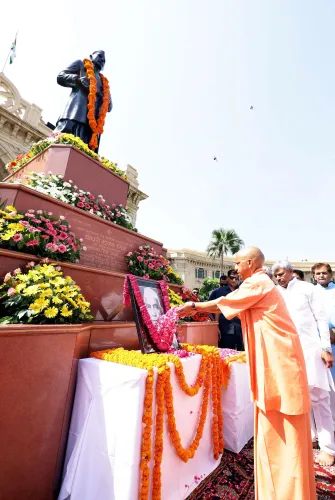
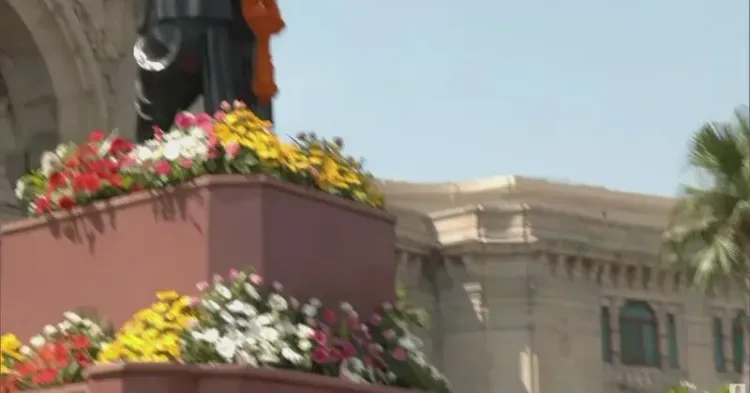
CM Yogi Adityanath garlanded the statue of former PM Chaudhary Charan Singh on his death anniversary, 29 May 2026 , in Lucknow .
Charan Singh served as India's fifth Prime Minister (1979–1980) and was posthumously awarded the Bharat Ratna .
The ceremony was livestreamed by the Chief Minister's Office of Uttar Pradesh on the official X account.
Annual death anniversary tributes at Charan Singh's statue have been held by successive UP governments since at least the 1990s .
The tribute holds particular resonance for the Jat community and farming populations of western Uttar Pradesh .
Observers will watch for similar observances on Charan Singh's birth anniversary on 23 December and related farmer welfare announcements.
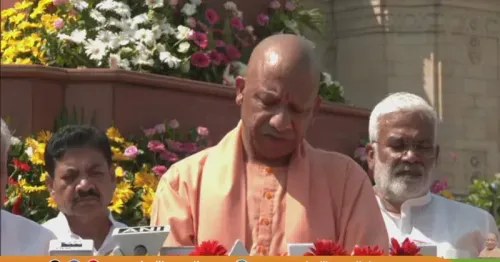
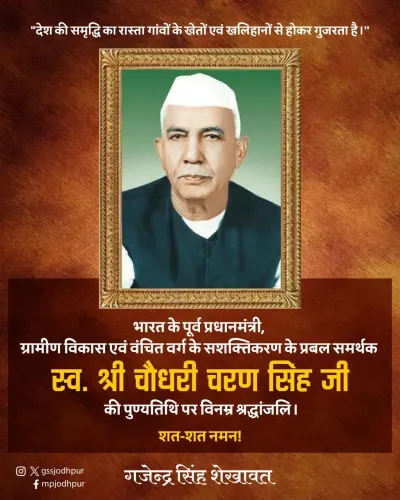
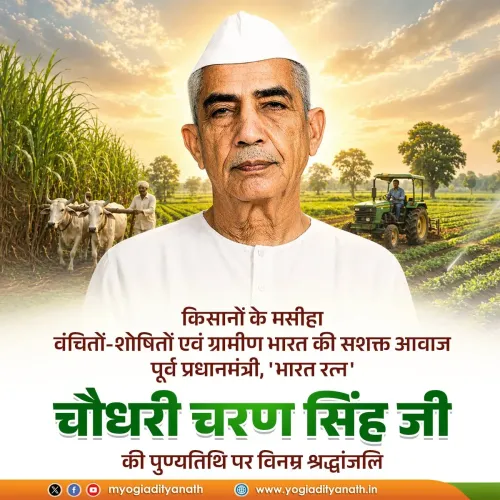
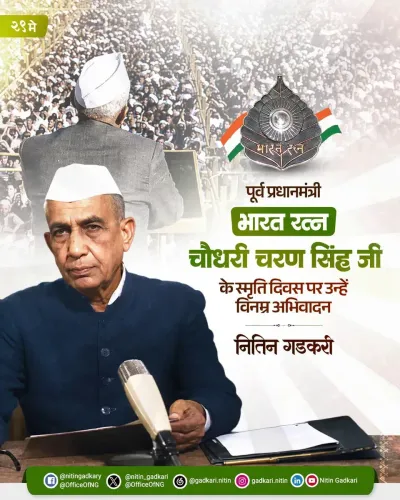
The Chief Minister's Office of Uttar Pradesh shared a live broadcast on 29 May 2026 showing Chief Minister Yogi Adityanath garlanding the statue of former Prime Minister and 'Bharat Ratna' awardee Chaudhary Charan Singh on his death anniversary. The ceremony marks an annual tradition of paying state-level homage to one of Uttar Pradesh's most revered political figures.
Context
The official post, shared under the hashtag #LIVE, captured CM Yogi offering floral tributes — maalyarpan (garland offering) — at Charan Singh's statue as part of his punyatithi (death anniversary) observance. The tribute was livestreamed, reflecting the state government's intent to broadcast the ceremony to a wide audience across Uttar Pradesh and beyond.
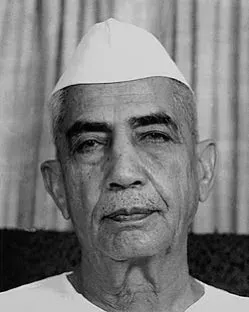
Chaudhary Charan Singh served as India's fifth Prime Minister from 1979 to 1980 and remains a towering symbol of agrarian politics and farmers' rights in the country. He was posthumously awarded the Bharat Ratna, India's highest civilian honour, in recognition of his lifelong service to the nation and its rural communities.
Policy Backdrop
Annual garlanding ceremonies at Charan Singh's statue in Lucknow have been a consistent feature of Uttar Pradesh's political calendar since at least the 1990s, observed by successive governments regardless of party affiliation. The BJP administration under CM Yogi Adityanath has maintained and formalised this tradition, regularly invoking Charan Singh's legacy in official communications — particularly his identity as a champion of the farming community.
The state government has also made a point of highlighting the Bharat Ratna designation in its tributes, lending additional institutional weight to the commemoration. This framing positions the BJP as a custodian of the legacies of leaders who shaped Uttar Pradesh's political and agrarian history.
Stakeholders and Impact
The tribute carries significant symbolic weight for the Jat community and the broader farming population of western Uttar Pradesh, where Charan Singh commands deep reverence. His political philosophy — centred on land rights, rural welfare, and the dignity of the peasant class — continues to resonate across agrarian belts of the state.
Successive administrations have recognised that marking such anniversaries publicly is a way of maintaining visibility and goodwill among rural and agrarian voters, a constituency that remains decisive in Uttar Pradesh's electoral arithmetic. The annual observance thus carries both cultural and political significance.
What's Next
Observers will watch whether similar tributes are repeated on Charan Singh's birth anniversary on 23 December, which has historically seen comparable state-level ceremonies. Any announcements tied to farmer welfare schemes or rural development programmes around these commemorations would further signal the government's policy priorities heading into the state's budget cycle. The continued elevation of Charan Singh's legacy in official discourse suggests his memory will remain a touchstone for political outreach in Uttar Pradesh for the foreseeable future.
Point of View
Which are electorally significant. The annual repetition of such ceremonies converts a cultural ritual into a sustained political signal.
NationPress
19 Sept 2026
Frequently Asked Questions
Who was Chaudhary Charan Singh?
Chaudhary Charan Singh was India's fifth Prime Minister , serving from 1979 to 1980 . Born in Uttar Pradesh , he was a prominent advocate for farmers' rights and rural communities, and the founder of the Lok Dal party. He was posthumously awarded the Bharat Ratna , India's highest civilian honour.
Why did CM Yogi Adityanath garland Charan Singh's statue?
CM Yogi Adityanath offered floral tributes at Charan Singh's statue to mark his punyatithi (death anniversary) on 29 May 2026 . This is an annual state ceremony that successive Uttar Pradesh governments have observed since at least the 1990s.
When is Charan Singh's death anniversary?
Chaudhary Charan Singh's death anniversary falls on 29 May each year. The date is marked with official state ceremonies in Lucknow , including garlanding of his statue.
What is the Bharat Ratna awarded to Charan Singh for?
Chaudhary Charan Singh was awarded the Bharat Ratna posthumously in recognition of his lifelong contributions to Indian politics, his advocacy for farmers and rural communities, and his service as Prime Minister of India.
Why is Charan Singh important to western Uttar Pradesh?
Charan Singh is deeply revered in western Uttar Pradesh , particularly among the Jat community and the farming population, because his political career was built around defending agrarian interests, land rights, and the welfare of peasant communities in the region.