Gadkari pays tribute to former PM Charan Singh on death anniversary
Synopsis
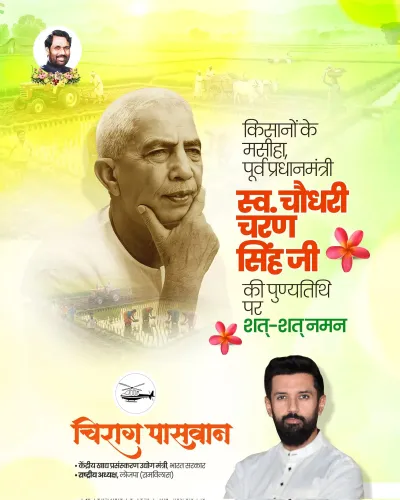
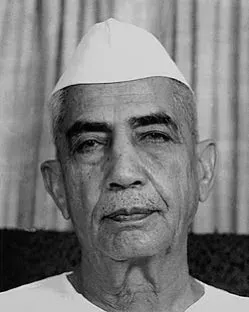
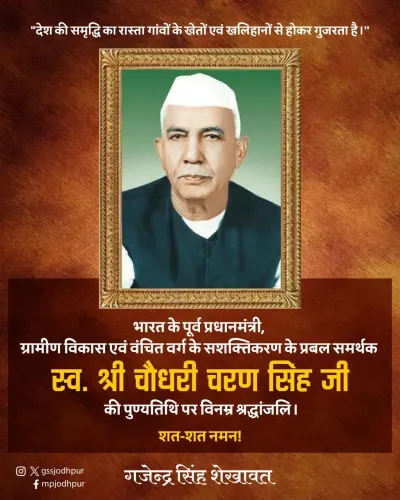
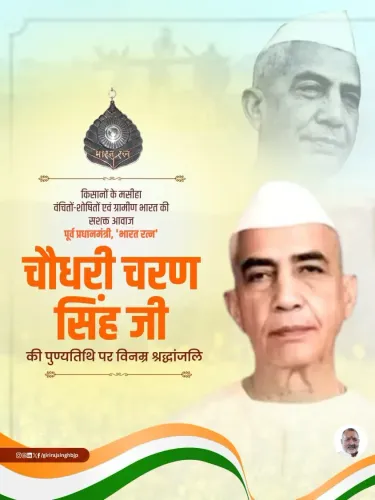
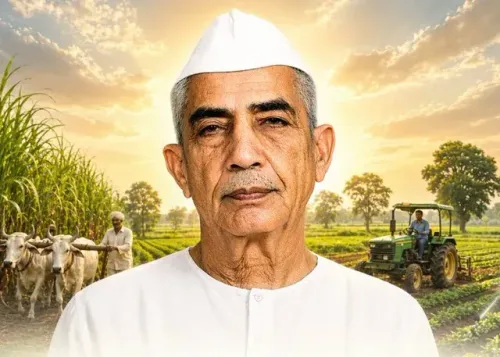
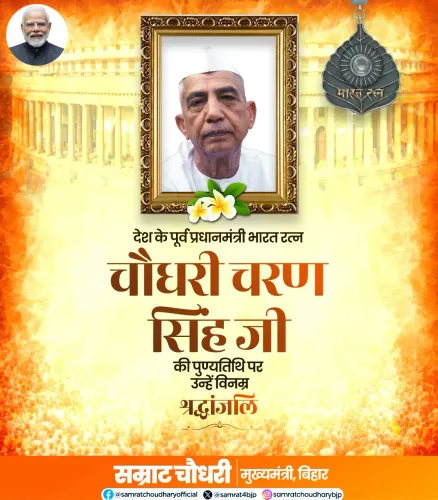
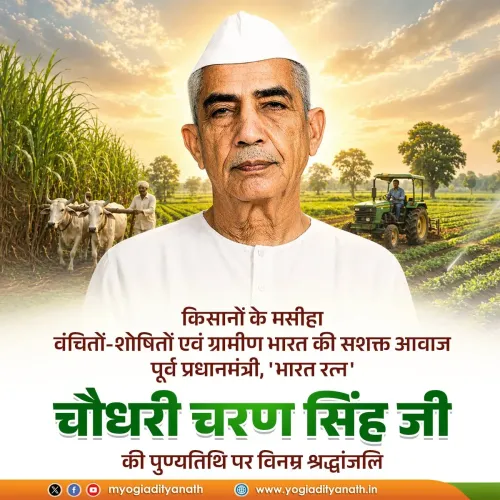
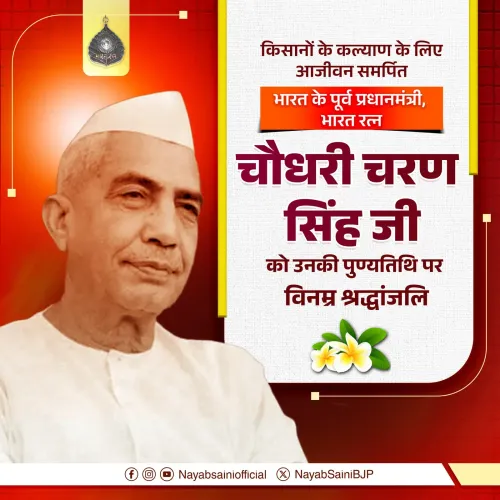
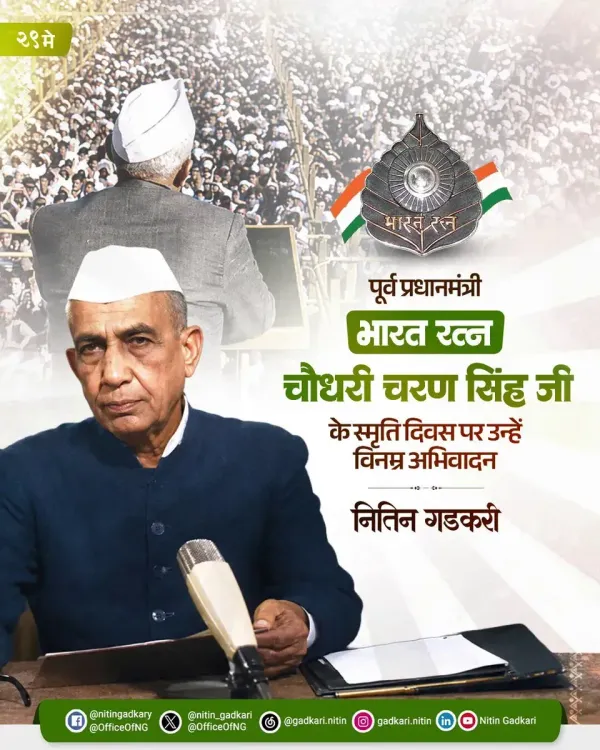
Union Minister Nitin Gadkari on 29 May 2026 paid tribute to former Prime Minister Chaudhary Charan Singh on his death anniversary. Charan Singh, posthumously awarded the Bharat Ratna in 2024, is remembered as a champion of farmers' rights and landmark land reforms in Uttar Pradesh.
Key Takeaways
Nitin Gadkari posted a tribute to Chaudhary Charan Singh on his smriti divas , 29 May 2026 .
Charan Singh served as India's fifth Prime Minister (July 1979 – January 1980) and was a leading advocate for farmers' rights.
He passed away on 29 May 1987 , and the date is observed annually as his remembrance day.
The Union government posthumously awarded Charan Singh the Bharat Ratna in 2024 , India's highest civilian honour.
As Uttar Pradesh Chief Minister in the 1950s–60s, Charan Singh enacted zamindari-abolition and land-ceiling laws that remain reference points in rural policy.
BJP leaders regularly pay public tribute to Charan Singh on 29 May, reflecting his enduring political significance among farmers and rural voters .
Union Road Transport and Highways Minister Nitin Gadkari on Friday, 29 May 2026 paid homage to former Prime Minister and Bharat Ratna awardee Chaudhary Charan Singh on his death anniversary, honouring the veteran agrarian leader's enduring legacy for India's farming communities.
Context
Posting on X, Gadkari offered a respectful salute — 'विनम्र अभिवादन' (humble salutations) — to Charan Singh, describing him as a 'प्रखर नेता' (resolute leader) who 'raised the voice of farmers.' Chaudhary Charan Singh passed away on 29 May 1987, and the date is observed annually as his smriti divas (remembrance day).
Charan Singh served as India's fifth Prime Minister from July 1979 to January 1980 and held the office of Uttar Pradesh Chief Minister on multiple occasions. He remains one of the most prominent voices for agrarian rights in post-Independence India.
Policy Backdrop
In 2024, the Union government posthumously conferred the Bharat Ratna — India's highest civilian honour — on Chaudhary Charan Singh, recognising his lifelong dedication to peasant welfare and land reform.
As Uttar Pradesh Chief Minister during the 1950s and 1960s, Charan Singh enacted landmark land-ceiling and zamindari-abolition laws that dismantled feudal agricultural structures and redistributed land to small and marginal farmers. These reforms remain foundational reference points in Indian rural-policy discourse.
Stakeholders and Impact
Charan Singh's legacy resonates most strongly among farmers and rural communities, particularly across Uttar Pradesh, Haryana, and Rajasthan, where he built a powerful political base rooted in the interests of peasant cultivators.
BJP leaders, including senior ministers such as Gadkari, have regularly issued public tributes to Charan Singh on 29 May, framing his legacy as a symbol of farmer welfare and connecting it to the party's current agricultural and rural-development agenda. The practice reflects a broader pattern of highlighting pre-Congress or non-Congress rural icons in electorally significant states.
What's Next
Charan Singh's ideas on minimum support price, land rights, and rural infrastructure continue to be invoked in parliamentary debates and budget discussions. Observers will watch whether his legacy is referenced in upcoming Union Budget deliberations or the Monsoon Session of Parliament in the context of farmer-welfare schemes.
As agrarian issues remain central to Indian politics, tributes such as Gadkari's signal the continued political salience of Charan Singh's thought in shaping discourse around rural India's future.
Point of View
Reinforcing the party's outreach to farmer communities and rural voters, particularly in Uttar Pradesh. The posthumous Bharat Ratna awarded in 2024 elevated Charan Singh's symbolic value, giving such tributes added institutional weight. By invoking a leader historically associated with peasant movements and land reform, senior BJP figures signal continuity between Charan Singh's agrarian vision and their own policy messaging. The annual ritual underscores how legacy politics and farmer welfare remain intertwined in India's electoral calculus.
NationPress
19 Sept 2026
Frequently Asked Questions
Who was Chaudhary Charan Singh?
Chaudhary Charan Singh was India's fifth Prime Minister, serving from July 1979 to January 1980. He was a prominent farmer leader and Uttar Pradesh Chief Minister known for championing land reforms and agrarian rights.
When did Chaudhary Charan Singh die?
Chaudhary Charan Singh passed away on 29 May 1987. His death anniversary is observed annually as his smriti divas across India, especially in Uttar Pradesh.
Was Chaudhary Charan Singh awarded the Bharat Ratna?
Yes. The Union government posthumously conferred the Bharat Ratna — India's highest civilian honour — on Chaudhary Charan Singh in 2024, recognising his lifelong contributions to farmer welfare and land reform.
Why do BJP leaders pay tribute to Charan Singh?
BJP leaders regularly honour Charan Singh on his death anniversary as part of outreach to farmer communities and rural voters, particularly in Uttar Pradesh. His legacy on agrarian rights and land reform aligns with the party's rural-development messaging.
What land reforms did Charan Singh introduce?
As Uttar Pradesh Chief Minister in the 1950s and 1960s, Charan Singh enacted land-ceiling laws and zamindari-abolition measures that redistributed land to small and marginal farmers, dismantling feudal agricultural structures.