CM Yogi Raises Shiksha Mitra Pay from ₹10,000 to ₹18,000
Synopsis
Uttar Pradesh CM Yogi Adityanath announced on 1 July 2026 that the state has raised Shiksha Mitra honoraria from ₹10,000 to ₹18,000 and Anudeshak pay from ₹9,000 to ₹17,000, marking a significant revision in compensation for contractual education workers.
Key Takeaways
Shiksha Mitra monthly honorarium raised from ₹10,000 to ₹18,000 — an increase of ₹8,000 (80 per cent) .
Anudeshak monthly honorarium raised from ₹9,000 to ₹17,000 — an increase of ₹8,000 (approximately 89 per cent) .
The revision was announced by CM Yogi Adityanath on 1 July 2026 via an official post on X.
The Shiksha Mitra scheme dates to 1999 and remains central to primary education staffing in rural Uttar Pradesh .
Both Shiksha Mitras and Anudeshaks are contractual workers, not regularised government employees.
Rollout of the revised payments and budget provisions remain to be confirmed.
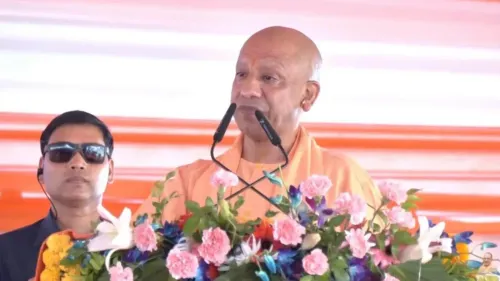
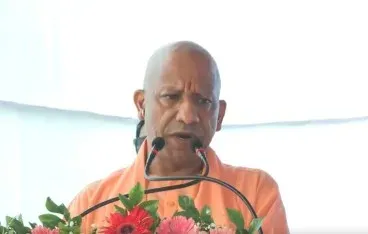
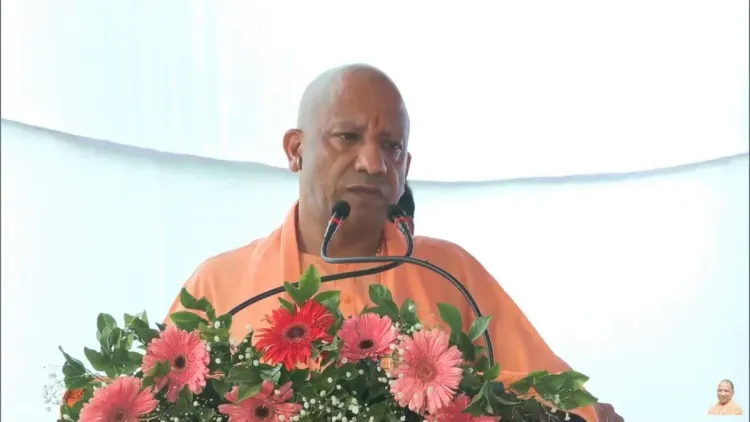
Uttar Pradesh Chief Minister Yogi Adityanath announced on Wednesday, 1 July 2026 that the Uttar Pradesh Government has raised the monthly honorarium of Shiksha Mitras from ₹10,000 to ₹18,000 and that of Anudeshaks (instructors) from ₹9,000 to ₹17,000, marking one of the largest single-step revisions in pay for contractual education workers in the state.
Context
In his post on X, CM Yogi stated: 'UPGovt ने शिक्षामित्रों के मानदेय को ₹10,000 से बढ़ाकर ₹18,000 किया है। अनुदेशकों के मानदेय को ₹9,000 से बढ़ाकर ₹17,000 किया है...' — meaning 'The UP Government has raised the honorarium of Shiksha Mitras from ₹10,000 to ₹18,000. The honorarium of Anudeshaks has been raised from ₹9,000 to ₹17,000.' The increases represent an 80 per cent hike for Shiksha Mitras and an approximately 89 per cent hike for Anudeshaks.
Shiksha Mitras are contractual para-teachers deployed in government primary schools across Uttar Pradesh to address chronic teacher shortages, particularly in rural and semi-urban areas. Anudeshaks are instructors engaged in supplementary educational and vocational training programmes run by the state.
Policy Backdrop
The Shiksha Mitra scheme was introduced in Uttar Pradesh around 1999 to place para-teachers in government primary schools where regular teaching posts remained vacant. Over the decades, the scheme expanded significantly, making Shiksha Mitras a critical pillar of primary education delivery in the state's vast rural belt.
Periodic revisions of honoraria for these contractual workers have been a recurring feature of education policy in Uttar Pradesh, often tied to budget cycles, court directives, or broader welfare commitments made by successive state governments. The Yogi Adityanath administration, which has been in office since 2017, has framed such revisions as part of its wider effort to improve service conditions alongside school infrastructure upgrades and teacher recruitment drives.
Stakeholders and Impact
Shiksha Mitras and Anudeshaks are among the most numerous categories of contractual education workers in Uttar Pradesh, the country's most populous state. Their compensation had long lagged behind that of regularised teachers, making honorarium revisions a politically and economically significant step for tens of thousands of workers and their families.
The revised pay structure is expected to ease financial pressure on these workers, many of whom serve in remote Uttar Pradesh villages where they are often the primary or sole education provider. Improved compensation may also help reduce attrition and absenteeism in a cadre that has historically faced job insecurity and low pay.
What's Next
The immediate focus will be on the rollout of revised payments and whether the revision is reflected in the upcoming state budget provisions. Observers will also watch for any linked announcements on regularisation, service benefits, or further recruitment of contractual education staff in Uttar Pradesh.
The revision signals that contractual education workers will remain a key constituency for the Yogi government as the state navigates ongoing challenges in primary school staffing and learning outcomes.
Point of View
And addressing their long-standing pay grievances reduces a potential pressure point for the government. The revision also fits a broader pattern in which the BJP-led state government has sought to demonstrate tangible delivery to public-sector workers without committing to full regularisation, balancing fiscal prudence with electoral optics. Whether the hike translates into improved classroom outcomes will depend on implementation speed and whether related issues of job security and service conditions are addressed in parallel.
NationPress
1 Jul 2026
Frequently Asked Questions
What is the new honorarium for Shiksha Mitras in Uttar Pradesh?
The new monthly honorarium for Shiksha Mitras in Uttar Pradesh is ₹18,000 , raised from the earlier ₹10,000 as announced by CM Yogi Adityanath on 1 July 2026.
What is the new salary for Anudeshaks in UP?
Anudeshaks in Uttar Pradesh will now receive a monthly honorarium of ₹17,000 , up from ₹9,000 , following the revision announced by the UP government.
Who are Shiksha Mitras and what do they do?
Shiksha Mitras are contractual para-teachers appointed in government primary schools in Uttar Pradesh to address teacher shortages, particularly in rural areas. The scheme was introduced around 1999 .
When did CM Yogi announce the Shiksha Mitra pay hike?
The announcement was made by CM Yogi Adityanath on Wednesday, 1 July 2026 , through a post on the social media platform X.
Are Shiksha Mitras regular government employees?
Shiksha Mitras are contractual workers, not regularised government employees. They receive an honorarium rather than a formal salary, and their service conditions differ from those of permanent teachers.