CM Yogi Reviews Agriculture Depts, Orders Monsoon Preparedness
Synopsis
Chief Minister Yogi Adityanath on 23 June 2026 reviewed departments under Uttar Pradesh's Agriculture Production Commissioner branch and ordered all district magistrates to prepare localised contingency plans ahead of the Kharif season, citing growing monsoon uncertainty.
Key Takeaways
CM Yogi Adityanath conducted a detailed review of departments under the Agriculture Production Commissioner branch on 23 June 2026 .
The CM cited weather uncertainty and changing rainfall patterns as the basis for the review.
All district magistrates and concerned departments were directed to ensure advance preparedness tailored to local conditions.
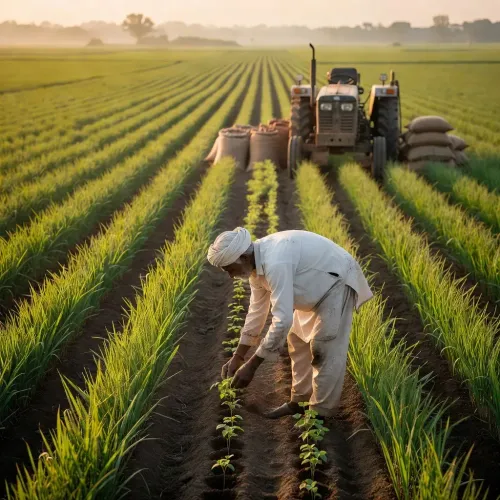
Uttar Pradesh is India's largest state by population and a major producer of wheat, rice, and sugarcane, making monsoon preparedness critical to rural livelihoods.
The review follows a pattern of pre-monsoon administrative exercises the state government has conducted in preceding years.
District-level rollout of contingency plans and potential irrigation or early-warning investments will be closely watched during the Kharif season .
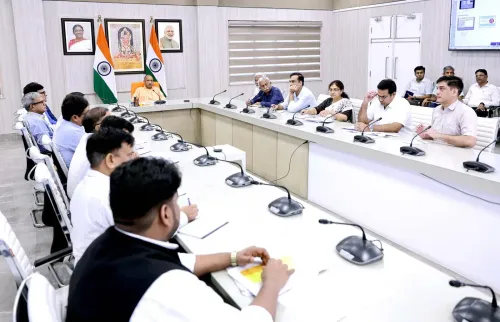
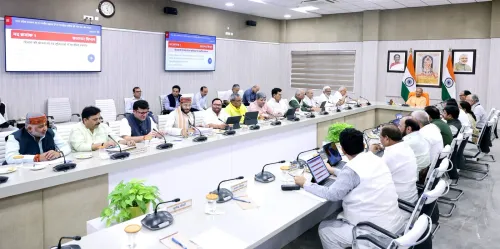
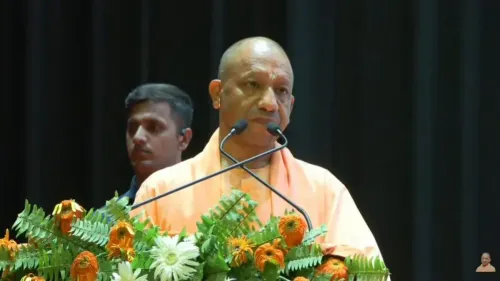
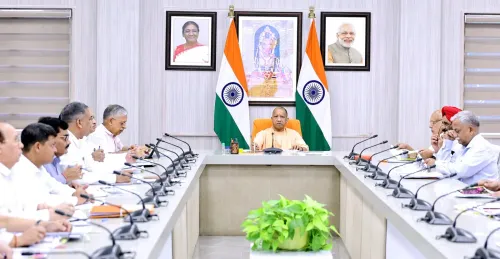
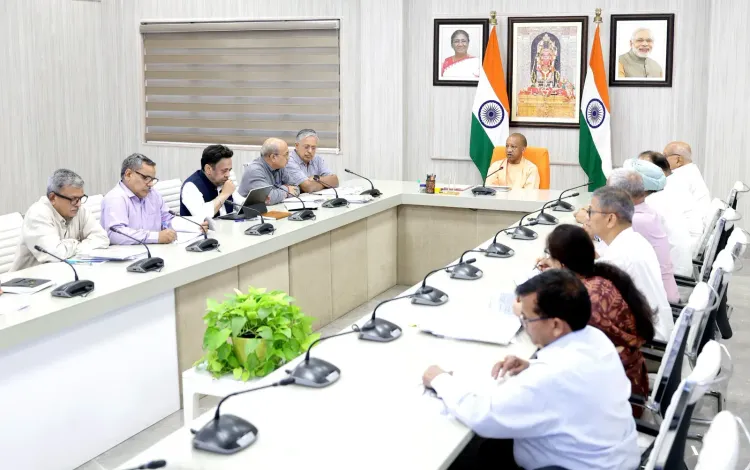
The Chief Minister's Office of Uttar Pradesh announced on Tuesday, 23 June 2026 that Chief Minister Yogi Adityanath conducted a comprehensive review of departments under the Agriculture Production Commissioner branch, directing all district magistrates and concerned departments to ensure advance preparedness in line with local conditions amid growing weather uncertainty.
Addressing officials during the review, CM Yogi Adityanath stated, as quoted by the Chief Minister's Office: 'mausam ki anishchitata aur varsha ke badalte swaroop ko dekhte hue' — 'given the uncertainty of weather and the changing pattern of rainfall' — the state must remain prepared for every contingency. The directive was issued to all district magistrates (jilaadhikariyon) and related departments to align their preparedness plans with ground-level conditions.
Context
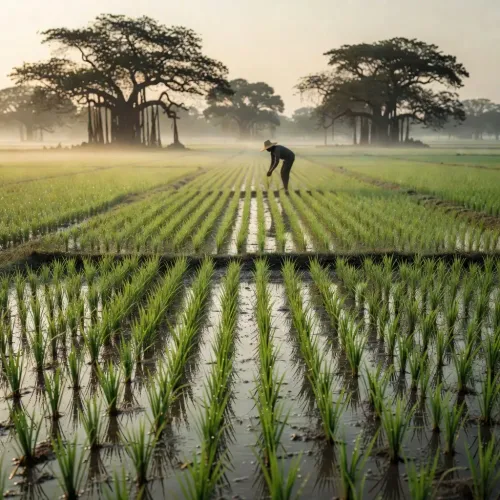
Uttar Pradesh is India's most populous state and one of its foremost agricultural producers, with major Kharif and Rabi crops including wheat, rice, and sugarcane underpinning rural livelihoods across its 75 districts. The state's agricultural output is acutely sensitive to monsoon behaviour, making pre-season administrative reviews a critical governance tool. The June timing of this review coincides with the onset of the southwest monsoon over the region. The Agriculture Production Commissioner branch serves as the nodal bureaucratic structure coordinating multiple departments — including agriculture, irrigation, and allied services — responsible for production planning and contingency management across the state.Policy Backdrop
The Yogi Adityanath government has institutionalised pre-monsoon departmental reviews as a recurring administrative practice in preceding years, reflecting a broader recognition that monsoon rainfall variability in Uttar Pradesh has intensified over the past decade. Both deficit rainfall and excess precipitation have caused significant disruption to crop cycles in different seasons, prompting the state government to emphasise local contingency planning rather than uniform statewide responses. This approach aligns with a wider pattern visible across Indian states of moving toward climate-adaptive agricultural governance — building administrative capacity to respond to weather extremes at the district level rather than relying solely on post-disaster relief.Stakeholders and Impact
The primary beneficiaries of effective monsoon preparedness are Uttar Pradesh's farming communities, who depend on timely advisories, irrigation support, and crop insurance mechanisms to protect their livelihoods against weather shocks. District magistrates have been placed at the centre of the implementation chain, with the directive explicitly requiring them to tailor preparedness measures to their specific local conditions. Departments under the Agriculture Production Commissioner branch — spanning horticulture, irrigation, land development, and agricultural marketing — are collectively responsible for translating the CM's directives into on-ground action before and during the Kharif season.What's Next
Attention will now turn to how swiftly district administrations across Uttar Pradesh roll out weather-specific contingency plans, and whether the state government follows up with targeted budget allocations or infrastructure investments in irrigation and early-warning systems. With the Kharif sowing season underway, the pace of district-level implementation will determine how effectively the state's agricultural sector weathers the monsoon's unpredictability this year. Sustained administrative follow-through at the local level remains the key variable in translating this high-level review into tangible farmer-level protection.Point of View
Having placed the onus on district-level officials. Whether this translates into substantive farmer-level protection depends on whether the review is followed by resource allocation, not just administrative instruction.
NationPress
23 Jun 2026
Frequently Asked Questions
Why did CM Yogi Adityanath review agriculture departments in June 2026?
CM Yogi Adityanath reviewed departments under the Agriculture Production Commissioner branch on 23 June 2026 to ensure the state is prepared for weather uncertainty and changing monsoon rainfall patterns ahead of the Kharif season.
What is the Agriculture Production Commissioner branch in Uttar Pradesh?
The Agriculture Production Commissioner branch is a nodal bureaucratic structure in Uttar Pradesh that coordinates multiple departments — including agriculture, irrigation, and allied services — for production planning and contingency management.
What did CM Yogi direct district magistrates to do?
CM Yogi directed all district magistrates and concerned departments to ensure advance preparedness aligned with their specific local conditions to handle any weather-related contingency.
How does monsoon variability affect Uttar Pradesh farmers?
Uttar Pradesh is a leading producer of wheat, rice, and sugarcane, and its farmers are highly vulnerable to both deficit and excess rainfall, which can disrupt crop cycles and rural livelihoods across the state's 75 districts.
What happens after such a departmental review in UP?
Following such reviews, district administrations are expected to roll out localised contingency plans; the state government may also announce targeted budget allocations for irrigation infrastructure or early-warning systems.