CM Yogi Salutes Gahmar: UP's Village of Soldiers
Synopsis
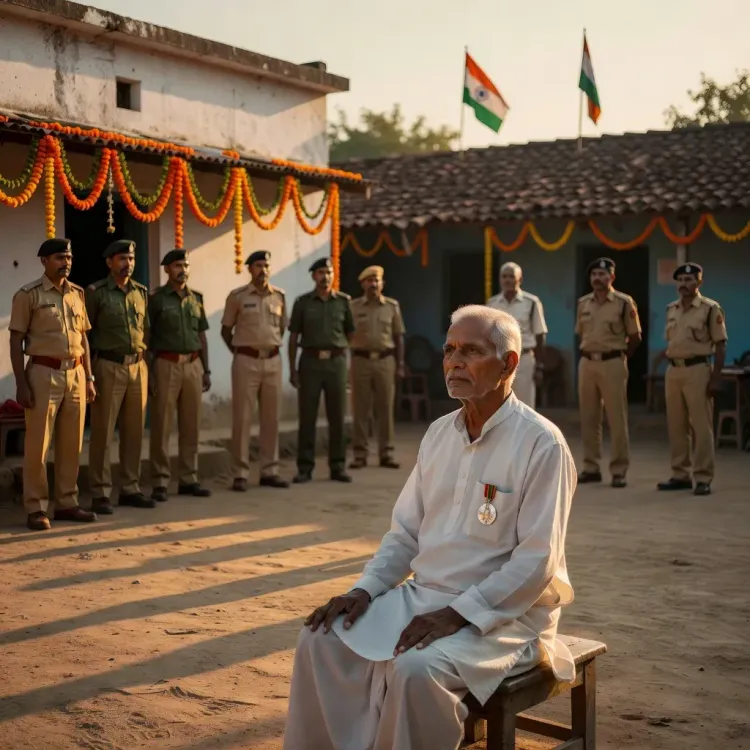
Chief Minister Yogi Adityanath has paid tribute to Gahmar village in Ghazipur, calling it a pillar of India's defence. The village reportedly houses over 12,000 serving and 15,000 retired armed forces personnel, reflecting eastern UP's deep martial tradition dating to the 1857 revolt.
Key Takeaways
CM Yogi Adityanath on 30 July 2026 quoted Gahmar village in Ghazipur as home to more than 12,000 serving soldiers and army officers.
The village also houses more than 15,000 retired soldiers and army officers, according to the Chief Minister's statement.
Gahmar has historical roots in the 1857 revolt and the broader freedom struggle rooted in Ghazipur district .
Eastern Uttar Pradesh's Purvanchal region has historically supplied a disproportionately large share of Indian Armed Forces recruits.
CM Yogi has consistently highlighted regional defence contributions since assuming office in 2017 .
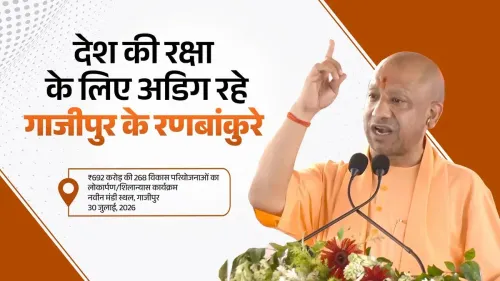
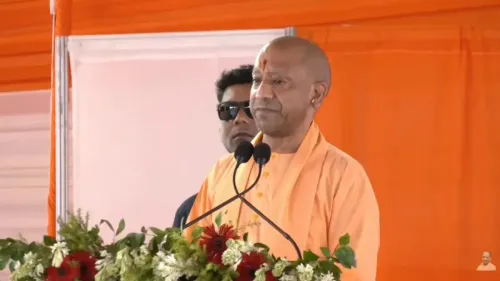
In the flatlands of eastern Uttar Pradesh, one village has quietly built a reputation that few places in India can match — Gahmar, in Ghazipur district, has sent generation after generation of its sons to defend the nation's borders. On Thursday, 30 July 2026, the Chief Minister's Office of Uttar Pradesh quoted Chief Minister Yogi Adityanath in a tribute that put Gahmar's extraordinary legacy into sharp relief.
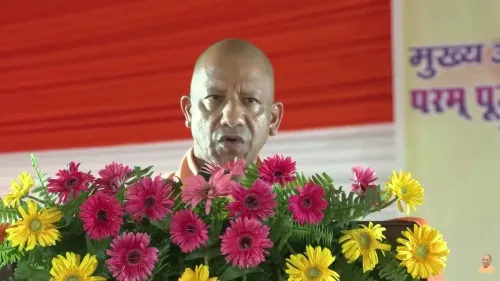
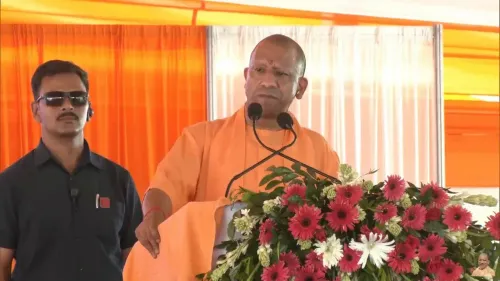
Speaking of the village, CM Yogi Adityanath said: 'Gahmar village in Ghazipur made an important contribution to the country's freedom struggle and continues to play a vital role in protecting the nation's borders in independent India. More than 12,000 serving soldiers and army officers, and more than 15,000 retired soldiers and army officers, reside in Gahmar village.'
A Village That Marched to War — and Never Stopped
Gahmar's connection to national service stretches back to the colonial era, with documented participation in the 1857 revolt and the broader freedom movement rooted in Ghazipur's anti-colonial uprisings. That tradition did not end at independence — it deepened. The village sits in the Purvanchal belt of eastern UP, a region that has historically supplied a disproportionately large share of recruits to the Indian Armed Forces, reflecting martial traditions that have been passed down across families for over a century.
Ghazipur's Place in India's Defence Fabric
Ghazipur district, where Gahmar is located, has long been part of a corridor of eastern UP villages that feed directly into army recruitment pipelines. Successive state governments have periodically recognised such villages, but the scale cited for Gahmar — a single village home to tens of thousands of serving and retired defence personnel — marks it as an outlier even within this tradition. The Indian Armed Forces have drawn heavily from rural eastern UP for decades, and Gahmar has come to embody that relationship most visibly.
CM Yogi Adityanath, who has consistently highlighted regional contributions to national security since taking office in 2017, used the occasion to weave together Gahmar's freedom-struggle heritage and its present-day defence contributions — framing the village not as a relic of history but as an active pillar of the republic.
For the military families of Gahmar, the tribute is a recognition of a sacrifice that has never paused — from the colonial-era uprisings of Ghazipur to the high-altitude posts of today's borders.
Point of View
The statement frames patriotism as a living inheritance rather than a historical footnote. For the BJP government, spotlighting veteran-dense communities also signals intent toward ex-servicemen welfare, a constituency that carries real political and moral weight. Whether this tribute translates into concrete policy announcements — recruitment rallies, veteran welfare schemes, or infrastructure in Ghazipur — will determine its lasting significance.
NationPress
13 Sept 2026
Frequently Asked Questions
Why is Gahmar village in Ghazipur famous?
Gahmar village in Ghazipur, Uttar Pradesh, is widely regarded as one of India's most soldier-dense villages, with CM Yogi Adityanath citing over 12,000 serving and 15,000 retired army personnel residing there. The village also has documented roots in the 1857 revolt and the Indian freedom struggle.
What did CM Yogi say about Gahmar village?
On 30 July 2026, CM Yogi Adityanath stated that Gahmar village in Ghazipur contributed significantly to India's freedom struggle and continues to protect the nation's borders, with more than 12,000 serving and 15,000 retired soldiers living there.
How many soldiers are from Gahmar village in Ghazipur?
According to CM Yogi Adityanath's statement on 30 July 2026, more than 12,000 serving soldiers and army officers and more than 15,000 retired soldiers and army officers reside in Gahmar village in Ghazipur district.
Which district is Gahmar village in?
Gahmar village is located in Ghazipur district in the Purvanchal region of eastern Uttar Pradesh.
Why does eastern UP supply so many army recruits?
Eastern Uttar Pradesh, particularly the Purvanchal belt, has a longstanding martial tradition and has historically supplied a disproportionately large share of Indian Armed Forces recruits, a pattern reflected most visibly in villages like Gahmar in Ghazipur.