CM Yogi Sets UP Census Timeline: Self-Count from Nov 16
Synopsis
Uttar Pradesh has launched its long-awaited census with a self-enumeration phase from November 16-30, 2026, followed by a house-to-house count from December 1, 2026 to January 4, 2027 — marking a major step in India's postponed decennial census.
Key Takeaways
Self-enumeration phase runs from November 16 to November 30, 2026 across Uttar Pradesh.
Door-to-door population counting will be conducted in stages from December 1, 2026 to January 4, 2027 .
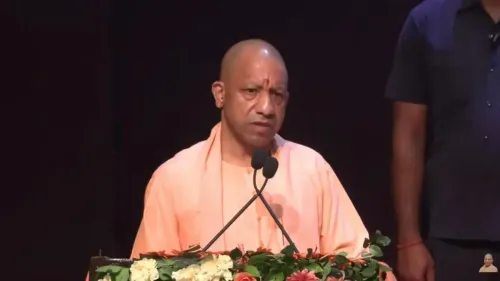
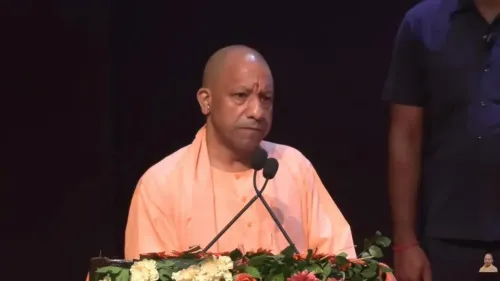
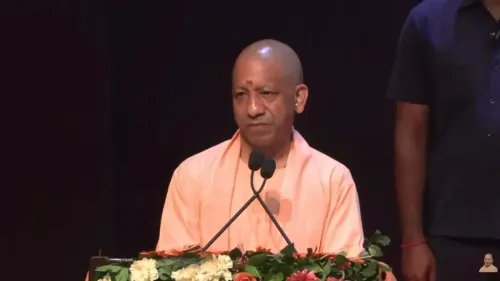
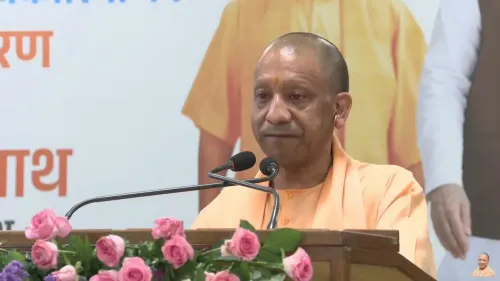
The announcement was made by Chief Minister Yogi Adityanath via the official CM Office UP account on November 16.
India's last completed census was in 2011 , when UP recorded a population of 199,812,341 ; the 2021 round was delayed by the COVID-19 pandemic.
The self-enumeration mechanism reflects a digital-first approach introduced in census planning around 2019.
As India's most populous state at roughly 16% of national population , UP's timely enumeration is critical to the national census exercise.
India's most populous state is finally counting itself. The Chief Minister's Office of Uttar Pradesh announced on Monday, November 16, 2026 that a two-phase population census schedule is now underway — beginning with a self-enumeration window that runs through November 30, 2026, followed by a comprehensive door-to-door survey stretching from December 1, 2026 to January 4, 2027.
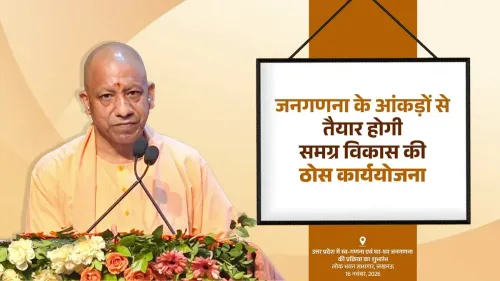
Quoting Chief Minister Yogi Adityanath, the official post stated: 'उत्तर प्रदेश में 16 से 30 नवंबर, 2026 तक स्व-गणना की प्रक्रिया संपन्न होगी।' ('The self-enumeration process in Uttar Pradesh will be completed from November 16 to 30, 2026.') After that phase closes, enumerators will fan out across the state's districts in stages to conduct the house-to-house count.
A Census 15 Years in the Making
The significance of this moment is hard to overstate. India's last completed decennial census was in 2011, when Uttar Pradesh recorded a population of 199,812,341 — making it larger than Brazil. The subsequent round, originally scheduled for 2021, was postponed due to the COVID-19 pandemic and has remained pending ever since, leaving planners, policymakers, and welfare schemes working off data that is now a decade and a half old.
The delay has had real consequences. Constituency delimitation, welfare beneficiary counts, urban planning, school enrolment projections — virtually every data-driven governance exercise in India has been running on aging figures. UP's announcement signals that the machinery is finally moving.
Two Phases, One Goal
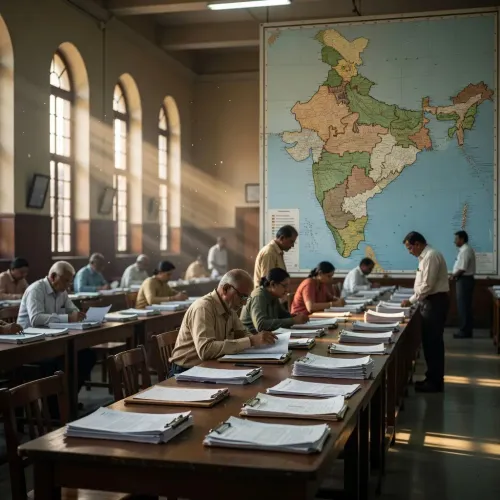
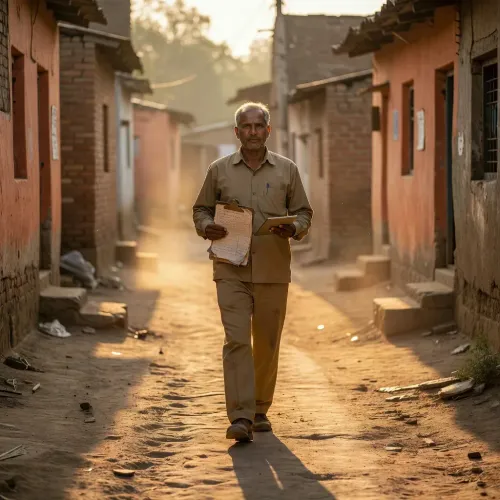
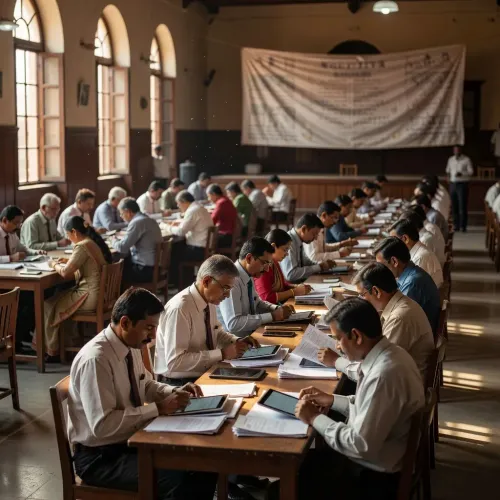
The self-enumeration phase — a digital-first mechanism the Government of India had been developing since around 2019 — allows residents to submit their household details independently before enumerators arrive. This is a structural shift from previous all-manual censuses. For Uttar Pradesh, with its vast rural hinterland and dense urban clusters, the door-to-door phase spanning 35 days across multiple stages will be the logistical centrepiece.
State enumerators and UP's administrative machinery will be central to execution — a formidable task in a state that spans 75 districts and hundreds of tehsils. The coordination with the Office of the Registrar General and Census Commissioner of India will be critical to ensure the data feeds into the national count.
What UP's Count Means for the Nation
Uttar Pradesh alone accounts for roughly 16 percent of India's population. How accurately and swiftly the state completes its enumeration will shape the credibility of the national census. Other states are expected to issue similar preparatory timelines; UP's early announcement could set the tempo. The coming weeks will reveal whether the digital self-count portal sees the uptake planners are hoping for — and whether India's long-overdue demographic reckoning is finally arriving on schedule.
Point of View
UP is positioning itself as a pace-setter in India's long-overdue demographic exercise. The 15-year gap since the last completed census has quietly eroded the evidence base for flagship welfare and infrastructure programmes, making this restart politically consequential. The digital self-enumeration phase also tests the state's e-governance readiness at scale, with UP's 75-district footprint making it the single largest proving ground for the new methodology. How smoothly the transition from self-count to field enumeration proceeds will be closely watched by the Centre and other states calibrating their own timelines.
NationPress
16 Nov 2026
Frequently Asked Questions
When will the census self-enumeration phase happen in Uttar Pradesh?
The self-enumeration phase in Uttar Pradesh runs from November 16 to November 30, 2026 , allowing residents to submit household data independently.
When will the door-to-door census survey take place in UP?
The house-to-house population counting will be conducted in multiple stages from December 1, 2026 to January 4, 2027 .
Why has India's census been delayed since 2011?
India's decennial census, due in 2021 , was postponed primarily due to the COVID-19 pandemic and has remained pending, making 2011 the last completed national count.
What is the self-enumeration process in the census?
Self-enumeration is a digital-first mechanism where households fill in their own demographic details before enumerators visit — a method introduced in India's census planning around 2019.
What was UP's population in the last census?
In the 2011 Census , Uttar Pradesh recorded a population of 199,812,341 , making it India's most populous state and larger than many countries.