CM Yogi transfers ₹493 cr to 9 lakh flood-hit UP farmers
Synopsis
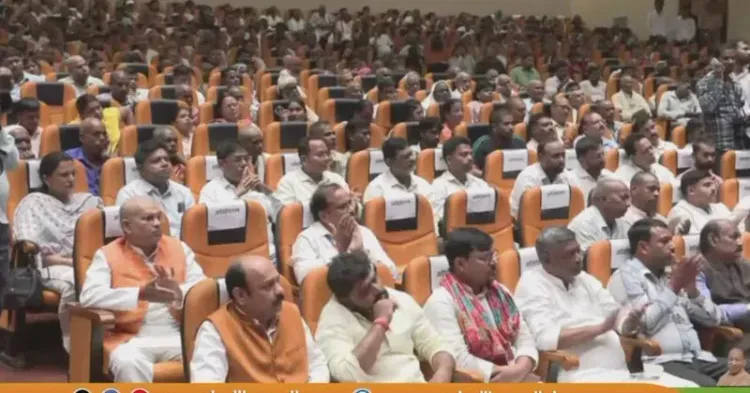
Uttar Pradesh CM Yogi Adityanath disbursed ₹493 crore in agricultural input grants to more than 9 lakh farmers hit by floods, unseasonal rain, hailstorms and cyclones, transferring funds directly via DBT at a programme held in Gorakhpur on October 12, 2026.
Key Takeaways
₹493 crore in agricultural input subsidies disbursed in a single event on October 12, 2026 .
More than 9 lakh (900,000) farmers across Uttar Pradesh are beneficiaries.
Damage was caused by floods, heavy rainfall, hailstorms, and cyclonic weather .
Funds transferred via Direct Benefit Transfer (DBT) , directly into farmers' bank accounts, eliminating intermediaries.
The programme was held in Gorakhpur , seat of the Gorakhnath Math and a key hub for CM Yogi's administration.
The grant — krishi nivesh anudan — is meant to help farmers purchase seeds and inputs to restart the next crop cycle.
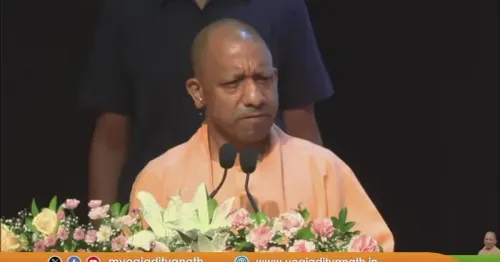
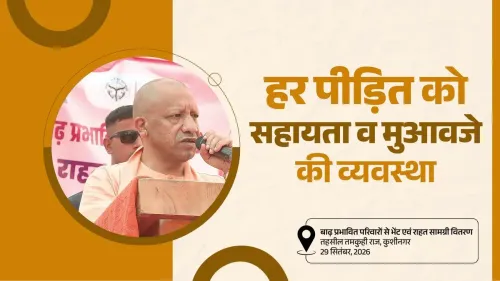
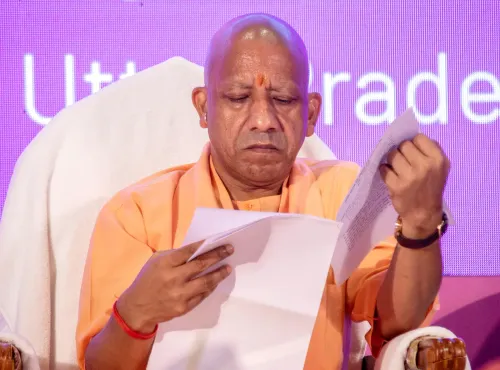
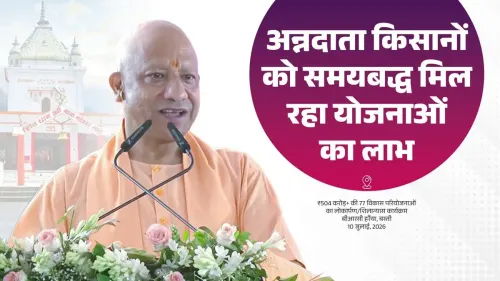
Nearly a million farmers across Uttar Pradesh woke up to direct cash relief on Monday, October 12, 2026 — Uttar Pradesh Chief Minister Yogi Adityanath presided over a programme in Gorakhpur to transfer ₹493 crore in agricultural input subsidies to more than 9 lakh crop-loss-affected farmers via Direct Benefit Transfer, cutting out every middleman between the state treasury and the tiller.
Floods, unseasonal rain and hailstorms — what wiped out the harvest
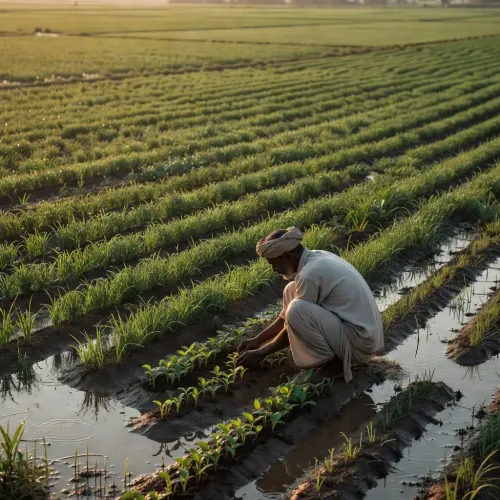
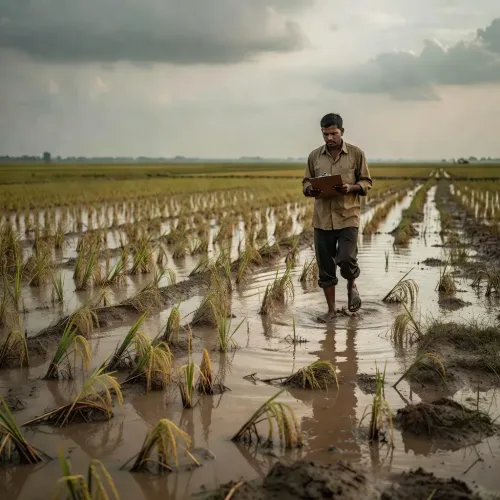
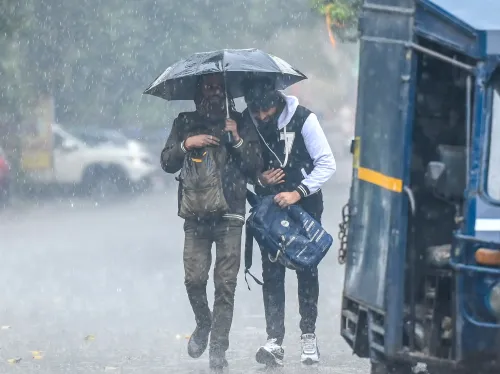
The relief addresses damage caused by a combination of calamities: floods, heavy rainfall (ativrishti), hailstorms (olavrishti), and cyclonic weather. Together, these events battered standing crops across multiple districts of the state, leaving farming households without the income they depend on to fund the next sowing cycle. The agricultural input grant — krishi nivesh anudan — is specifically designed to help farmers buy seeds, fertilisers, and other inputs to restart production after a natural disaster wipes out a season's work.
DBT as the delivery rail: why Gorakhpur hosted the event
The choice of Gorakhpur as the venue is significant. It is the seat of the Gorakhnath Math, the religious institution that CM Yogi heads, and the city is increasingly positioned as the symbolic and administrative nerve centre of his administration's outreach programmes. By routing the disbursement through Direct Benefit Transfer (DBT), the government bypasses the traditional block-level apparatus that has historically been a source of leakage in agrarian relief. The funds land directly in the verified bank accounts of beneficiary farmers, making the transfer auditable and near-instantaneous.
The scale: ₹493 crore for 9 lakh farmers across UP
Spreading ₹493 crore across 9 lakh-plus beneficiaries works out to roughly ₹5,400 per farmer on average — a figure calibrated to cover immediate input costs rather than full crop-value compensation. Uttar Pradesh, with the country's largest rural population and an agrarian economy that feeds much of northern India, routinely faces multi-hazard seasons that compound crop stress. A disbursement of this magnitude in a single event signals the scale of agricultural distress the state absorbed during the recent calamity cycle.
The direct-to-farmer model, now embedded in the state's standard disaster-response playbook, reflects a broader shift in how Indian states handle agrarian relief — speed and traceability over paper-based, multi-layer approval chains. Whether the per-farmer quantum is sufficient to fully bridge the input cost gap will depend on what specific crops were lost and at what stage of the crop cycle the damage struck — details that district-level assessments will eventually surface.
For the farmers waiting on the other side of that bank notification, October 12 marked not a policy moment but a practical one: the money to plant again had arrived.
Point of View
Hosting the event in Gorakhpur reinforces both his personal brand and the city's rising profile as UP's second power centre. The multi-hazard framing (floods, hailstorms, cyclone) also reflects a changing climate-risk calculus that state governments are quietly baking into their relief budgets. The real test, as with all such disbursements, is whether the per-farmer quantum translates into a genuinely planted next season — or merely cushions a loss already taken.
NationPress
12 Oct 2026
Frequently Asked Questions
How much relief did UP give to flood-affected farmers in October 2026?
The Uttar Pradesh government transferred ₹493 crore in agricultural input subsidies to more than 9 lakh crop-loss-affected farmers on October 12, 2026, via Direct Benefit Transfer.
What is krishi nivesh anudan in Uttar Pradesh?
Krishi nivesh anudan (agricultural input grant) is a government subsidy given to farmers who have suffered crop damage due to natural disasters, intended to help them buy seeds, fertilisers, and other inputs for the next sowing cycle.
Why was the UP farmer relief event held in Gorakhpur?
Gorakhpur is the home base of CM Yogi Adityanath and the seat of the Gorakhnath Math; it is increasingly used as a key venue for state government outreach and flagship programme launches.
How does DBT help in delivering farm relief in UP?
Direct Benefit Transfer (DBT) sends money straight into the verified bank accounts of beneficiary farmers, bypassing multi-layer intermediaries that have historically caused delays and leakages in agrarian relief programmes.
Which natural disasters damaged crops in Uttar Pradesh before this relief?
The relief covers crop damage caused by floods, heavy rainfall (ativrishti), hailstorms (olavrishti), and cyclonic weather , all of which struck farming communities across multiple districts of Uttar Pradesh.